 Skip to content

So, you're looking to become a brand ambassador? The good news is, it's less about having a massive follower count and more about making a real connection with a community you've built. It's about creating content that brands genuinely value and then having the confidence to pitch them on your unique worth. For those wondering how can I be a brand ambassador, the answer lies in a strategic, proactive approach.
This guide will give you a no-fluff, real-world roadmap to landing those partnerships. To streamline your journey, platforms like REACH Influencers are invaluable, connecting creators directly with brands actively seeking ambassadors and simplifying the entire process from discovery to payment.
Table of Contents
- Your Realistic Path to Becoming a Brand Ambassador
- Find Your Niche and Build an Engaged Community
- How to Create a Media Kit That Brands Can't Ignore
- How to Find and Pitch Your Dream Brands
- Negotiating Your Contract Like a Professional
- Got Questions About Becoming a Brand Ambassador?
Your Realistic Path to Becoming a Brand Ambassador
Let's clear the air right away: you don't need millions of followers to learn how can I be a brand ambassador. That's an old-school way of thinking. Today, brands are desperately searching for genuine, authentic voices who can speak directly to niche communities. This shift has blown the doors wide open for creators of all sizes, from nano-influencers with under 1,000 followers to well-known personalities.
This isn't just a trend; it's a massive market shift. The influencer marketing industry, which is the engine behind most ambassador programs, exploded from $1.7 billion in 2016 to an estimated $24 billion in 2024. What’s really interesting is that nano and micro-influencers (those with under 10k followers) often land the best deals because their engagement rates can be as high as 8%—miles ahead of what most celebrities can pull.
Moving Beyond Follower Count
So, what do brands actually care about? They want partners who can spark real conversations and build trust. A creator with 5,000 super-engaged followers who are all about sustainable fashion is often way more valuable to the right brand than a general lifestyle account with 100,000 passive viewers.
Your path forward isn't about sitting back and waiting to get noticed. It's about being proactive and positioning yourself as the perfect partner. This means you need to:
- Define your unique brand and niche so you don't just blend into the noise.
- Create consistently high-quality content that proves your expertise and connects with your target audience.
- Actively search for and pitch brands that genuinely align with your values and what your community cares about.
It's a straightforward process when you break it down into these three core stages.

This simple flow is your game plan: a focused niche is your foundation, compelling content is how you build your reputation, and strategic pitching is how you launch your career.
To help you visualize the journey ahead, let's break down the essential components for building a successful career as a brand ambassador. This table gives you a clear roadmap for what's ahead.
The Five Pillars of a Successful Brand Ambassador Career
| Pillar | What It Means for You | Why It Matters for Brands |
|---|---|---|
| Authenticity | Sharing your genuine personality and values. Your audience trusts you because you're real. | Brands get an authentic voice representing them, which builds consumer trust far more effectively than traditional ads. |
| Niche Expertise | Being the go-to person for a specific topic, whether it's vintage clothing, gluten-free cooking, or DIY home repair. | This gives them direct access to a highly targeted, relevant, and engaged audience that's ready to listen. |
| Engagement | Building a real community. You're not just posting; you're having conversations in the comments and DMs. | High engagement proves your audience is loyal and listens to your recommendations, indicating a strong potential ROI. |
| Professionalism | Meeting deadlines, communicating clearly, and delivering high-quality content that meets the campaign brief. | Reliability is everything. Brands need partners they can count on to represent them well and deliver on their promises. |
| Proactive Outreach | Actively seeking out brands that fit your style instead of waiting for them to find you. | This shows initiative and demonstrates you're serious about partnerships, making you an attractive and easy-to-work-with creator. |
By focusing on these five areas, you're not just hoping for success; you're building a sustainable career.
The Power of Proactive Partnership
Instead of just posting and hoping for the best, a strategic approach puts you in the driver's seat. This is where modern tools can be a game-changer. Platforms like REACH Influencers are designed to connect creators like you directly with brands that are actively looking for ambassadors. By building a profile, you become discoverable to companies searching for your specific skills, audience, and engagement metrics, which can seriously fast-track your journey.
The heart of any great brand partnership is alignment. Brands aren't just buying your reach; they're investing in the trust you've built with your community. Your ability to authentically represent a product to an audience that believes in you is your most valuable asset.
Ultimately, becoming a successful brand ambassador starts with building a strong personal brand. For a deeper dive, check out this excellent guide to personal branding on social media. It lays out a solid framework for creating that authentic presence brands are looking for. Now, let's get into the step-by-step process of making it happen.
Find Your Niche and Build an Engaged Community
Before you even start thinking about brand deals, you need an audience that actually trusts you. The road to becoming a brand ambassador doesn't start with a contract; it starts with you, your unique corner of the internet, and a community that genuinely cares about what you have to say. This is the bedrock of every successful partnership.
Your niche isn’t just a broad topic like "travel" or "fitness." It’s your specific take on it. Think "solo budget travel in Southeast Asia" or "at-home CrossFit workouts for busy parents." Getting that specific is what makes you memorable and valuable to a brand.
Why a Laser-Focused Niche Matters to Brands
Brands aren't looking to shout into a crowded room; they want to have a meaningful conversation with the right people. When you have a well-defined niche, you offer them a direct line to a super-engaged, relevant audience.
It's the difference between a vegan protein powder brand working with a general "foodie" versus a creator who only posts plant-based recipes for athletes. That second one? It's a perfect match, and that's what brands are paying for.
This focus is also your secret weapon for getting noticed. On platforms like REACH Influencers, brands don't just search for "influencers." They use detailed filters for audience demographics, interests, and content styles. A sharp niche makes you pop up in those targeted searches, putting your profile right in front of companies looking for someone exactly like you.
How to Pinpoint Your Niche
Finding your sweet spot is all about mixing what you're passionate about with what people are actively searching for. It’s that perfect intersection of your expertise and an audience's needs.
First, just brainstorm. What could you talk about for hours without getting bored? What problems do you genuinely love solving, either for yourself or for friends?
Now, get specific. If you're into skincare, could your niche be "affordable K-beauty for sensitive skin"? If you're a gamer, what about "indie RPG reviews on a budget"? The idea is to carve out a space where you can become the undisputed go-to person.
A powerful niche answers a specific question for a specific group of people. Instead of trying to be everything to everyone, aim to be everything to someone. That’s how you build real influence and loyalty.
Turning That Niche into a Thriving Community
Once you know your niche, the real work begins. It’s time to build a genuine community. This isn't just about racking up followers; it’s about creating real connections. Every piece of content you create should be a gift to this specific audience.
A huge part of this is learning how to leverage platforms like Instagram for visual storytelling and real-time interaction. Get comfortable using features like polls, Q&As, and live streams to spark conversations.
Here are three core ideas for building a loyal following:
- Be Consistent: Show up regularly. Whether it’s daily, three times a week, or once a week, let your audience know when to expect something new from you. A reliable schedule builds habit and keeps you on their radar.
- Provide Value: Every single post should educate, entertain, or inspire. Before you hit "publish," ask yourself, "What is my follower actually getting from this?"
- Engage Back: Don't just post and walk away. Dive into the comments, answer your DMs, and give shout-outs to your followers. Make people feel like they're part of something, not just spectators.
Building a community takes patience and a whole lot of authenticity. You’re trying to create a space where people feel connected to you and to each other. For a deeper dive, check out our guide on how to build an online community that brands will be dying to work with. Ultimately, this engaged audience is the most powerful asset you have.
How to Create a Media Kit That Brands Can't Ignore
Think of your social media feed as the highlight reel—it shows off your creativity and personality. But your media kit? That's your business card, your resume, and your sales pitch all rolled into one. It’s the professional document that proves your value and turns a brand’s casual interest into a serious offer.
A killer media kit does more than just list follower counts; it tells the story behind your numbers. It makes a brand manager’s job a breeze by giving them all the data they need to say, "Yes, we need to work with them." It’s what separates the hobbyists from the pros.
This document is your secret weapon. A brand might find you on an influencer platform like REACH Influencers, love your vibe, and then ask for your media kit to get the full picture. Having one ready to go instantly shows you’re organized, professional, and ready for business.

What Goes Inside a Winning Media Kit?
So, what do you actually put in this thing? Your media kit needs to be visually appealing, easy to scan, and packed with just the right information. Forget stuffing it with every tiny detail—focus on what a marketing manager really cares about.
Here are the non-negotiables:
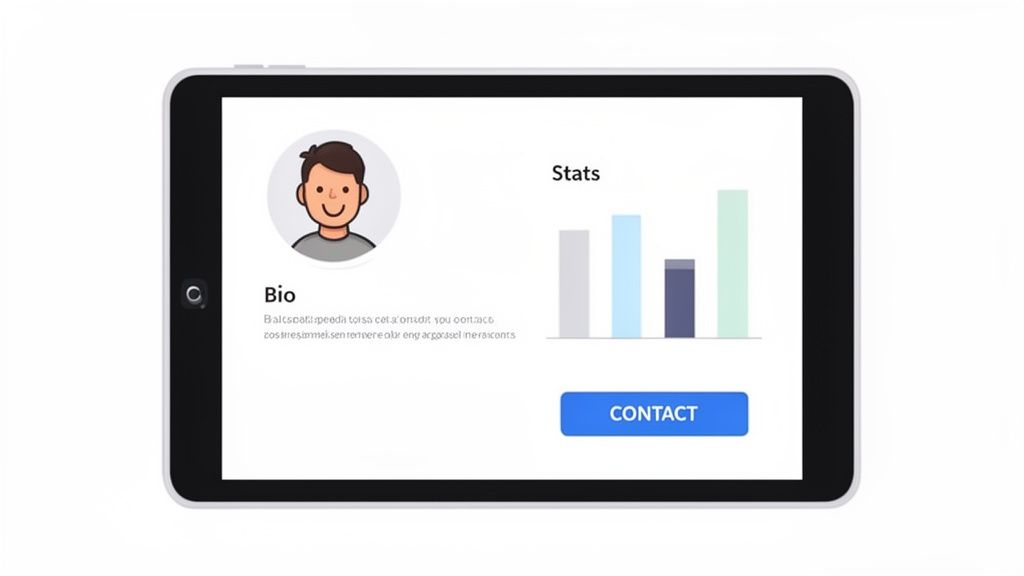
- A Punchy Bio: Start with a short, memorable intro. Who are you? What’s your niche? What’s your mission? This is your chance to hook them in seconds.
- Key Stats (That Actually Matter): This is the data that backs you up. Of course, include your follower counts, but the real star here is your engagement rate. A high engagement rate on a smaller account is often way more valuable than a huge following that doesn't interact.
- Audience Demographics: Brands need to know if your followers are their people. Who are you talking to? Pull the key data—age, gender, top locations—right from your social media analytics.
- Past Work & Testimonials: Show off your track record. Including logos of brands you’ve already partnered with is huge. If you can get a short quote from a happy client, even better. Social proof is gold.
- Services & Rates: Be crystal clear about what you offer and what it costs. List out your packages (e.g., 1 Instagram Reel, 3-Story sequence) and provide a starting rate for each. No one likes guessing games.
When you lay all this out cleanly, you answer all of a brand's initial questions before they even have to ask.
It's Not Just Data, It's a Story
Your media kit shouldn't read like a spreadsheet. You need to frame your data with a compelling narrative.
Instead of just writing "5% engagement rate," try something like this: "My dedicated community of sustainable living enthusiasts consistently drives the conversation, resulting in an average post engagement of 5%." See the difference? You’re not just a number; you're a trusted voice.
For a complete walkthrough with examples and templates, check out our deep-dive guide on crafting a content creator media kit.
Your media kit is your chance to control the narrative. It’s where you translate your passion and community into a business case that a marketing manager can confidently take to their boss.
And now is the time to get serious about it. Nearly 73% of marketers in the US and UK are planning to spend more on brand ambassadors in 2025. According to research from WARC, they're pouring money into creators because of the authentic content and impressive ROI they deliver. A polished media kit is your ticket to getting a piece of that action.
How to Find and Pitch Your Dream Brands
Sitting around and waiting for brands to discover you is a recipe for slow growth. The answer to how can I be a brand ambassador is to go out and make it happen. Once you've got your niche figured out and a sharp media kit ready to go, it's time to connect with brands you genuinely love. This is where you shift from a passive creator to the CEO of your own business.
But don't just start blasting out emails to any company with a marketing budget. The best, most believable partnerships come from a real alignment of values. If your entire platform is built on sustainable living, pitching a fast-fashion brand is going to give your audience whiplash and tank your credibility. Authenticity is your currency—spend it wisely.
Where to Find the Right Brands
Pinpointing brands that are a perfect fit for your audience is actually easier than it sounds. The best place to start? Your own life.
What products and services do you already use and rave about for free? Think about your favorite running shoes, the go-to vegan protein powder in your kitchen, or the editing software you can't live without. These are the warmest leads you'll ever have because your passion for them is 100% real.
To get more strategic, you can turn to specialized tools. Platforms like REACH Influencers were literally built for this. Their discovery features let you filter potential brand partners by industry, company size, and even the types of campaigns they're running. It’s like having a curated list of opportunities delivered right to you.
Here are a few other smart ways to build your prospect list:
- Look at Your Peers: Who are other creators in your space working with? Keep an eye on their sponsored content. This is a goldmine of information—it tells you which brands are actively investing in influencer marketing and are already comfortable working with creators just like you.
- Play the Long Game: Follow the brands you want to work with on social media. But don't just be a lurker. Engage with their posts thoughtfully. Instead of a generic "love this!," leave comments that add to the conversation or showcase your expertise. This gets you on their radar in a natural way, long before you slide into their DMs.
- Network, Network, Network: Whether it's a virtual summit or an in-person trade show, industry events are fantastic for making real connections. You can often chat directly with the marketing managers and brand reps who have the power to hire you.
Crafting a Pitch That Actually Gets a Response
Okay, you’ve got your list of dream brands. Now what? It's time to reach out. The goal of that first email or DM isn't to land a six-figure contract on the spot; it's simply to start a conversation.
A generic, copy-pasted message begging for free stuff is the fastest ticket to the trash folder. You have to make it personal. Your pitch needs to be concise, respectful, and completely focused on the value you can bring to them.
Show them you’ve done your homework. Reference a specific campaign they recently launched that you admired, or talk about a new product you’re excited about. This instantly proves you're a genuine fan, not just another creator blasting out a template.
A great pitch isn't about what you want; it's about what you can offer. Frame your outreach around a specific, creative idea that shows you understand their brand and can help them achieve their marketing goals.
To help you get started, here's a simple framework for putting together a pitch email that brand managers will actually read.
Crafting the Perfect Brand Pitch Email
Follow this structure to build a compelling outreach email that grabs attention and gets a positive response from brand managers.
| Email Section | What to Include | Example Snippet |
|---|---|---|
| Catchy Subject Line | Be clear, intriguing, and professional. Mention a specific idea. | Collaboration Idea: Your New Eco-Friendly Line + [Your Handle] |
| Personalized Opener | Prove you're a real fan. Reference a specific product or campaign. | I've been a huge fan of your compostable coffee pods for months and loved your recent Earth Day campaign… |
| Your Value Proposition | Briefly introduce yourself, your audience, and a key stat like engagement. | …My community of 5,000 eco-conscious millennials trusts my recommendations (avg. 6% engagement)… |
| The Big Idea | Pitch a specific, creative idea. Show them you've put thought into it. | …I have an idea for a 3-part Instagram Reel series showing how to create a zero-waste morning routine featuring your pods. |
| Clear Call to Action | Tell them the next step. Suggest a brief call to discuss your idea. | Would you be open to a quick 15-minute chat next week to explore this further? My media kit is attached. |
Don't forget the final touch: always attach your media kit. It’s the professional proof that backs up your claims and shows you’re serious about your business.
And if you don’t hear back right away, don't panic. A polite and friendly follow-up email after about a week is totally fine. Just remember to stay persistent, but always professional.
Negotiating Your Contract Like a Professional
Getting that "yes" from a brand feels amazing, but that’s when the real work starts. Now it’s time to negotiate, and this is where you shift from being a creator to being a business partner. This is your chance to make sure the deal is fair, mutually beneficial, and sets you up for a great long-term relationship.
A lot of creators get spooked by contracts, but don't be. Think of a contract as a simple roadmap for the partnership. When you understand the key pieces, you can advocate for yourself and build a much stronger, more respectful relationship with the brand right from the start. This is also where platforms like REACH Influencers can be a huge help, since they often use standard agreements and handle all the contract and payment details for you. That leaves you free to focus on what you do best: creating.
Key Contract Terms You Must Understand
Before you even think about signing, you need to speak the language of brand contracts. These are the most common terms you’ll run into, and they matter—a lot. Don’t just skim them; read every word.
-
Deliverables: This is the "what" of your deal. It lists the exact content you need to create (e.g., one Instagram Reel, three static posts, five stories). It should be crystal clear, spelling out the platforms, formats, and any required tags or links.
-
Content Usage Rights: This one is huge. It dictates how the brand can use your content after you post it. Can they share it on their own social media? Use it in paid ads? Feature it on their website? The more rights they want, the more value they’re getting, and your pay should reflect that.
-
Exclusivity: This clause means you can't work with a brand's competitors for a set amount of time. For instance, if a skincare brand wants exclusivity, you might not be able to promote another skincare line for 90 days. Since this limits your ability to earn from other brands, it should always come with a bigger paycheck.
-
Compensation and Payment Terms: This part covers how much you get paid, how you’ll get it, and when. Will you be paid upfront, after content is approved, or 30-60 days after the campaign ends (Net 30/Net 60)? Getting this clear from the beginning saves you from chasing payments later.
Getting a handle on these terms is your first step. For a much deeper dive, our guide to the essential components of an influencer agreement contract is required reading.
How to Discuss Rates with Confidence
Talking money can feel awkward, but it's just business. Your rate isn't just about your follower count; it’s about the total value you bring to the table. Factor in your engagement rate, audience demographics, unique expertise, and the professional quality of your work.
Don't be afraid to state your rate clearly and justify it based on past results and industry standards. Confidence in your value is professional, not pushy. Remember, negotiation is a conversation, not a confrontation.
The brand ambassador tools market is projected to hit $693.4 million in 2025, largely because these platforms help creators prove their worth with hard data. Brands are getting used to paying for quality partnerships. In fact, earnings can run from $320 per 1,000 likes on smaller deals to over $2,700 for a six-month contract. It just goes to show how wide the spectrum of opportunity really is.
Managing the Partnership Professionally
Once the ink is dry, your professionalism is what will turn this one-off campaign into a lasting partnership.
First, dig into the creative brief. Ask questions upfront to make sure you and the brand are on the exact same page. It’s way easier to fix a misunderstanding before you’ve already created the content.
Next, hit your deadlines. Every time. If something comes up and you need an extension, let the brand know as early as possible and give them a new, realistic timeline. Brands value reliability just as much as creativity.
Finally, when the campaign is over, send a simple wrap-up report. Share key metrics like reach, engagement, link clicks, and some of the best audience comments. This little bit of follow-up shows them the ROI you delivered and makes it a no-brainer for them to hire you again.
Got Questions About Becoming a Brand Ambassador?
As you start getting serious about landing that first brand deal, a few practical questions are bound to pop up. Everyone asks them. Let’s get you some straight answers so you can move forward with confidence.
Do I Need a Huge Following to Get Started?
Honestly? No, you really don't. The game has changed.
These days, brands are far more interested in high engagement rates than they are in massive (but mostly silent) follower counts. A smaller, dedicated community that actually listens to you and trusts what you say is pure gold for a brand.
This is exactly why micro-influencers are so sought after right now. A tight-knit audience is often a much better investment for a business.
How Much Money Should I Ask For?
This is the million-dollar question, and the answer is: it depends. Your rates will swing based on your niche, how engaged your audience is, and what the brand is actually asking you to do.
Do some homework to see what the standard rates are in your field, but please, don't sell yourself short.
Things that should always push your price up include:
- The number of posts or videos required
- How long the brand can use your content (usage rights)
- Any agreement that says you can't work with their competitors (exclusivity)
A good starting point is to figure out a baseline rate based on your average engagement, then adjust from there.
Is It Okay to Work with More Than One Brand?
Absolutely, as long as you're smart about it. You can definitely be an ambassador for several brands at once, provided they aren't direct competitors. Imagine promoting Coke and Pepsi at the same time—it just wouldn't work.
Transparency is everything. Be upfront and crystal clear about your partnerships. It's also crucial that every collaboration feels true to your personal brand; your audience's trust is your most valuable asset.
One last thing: always, always read your contracts for any exclusivity clauses. Some brands will restrict you from working with others in their industry for a certain period.
The biggest mistake I see new ambassadors make is saying yes to every offer that lands in their inbox. It’s exciting, I get it, but partnering with brands that don’t fit your vibe will tank your credibility fast. Be picky. Be authentic.
This guide has shown you how can I be a brand ambassador by building a strong niche, creating valuable content, and pitching professionally. The next step is to put these strategies into action. Ready to find brands that are actively looking for creators just like you? REACH Influencers is a platform designed to help you build your profile, get noticed, and manage your partnerships all in one place. Sign up today and start building your brand ambassador career.