 Skip to content

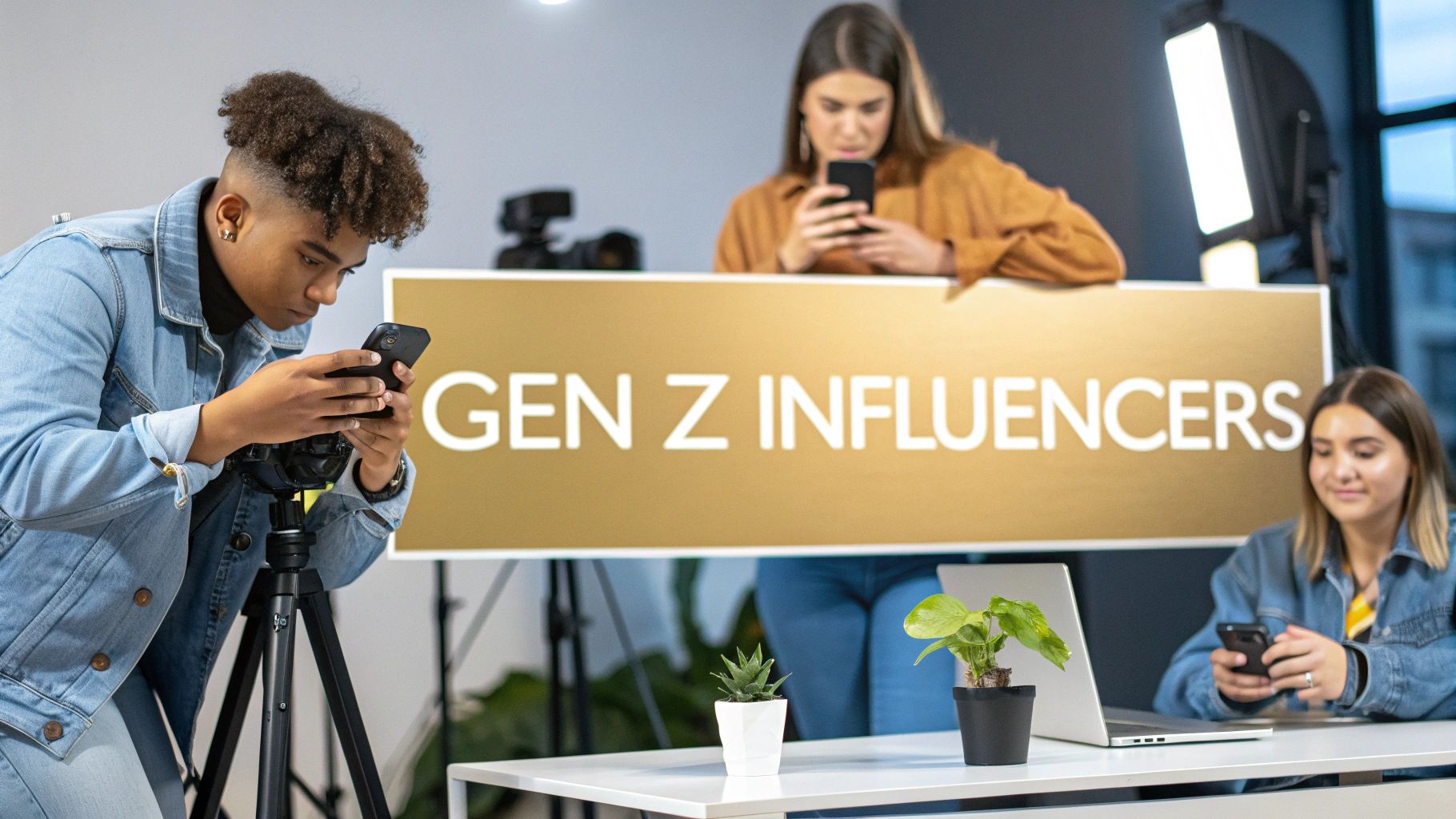
Gen Z influencers aren't just another flavor of content creator. They're true digital natives who have grown up with the internet in their pocket, and it shows. They don’t just post content; they build entire communities around authenticity and shared values, making them feel more like trusted friends than distant advertisers.
Getting Inside the Gen Z Influencer's Head

To really get what makes Gen Z influencers tick, you have to look past the follower counts and engagement rates. Their whole game is different from the highly curated, picture-perfect content that defined the Millennial influencer era.
Think of it this way: the classic Millennial influencer aesthetic was like a glossy magazine cover—perfectly staged, beautifully lit, and completely flawless. Gen Z’s approach, on the other hand, is more like a FaceTime call with your best friend. It’s spontaneous, a little messy, and totally real.
This isn't just a stylistic choice; it comes from a deep-seated set of values that puts honesty and social awareness front and center. These creators aren't just pushing products. They're building relationships based on trust, creating what experts call "parasocial relationships," where followers feel a real, personal connection. That bond is so powerful that many in Gen Z see their favorite influencers on the same level as their actual friends.
Trading Aspiration for Relatability
What's fueling this change? A massive craving for content that actually looks and feels like real life. Gen Z creators have completely shifted the focus from aspiration to relatability.
Instead of flexing an impossibly perfect lifestyle, they’re sharing their real daily routines, opening up about their struggles, and geeking out over their genuine passions. This unfiltered approach makes their recommendations feel less like a sales pitch and more like a hot tip from someone you trust.
This community-first mindset is held up by a few key pillars:
- Real Stories: They tell personal stories—the good, the bad, and the ugly. This is what creates that deep, human connection with their audience.
- Shared Values: A huge chunk of Gen Z expects brands (and by extension, influencers) to take a stand on social issues. Creators who champion causes like sustainability or social justice tend to build incredibly loyal followings.
- Creator-Driven Ideas: Forget rigid scripts and over-produced ad reads. The best brand collaborations give Gen Z influencers the freedom to weave a product into their content in a way that feels natural to them and their audience.
The big takeaway here is that Gen Z doesn't want to be sold to; they want to be connected with. They follow people, not just brands, and trust is the only currency that matters.
The Magic of Niche Communities
This obsession with authenticity has led to the rise of countless micro-influencers who hold sway over smaller, hyper-engaged communities. A creator who focuses entirely on sustainable thrifting or retro gaming can build a far more dedicated following than a generic lifestyle influencer ever could.
For brands, this changes everything. Partnering with the right creator isn't about blasting your message to millions anymore. It's about having a meaningful conversation with the right few thousand. This shift from one-way broadcasting to community-based dialogue is the secret to building powerful partnerships with this new generation of creators.
How Gen Z Actually Consumes Influencer Content
If you want to connect with Gen Z, you have to speak their language. And for them, content isn't a one-way street—it's a full-blown conversation. They aren’t just passively watching videos; they're jumping on trends, remixing audio, and turning comment sections into chaotic, hilarious community hangouts.
Unlike older generations who followed polished, untouchable celebrities, Gen Z wants creators who feel like friends. This completely changes the game. Think of their media feed less like a TV broadcast they tune into and more like a massive group chat they’re helping to create.
It’s All About Being Real
Gen Z has a built-in radar for anything that feels fake. They can sniff out a forced brand deal or a stiff, scripted ad from a mile away, and the second they do, that trust is broken. This is why being relatable is the absolute most important thing for a Generation Z influencer.
They’re drawn to content that looks and feels like their own lives: a little messy, totally unfiltered, and completely genuine. A creator filming a "get ready with me" video while stressing about a final exam hits way harder than a perfect, glossy photoshoot. That demand for realness isn't just a preference; it's the price of admission.
The bottom line is this: Gen Z trusts creators who feel like friends, not famous people they can’t relate to. This simple fact rewrites the entire playbook for brands trying to earn their attention.
And that trust directly translates to sales. A whopping 52% of Gen Z say they depend on influencers for advice on what to buy, and they're 56% more likely to actually try a product a favorite creator recommends. It’s clear that their social feeds and shopping habits are completely intertwined. You can dig deeper into Gen Z's influencer-driven purchasing habits to see just how powerful this connection is.
Quick Hits and Instant Gratification
Short-form video is the main event. Platforms like TikTok have basically rewired an entire generation's brain to expect content that's fast, entertaining, and gets to the point immediately. Whether the payoff is a laugh, a life hack, or a new idea, it has to happen in seconds.
This doesn't mean they have short attention spans. It means they have an incredibly effective filter for what’s worth their time. To make the cut, a video almost always needs:
- A Killer Hook: The first three seconds are everything. You have to give them a reason to stop scrolling.
- A Relatable Vibe: Content that mirrors everyday life just works better.
- A Clear Takeaway: Viewers want quick tips, tutorials, or insights they can use right away.
For brands, this means your campaign needs to feel like part of the conversation, not an annoying commercial that interrupts it. The secret is to let creators weave your product into their world, their way. That’s how you keep the authentic vibe their audience not only expects but demands.
Where to Find Gen Z Influencers and Their Audiences
To run a successful influencer campaign, you have to know where your audience actually lives online. It's easy to think Gen Z is everywhere at once, but the reality is their attention is highly focused on a handful of key platforms. Each one plays a totally different role in their digital life.
If you want to connect with Generation Z influencers, you can't just expect them to come to you—you have to meet them on their home turf.
The digital world for this generation is constantly moving, but there are some clear winners. New data shows that a massive 94% of Gen Z are active on at least one social media platform every single day. These channels aren't just for entertainment; they're woven into their identity and how they communicate.
TikTok has pretty much cemented its spot at the top. Over 83% of Gen Z jump on the app daily, with YouTube right behind at 78%. For brands, this sends a clear message: a multi-platform strategy isn’t just a nice-to-have, it's a necessity.
This image gives you a great visual breakdown of where this generation spends its time and energy.
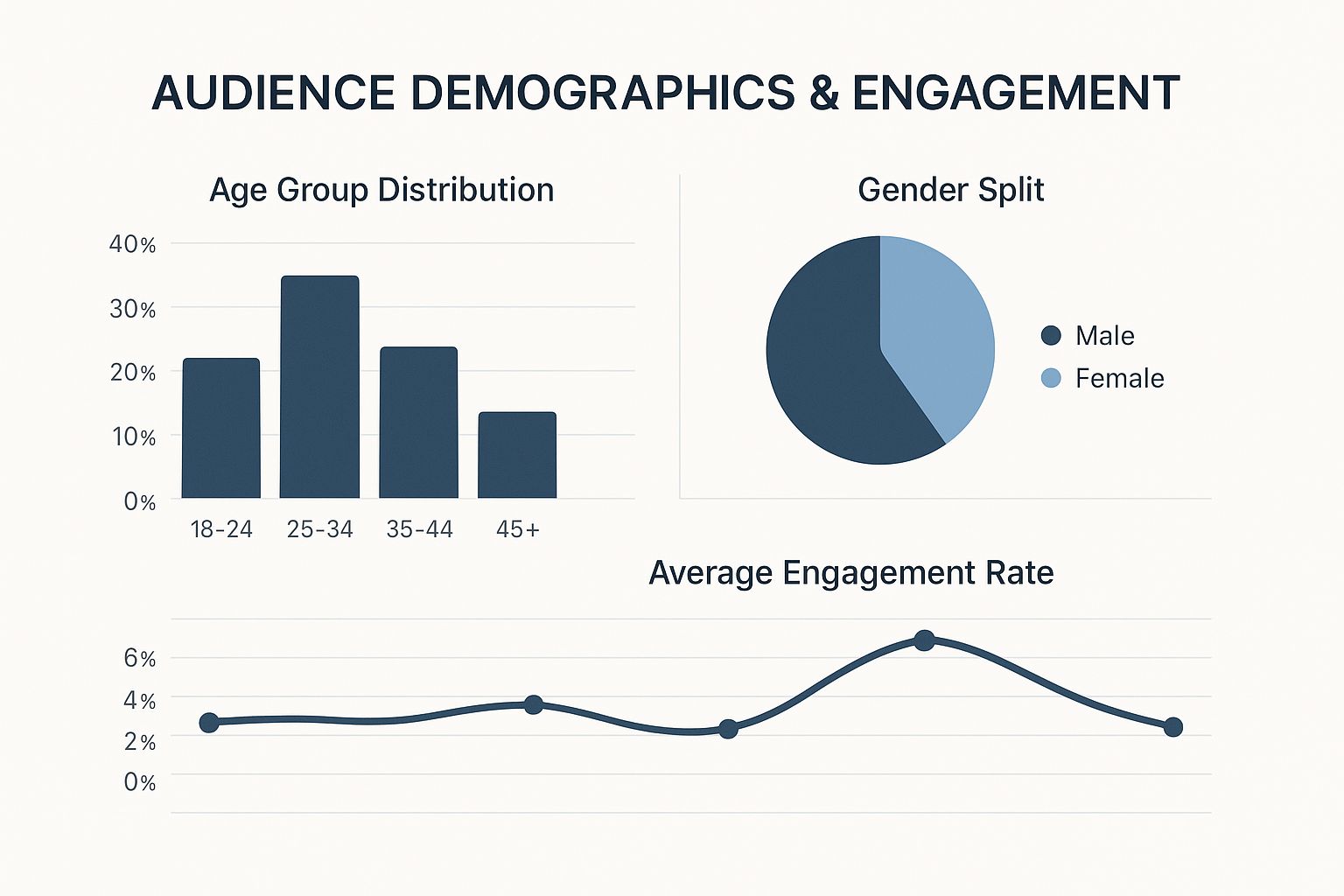
As you can see, it's not just about which platform is the most popular. It’s about understanding the specific demographics and engagement habits that make each one unique.
Gen Z Platform Engagement Snapshot
Let's break down where Gen Z is spending their time and what kind of content pulls them in. The table below offers a quick look at the top platforms, highlighting how daily usage patterns and content styles differ.
| Platform | Daily Usage (% of Gen Z) | Key Content Format | Influencer Focus |
|---|---|---|---|
| TikTok | 83% | Short-form video, viral trends | Trendsetters, relatable creators |
| YouTube | 78% | Long-form video, vlogs, tutorials | Deep storytelling, niche experts |
| 65% | Highly visual stories, Reels, carousels | Aspirational content, aesthetics | |
| Snapchat | 52% | Ephemeral messages, short video clips | Close-friend circles, behind-the-scenes |
This data paints a clear picture: while TikTok is the undisputed king of daily check-ins, YouTube and Instagram are still powerhouses for different types of engagement.
TikTok: The Undisputed Leader
TikTok is the heartbeat of Gen Z culture. It’s less of a social network and more of a launchpad for creators and trends. Its algorithm is a discovery engine, meaning an influencer can go from zero to viral literally overnight, even without a huge existing following. If you're serious about engaging this audience where they're most active, it helps to know how the machine works. You can even delve into the TikTok API to get a technical look at how data drives these interactions.
The platform thrives on its fast-paced, trend-first environment. Content that wins here is:
- Highly Authentic: Forget polished, corporate ads. Raw, relatable, user-generated-style content is what connects.
- Sound-Driven: Trending audio clips aren't just background noise; they're a core part of the content and a powerful tool for getting discovered.
- Community-Focused: Features like Duets, Stitches, and a lively comments section create a culture where everyone participates.
It's no surprise that 74% of Gen Z prefer following micro-influencers. They feel more like real people than distant celebrities.
The core takeaway is that each platform serves a different function. TikTok is for discovery and rapid trend cycles, while other platforms foster deeper, long-term community connections. Brands must tailor their strategy accordingly.
YouTube and Instagram: The Long Game
While TikTok is all about capturing immediate attention, YouTube is where deeper connections are built. It's still the go-to destination for long-form content. Gen Z heads to YouTube for in-depth tutorials, honest product reviews, and vlogs that give them a more personal window into a creator's world. This makes it the perfect place for partnerships that need more room for storytelling.
And what about Instagram? While its daily usage among Gen Z isn't quite at TikTok's level, it remains a critical part of the ecosystem. It functions as a creator's digital portfolio, ideal for visual storytelling and a seamless path to purchase with its shopping features. Digging into the nuances of https://reach-influencers.com/influencer-audience-demographics/ is key to figuring out which platform mix will hit your campaign goals.
The Real Economic Impact of Gen Z Influence

The influence of Generation Z creators isn't just about shaping trends or racking up followers; it translates directly into serious economic power. This generation doesn't just watch content—they shop through it. For them, social feeds have become the new digital mall.
This whole dynamic signals a fundamental shift away from old-school advertising and into a creator-driven economy. Instead of seeing products in a magazine or TV commercial, Gen Z looks to creators they trust to curate their world. When an influencer they feel a real connection with recommends something, it lands like a tip from a good friend, not a sales pitch.
And that trust has a real financial impact. The economic muscle of this group is massive, with their spending power in the U.S. alone valued at $860 billion. Globally, that number is projected to balloon to $12 trillion by 2030. Social commerce is the engine behind this growth; 52% of Gen Z adults have purchased products directly on social media, a figure that leaves older generations in the dust.
Unlocking Direct Revenue Streams
For brands, this creates a clear, straight line to revenue. Working with Generation Z influencers isn't just an awareness play anymore; these partnerships are legitimate sales channels. The trick is to see these creators for what they are: not just billboards, but monetization experts who have built businesses around their personal brands.
They've gotten incredibly savvy at building entire economies around their content. Common income streams include:
- Affiliate Marketing Links: Creators get a cut of every sale made through their unique links, giving brands a perfectly trackable return on their investment.
- Exclusive Merchandise Lines: Many influencers launch their own merch or product lines, turning their community's loyalty into direct-to-consumer sales.
- Digital Products and Subscriptions: From members-only content to online courses, creators are building businesses that go way beyond a simple sponsored post.
For creators wanting to branch out, exploring different platforms is key, as shown in guides on alternatives to Patreon for creators.
The takeaway is simple: a Gen Z influencer strategy isn't optional anymore. It's a core driver of revenue where finding a product and buying it happen in the exact same place—the platforms their audience already lives on.
Proving the Value of Creator Collaborations
The best part? The success of these partnerships is backed by cold, hard data. By using unique discount codes, custom landing pages, and UTM-tracked links, brands can tie sales directly back to specific influencer campaigns.
This gives you a crystal-clear picture of what's working, helping you allocate your budget smarter and fine-tune your strategy. For a deeper dive into the nuts and bolts, check out our guide on https://reach-influencers.com/measuring-influencer-marketing-roi/.
At the end of the day, collaborating with Generation Z influencers just makes good business sense. It connects you to a powerful economic force, builds on authentic peer-to-peer trust, and delivers a measurable impact on your bottom line.
Building an Effective Influencer Marketing Strategy
Working with Generation Z influencers isn't about giving orders; it's about building a true partnership. This generation can spot a disingenuous ad from a mile away, so your old marketing playbook won't work here. The real goal is to co-create content that fits so seamlessly into their feed that it feels like a natural part of the conversation, not a jarring interruption.
The first step? Find creators whose personal values actually line up with your brand's mission. Don't just look at their niche. For example, if you're an eco-friendly clothing line, partnering with a creator who is genuinely passionate about sustainable living will resonate far more deeply than collaborating with a generic fashion influencer who has a bigger follower count.
Identifying and Vetting the Right Partners
Finding the right person means looking way past surface-level numbers. That massive follower count doesn't mean much if their audience isn't paying attention. You need to dig into the quality of their engagement. Are people in the comments having real conversations, or is it just a sea of emojis and spam bots? Real interaction is a tell-tale sign of a dedicated and trusting community.
As you build your shortlist, keep these points in mind:
- Audience Alignment: Does their follower base look like your ideal customer? Make sure you're not just shouting into the void.
- Content Authenticity: Their personal brand should feel consistent and, well, real. If their content feels forced, any collaboration will too.
- Engagement Quality: Look for those genuine conversations and shares. That’s where the real influence lies.
Once you’ve found a few promising creators, your outreach needs to be just as authentic as you expect them to be. Ditch the generic, copy-and-paste templates. Mention a specific video or post of theirs you genuinely liked and explain why you think a partnership would be a fantastic match for their community.
Structuring a Successful Collaboration
Think of this as a creative team-up. The best partnerships are built on clear communication and mutual respect. You need to give influencers creative freedom. Sure, provide them with a brief that outlines the key messages and campaign goals, but then step back and let them figure out the best way to talk to their audience.
The most effective Gen Z campaigns feel like a trusted recommendation from a friend. This only happens when brands trust creators to speak in their own voice and connect with their audience on their own terms.
To make sure everyone is on the same page, it's always smart to have a clear and fair agreement in place. Using professional brand collaboration agreements protects both you and the creator, setting clear expectations from the start.
Gen Z Influencer Collaboration Checklist
Partnering with a Gen Z influencer requires a thoughtful approach. This checklist breaks down the process from discovery to analysis, helping you build authentic and effective collaborations.
| Phase | Key Action | What to Look For |
|---|---|---|
| 1. Discovery & Research | Identify potential partners beyond follower counts. | Authentic content style, high-quality engagement (comments, shares), and a clear values match with your brand. |
| 2. Vetting & Outreach | Analyze audience demographics and content performance. | Audience data that aligns with your target customer. Reach out with a personalized message showing you've done your homework. |
| 3. Briefing & Creative Freedom | Provide a clear brief with key messages and goals. | A flexible framework that allows the creator to use their own voice and style. Avoid overly restrictive scripts. |
| 4. Agreement & Compensation | Formalize the partnership with a clear contract. | Fair compensation, transparent deliverables, usage rights, and clear deadlines. |
| 5. Performance Measurement | Track metrics beyond simple likes and views. | Community growth, audience sentiment, and conversions (using unique codes or links). Look for long-term impact. |
By following these steps, you move beyond simple one-off posts and start building genuine, long-term relationships that deliver real results.
And when it's time to measure success, you have to look past the vanity metrics. Likes and views are nice, but they don't tell the whole story. Focus on what really matters: community growth, audience sentiment, and actual conversions tracked with unique promo codes or affiliate links.
For a deeper dive, check out our complete guide to building an effective influencer marketing strategy. This approach is how you turn a single campaign into a lasting, valuable brand relationship.
Common Mistakes to Avoid in Gen Z Marketing
Trying to connect with Gen Z influencers can feel like walking through a minefield. One wrong step, and your brand's credibility can evaporate in an instant. The single biggest mistake I see brands make? Trying to control the creative process too tightly, which strangles the very authenticity that makes these partnerships valuable.
When you hand a creator a rigid script or a perfectly polished concept, you’re basically asking them to be a human billboard. Gen Z can spot that a mile away and will scroll right past it. This generation doesn't connect with old-school advertising; they connect with real people they trust.
Another huge blunder is completely missing the memo on platform culture. What kills it on Instagram will almost certainly flop on TikTok. That beautifully produced, aesthetic ad might work wonders in an Instagram Story, but it will stick out like a sore thumb on TikTok’s chaotic, trend-heavy "For You Page."
Overlooking Authenticity and Sincerity
At the heart of every great Gen Z campaign is a real, genuine connection. It's a massive mistake to chase a high follower count while ignoring whether the influencer actually aligns with your brand. Partnering with a mega-influencer who has zero organic interest in your product is the perfect recipe for a campaign that feels empty and purely transactional.
Gen Z doesn't just see through inauthentic marketing—they actively resent it. They expect brands to stand for something, and they hold creators to that same standard. A partnership that feels like a simple cash grab erodes trust in both the brand and the influencer.
To sidestep these issues, you have to shift your thinking from dictating the content to co-creating it. Your goal should be to build actual relationships with creators who are already genuine fans of what you're doing.
Here’s how that plays out in the real world:
-
Mistake: Handing a creator a word-for-word script for their TikTok video.
-
Solution: Give them a few key talking points and let them weave those ideas into their own unique style. Trust their expertise.
-
Mistake: Taking a polished Instagram ad and just reposting it on TikTok.
-
Solution: Work with a creator who lives and breathes TikTok to make something that feels native to the platform—using the right sounds, trends, and that raw, unfiltered energy.
By avoiding these common traps, you can make sure your message lands as a legitimate recommendation from a trusted voice, not just another ad cluttering their feed.
Frequently Asked Questions
Still have some questions about working with Generation Z influencers? Let's clear up a few of the most common things marketers ask. Think of this as a quick guide to help you build out your strategy with a bit more confidence.
How Do I Find Authentic Gen Z Influencers for My Niche?
You have to dig deeper than just searching hashtags. A great place to start is finding creators who are already genuinely into your product category, even if they’ve never heard of your brand.
One of my favorite tricks? Go into the comment sections of the big-name creators in your space. That's where you'll often find up-and-coming micro-influencers whose communities are super active and tight-knit.
Look for someone whose personal style and values actually feel like a natural extension of your brand.
You're looking for a partner, not just a walking advertisement. The real sign of influence isn't just follower count—it's consistent, quality conversations and an audience that genuinely cares.
And of course, use a good analytics tool to double-check that their audience demographics line up with who you’re trying to reach.
What Is the Difference Between a Micro-Influencer and a Nano-Influencer?
It really just boils down to the size and feel of their audience.
- Micro-Influencers: These creators usually have somewhere between 10,000 and 100,000 followers. They're often viewed as the go-to experts in their niche, and their followers really trust what they have to say.
- Nano-Influencers: This group is smaller, typically in the 1,000 to 10,000 follower range. Their real strength is the incredibly personal connection they have with their audience, which is often made up of friends, family, and people in their local community.
When you're marketing to Gen Z, nano-influencers can be pure gold. Their recommendations feel less like an ad and more like a tip from a trusted friend, making them perfect for campaigns that need that authentic, word-of-mouth buzz.
How Should I Measure the ROI of a Gen Z Influencer Campaign?
You can't just look at sales figures. For direct, bottom-line results, you'll want to track conversions with the usual tools: unique discount codes, custom affiliate links, and UTM parameters. That’s the easy part.
But don't ignore the metrics that show you're actually building a relationship with this audience. Pay close attention to things like saves, shares, and the general feeling of the comments—is the content actually connecting with people?
Also, keep an eye on how many people are using your branded hashtag or creating their own content inspired by the campaign. That kind of user-generated content (UGC) is a sign of deep community buy-in. The most successful campaigns always show a healthy mix of hard sales data and these softer signs of brand love.
Ready to find and manage the perfect Generation Z influencers for your next campaign? REACH gives you the tools to discover authentic partners, keep your campaigns running smoothly, and track the results that matter. Learn more at https://reach-influencers.com.