 Skip to content

Finding the right Amazon influencers really comes down to three main paths: digging through Amazon's own tools like their influencer storefronts, using a specialized third-party platform for a more data-heavy approach, or rolling up your sleeves for some good old-fashioned manual outreach on social media. If you get comfortable with all three, you'll be able to find creators who can give your brand a genuine boost in credibility and sales.
Why Amazon Influencers Are a Game Changer for Brands
Let's be honest, standing out on Amazon is tough. You can throw money at ads, but ads often miss the key ingredient that shoppers are looking for today: authentic trust. This is exactly where Amazon influencers shine. They're not just another marketing channel; they're a powerful source of social proof.
When a creator features your product on their personal Amazon Storefront or talks about it during a livestream, it’s not just an ad—it’s a personal recommendation to an audience that already trusts them. This kind of direct endorsement slices right through the clutter of typical advertising. Instead of a brand shouting about how great its product is, a trusted person is showing them. That simple shift from "selling" to "sharing" builds instant credibility and closes the sale. The whole system is built to make that journey from discovery to checkout as seamless as possible.
The Power of Social Proof in E-commerce
The results from these creator partnerships aren't just fluff; they're significant and you can measure them. Campaigns led by influencers have a massive impact on how people shop on the platform.
Consider this: a staggering 94% of social media users in the United States who bought something based on an influencer's recommendation made that purchase on Amazon. That's a direct line from endorsement to sale. Another study found that 59% of users have purchased a product after seeing a creator use it. If you want to dive deeper into why these partnerships work so well, you can learn more about the core benefits of influencer marketing.
To give you a clearer picture, this chart breaks down some of the key numbers behind the Amazon Influencer Program.
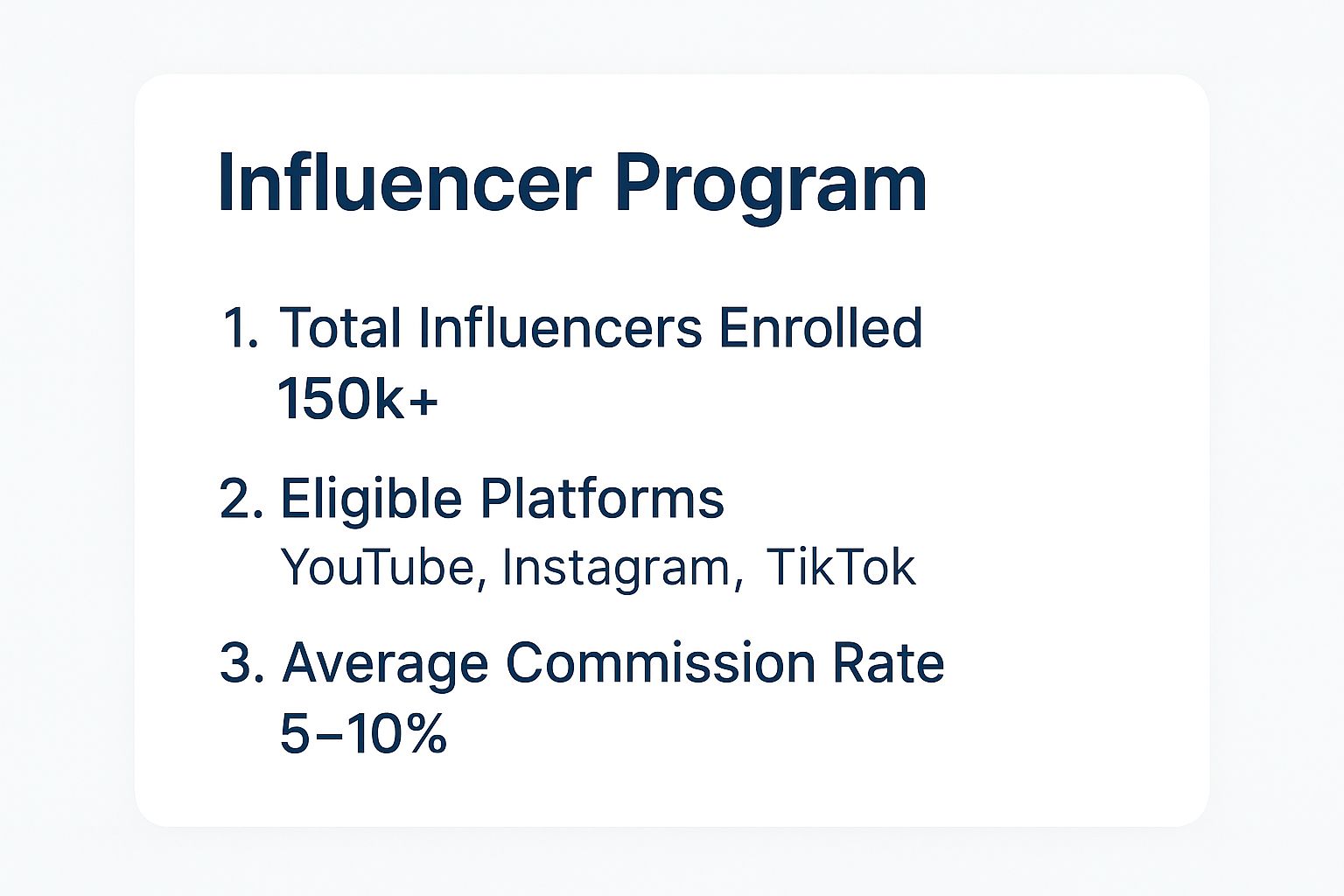
As you can see, with over 150,000 creators enrolled and a performance-based commission model, it's a thriving ecosystem that works for both brands and influencers.
By partnering with the right creators, brands can tap into an authentic, high-converting sales channel that builds lasting customer trust. It’s less about a one-time promotion and more about integrating your product into a lifestyle that consumers already admire and follow.
Diving into Amazon's Own Toolkit to Find Influencers
You don't always need to start your search on Instagram or TikTok. Some of the most effective partners are already playing in Amazon's sandbox. The platform has its own surprisingly powerful ecosystem for finding creators who are already pros at driving sales right where it matters most.
By tapping into these native tools, you connect with influencers who get the Amazon environment inside and out. They're not just familiar with it; they're actively building their brand there.
The best place to kick things off? The Amazon Influencer Program storefronts. These are custom pages where influencers curate and showcase their favorite products. Think of it as their personal, hand-picked shop on Amazon, giving you a direct look into their niche and style.
How to Navigate Influencer Storefronts
Finding these storefronts is easier than you might think. You can start by searching Amazon for your niche keywords plus terms like "favorites" or "picks." But for a more direct route, Amazon has a dedicated discovery page.
This is the central hub where Amazon features different influencer storefronts and their curated product lists.
The page is a goldmine, neatly organizing creators by category—home decor, tech, fashion, you name it—which makes browsing for a potential fit pretty simple.
Once you land on a storefront, put on your detective hat. Your job is to analyze their choices. What kinds of products are they featuring? Are we talking high-end luxury goods or budget-friendly finds? The answer tells you a ton about their audience.
Here’s what you should be looking for:
- Product Curation: Do the products they feature make sense alongside yours? An influencer who loves premium kitchen gadgets would be a natural fit for an artisanal coffee brand.
- Content Quality: Take a close look at their photos and videos. Crisp, original content is a dead giveaway that they take their recommendations seriously.
- Niche Alignment: Consistency is key. A creator who is all-in on sustainable home goods is a much better partner for your eco-friendly cleaning line than someone who just posts random "cool stuff."
Pro Tip: Use the search bar within an influencer's storefront to look for your competitors. If they're already promoting similar products and getting results, that's a huge green flag. It means their audience is already warmed up to your category.
Scouting Talent on Amazon Live
Another fantastic, and often overlooked, resource is Amazon Live. This is Amazon's QVC-style livestreaming platform where creators host interactive shows, unboxing and demonstrating products in real time. It's the perfect way to see an influencer in their element.
A livestream gives you insights a static storefront just can't. How do they handle questions from the audience in the live chat? Do they seem genuinely knowledgeable and excited about the products? You can quickly gauge their authenticity and see if they have that special spark that connects with viewers.
This kind of real-time interaction is invaluable. It shows you exactly how an influencer might represent your brand and generate real interest, making Amazon Live an essential stop on your scouting mission.
Finding Partners with Third-Party Platforms and AI
While manually scrolling through Amazon storefronts and livestreams is a decent way to start, it's not a scalable strategy. When you're ready to get serious and make decisions with real data, it's time to bring in third-party influencer marketing platforms. These tools are what separate the pros from the amateurs, moving you from guesswork to precision.
Think of these platforms as super-smart search engines designed just for finding influencers. Instead of just browsing, you can layer on specific filters to find creators who are a perfect fit for your brand. It’s that level of control that makes all the difference.
Leveraging Data to Find the Perfect Match
The real magic of these platforms is the data they unlock. You can sift through potential partners using metrics that you'd never see on a public profile.
Let's say you sell high-end, vegan leather handbags. A good platform would let you search for influencers who check very specific boxes:
- Audience Demographics: You can target creators whose followers are mostly women, aged 25-40, living in big cities, and known to have a higher income.
- Engagement Rate: Forget vanity metrics. You can look for influencers with a genuine engagement rate above 3%, proving their audience actually listens.
- Content Keywords: You could search for creators who consistently talk about "sustainable fashion," "cruelty-free" products, or "luxury accessories."
- Past Performance: Some of the more advanced tools even give you a peek into how well an influencer has driven sales for other brands, showing you their true conversion power.
This data-first approach takes the emotion out of it. You’re not just finding someone who seems popular; you’re finding the right influencer whose audience is primed to buy your product. It’s also one of the most effective strategies for finding micro-influencers who can crush it for niche products.
The Rise of AI in Influencer Discovery
On top of standard filters, AI is becoming a game-changer. AI-powered platforms crunch massive amounts of data to surface creators you would have never found on your own. They spot subtle patterns in content and audience behavior to recommend hidden gems who perfectly match your brand’s vibe.
This has quickly become a smart, cost-effective way to get more eyes on your products on Amazon. The AI does the heavy lifting, matching you with creators who are practically a guaranteed fit, which saves a ton of time and makes your partnerships far more effective.
Using a dedicated platform transforms influencer discovery. It goes from a tedious, manual chore to a strategic, data-driven process. This doesn't just save you hours of work; it massively boosts your chances of a profitable partnership.
Many of these platforms are more than just discovery tools; they’re full-on campaign management systems. You can manage everything from the first outreach email and contract negotiations to content approvals and payments, all in one dashboard. If you're weighing your options, our guide to the https://reach-influencers.com/best-influencer-marketing-tools/ can point you in the right direction. An integrated system like this makes it so much easier to juggle multiple partnerships and actually measure your ROI.
Getting Hands-On with Manual Outreach
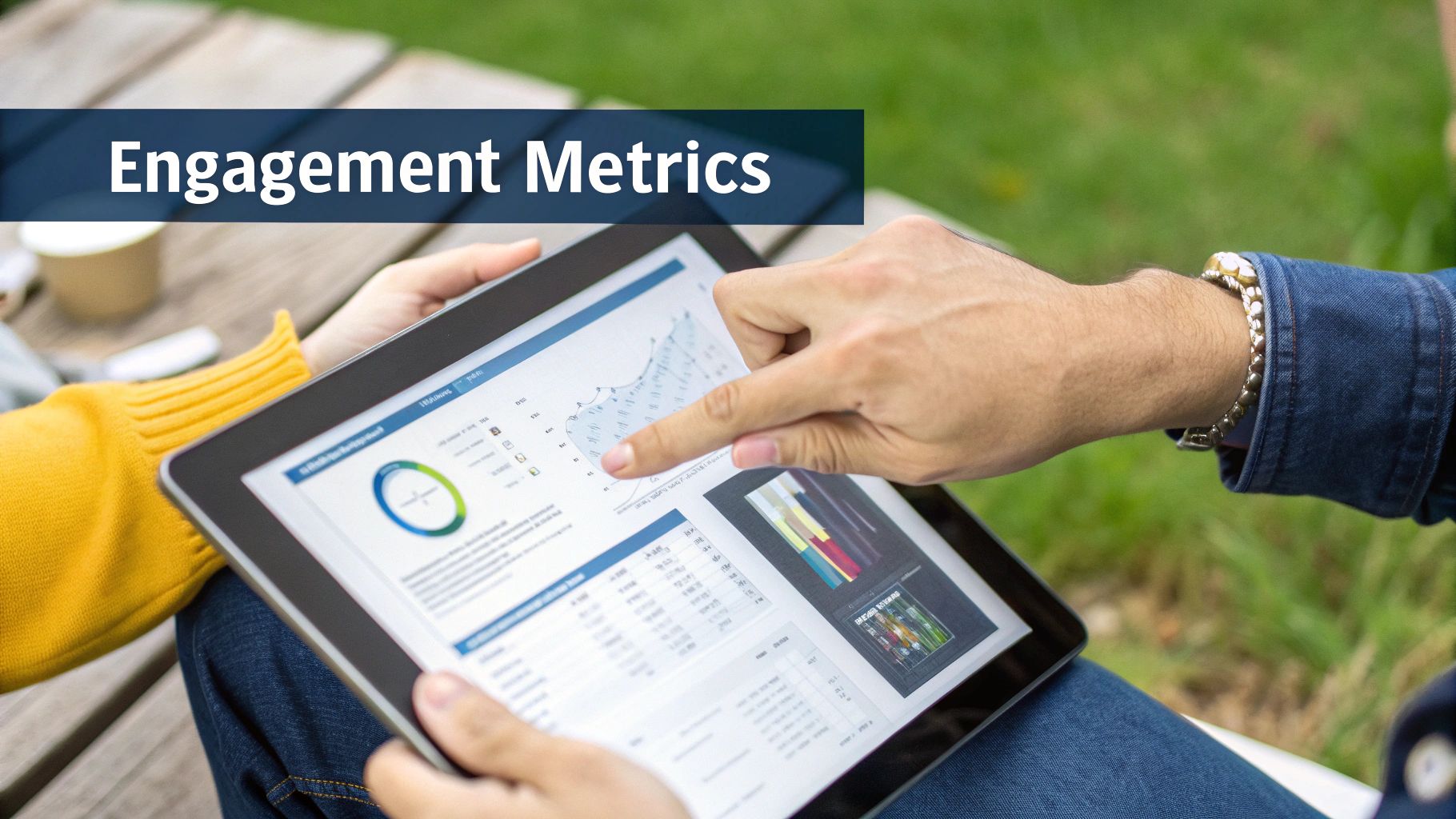
While dedicated tools can speed things up, there's a certain magic to manual outreach. Nothing builds a stronger, more authentic partnership than rolling up your sleeves and finding the right people yourself.
This hands-on approach is perfect for brands on a tighter budget or those who want to forge deep, lasting connections. It lets you discover Amazon influencers who don't just have an audience but have the right audience and a genuine alignment with your brand’s values.
Platforms like TikTok, Instagram, and YouTube are absolute goldmines for this. The trick is to start thinking like a customer who’s actually looking for product recommendations.
How to Search with Purpose on Social Media
The best place to start your hunt is with the hashtags Amazon-focused creators use every single day. These aren't just random tags; they’re breadcrumbs leading you straight to creators who are active in the Amazon ecosystem.
Kick off your search with a few key hashtags:
- #amazonfinds: This is a broad but incredibly effective tag for finding creators who excel at discovering unique products.
- #amazonmusthaves: You’ll often find influencers here who create curated lists and focus on problem-solving products for their followers.
- #amazonfashion or #amazonhome: Getting niche-specific helps you zero in on creators who are already established experts in your category.
- #founditonamazon: As Amazon's official tag, this is a great place to find a mix of user-generated content and posts from vetted influencers.
When you find a creator who looks promising, their profile is your next stop. You’re looking for clear signals that they’re a serious Amazon partner. The most obvious sign is a link in their bio pointing directly to their Amazon Storefront. Another great indicator is a dedicated "Amazon" or "Links" story highlight on Instagram, which shows they’re organized and active.
The goal of manual outreach isn't just to find someone with a huge follower count. You're looking for a creator whose audience implicitly trusts their judgment. A smaller, highly engaged following often delivers far more value than a massive, passive one.
Crafting a First Impression That Actually Gets a Reply
Once you’ve put together a shortlist, the real work begins. You need to craft an outreach message that won’t get immediately deleted in a crowded inbox. Generic, copy-paste messages are a one-way ticket to the trash folder. Your approach has to be personal.
Show them you’ve actually done your homework. Mention a specific piece of their content you genuinely enjoyed. Something like, "I loved your recent video on kitchen organization—the way you featured that spice rack was brilliant," proves you’re a real person and not just another brand spamming requests.
From there, clearly and concisely explain why your product is a perfect fit for their audience, not just a good fit for your brand. If you’re stuck on how to phrase your pitch, our guide on how to connect with influencers has some great, practical starting points.
It’s also important to remember the industry is leaning heavily toward smaller creators. On Instagram, nano-influencers now make up 75.9% of the creator pool, a clear sign that brands are prioritizing trust and authenticity over raw reach. This kind of personalized outreach is exactly how you build the partnerships that drive real results.
How to Vet Influencers and Build Strong Partnerships
So, you’ve found a creator who looks promising. That’s the easy part. The real work begins now—the work that separates a home-run campaign from a costly mistake.
Vetting an influencer properly means going beyond a quick glance at their follower count. It’s about making sure their audience is your audience.
Start by digging into their demographics. You can either ask for their media kit or use platform analytics to get a look under the hood. You're looking for specifics like age, location, and key interests. Let’s be real: if you're selling premium hiking boots, a creator whose audience is mostly urban teenagers obsessed with streetwear isn't going to move the needle for you, even with a million followers.
Evaluating Content and Authenticity
Once you’ve confirmed the audience is a match, it’s time to play detective with their content. Put on your consumer hat and scroll deep into their feed. Go back weeks, even months.
What are you looking for?
- Brand Safety: Is their vibe a good fit for your brand? You want someone whose content is professional and aligns with your company's values. The last thing you need is a PR fire to put out because of a partner’s questionable post.
- Content Quality: Take a hard look at their production value. Are their photos crisp and clear? Is their video content well-edited and engaging? Quality content signals that they’re serious about their craft and their partnerships.
- Real Engagement: Likes are nice, but comments tell the real story. Are people having actual conversations, or is it just a wall of "🔥🔥🔥" and spam bots? A genuinely engaged community is a sign of a creator who has built real trust.
This process gives you a feel for how they talk about products and, more importantly, whether their followers are actually listening.
A great influencer partnership is built on more than just a transaction. It’s a strategic alliance where an influencer’s authentic voice and your brand’s value proposition come together to create something their audience genuinely cares about.
Setting Clear Expectations and Negotiating Terms
After you've done your homework and feel confident you have a winner, it's time to reach out. Don't just send a generic template. Personalize your pitch and be crystal clear about what you have in mind for the partnership.
When you get to the money talk, remember that one size doesn't fit all. The right payment structure really depends on the creator's reach and your campaign goals.
- Commission-Based: This is the bread and butter of the Amazon Influencer Program. It’s a win-win, low-risk setup where the creator earns a slice of every sale they generate.
- Flat Fee: More established influencers will almost always require a fixed payment upfront. This is common for bigger projects like a dedicated YouTube review or a multi-post Instagram story series.
- Gifted Products: For up-and-coming nano or micro-influencers, getting free products to review can be a fantastic way to start building a relationship.
Whatever you agree on, put it in writing. A simple contract covering deliverables, timelines, content usage rights, and payment terms can save you a world of headaches later. This isn't just about protecting yourself; it's about building a professional, respectful relationship from day one.
In the end, it all comes down to results. You have to be able to show what's working, which is why knowing how to measure social media ROI is absolutely essential for proving the value of your Amazon influencer strategy.
Your Top Questions About Finding Amazon Influencers, Answered
Jumping into influencer marketing on Amazon for the first time? You've probably got a ton of questions. That's a good thing. Let's get them answered so you can build your first campaign on solid ground.
Most sellers want to talk numbers first, and for good reason. It’s the most critical piece of the puzzle.
How Much Does It Cost to Work with an Amazon Influencer?
There's no simple rate card for Amazon influencers. The cost can swing wildly depending on who you're working with and what you're asking them to do.
Compensation usually falls into one of three buckets:
- Gifting Products: If you're working with nano-influencers or creators just building their audience, sending them free products in exchange for content is often the perfect starting point.
- Commission Only: This is the bread and butter of the Amazon Influencer Program. Creators earn a commission—typically between 1% and 10%—on every sale that comes from their unique storefront link.
- Flat Fee + Commission: The bigger players with proven, engaged audiences will almost always require a flat fee upfront. Think of this as paying for their time, creativity, and access to their audience, on top of the commission they'll earn from sales.
The key is to find a middle ground where both you and the creator feel you're getting a fair shake. It all comes down to your budget and what you realistically expect in return.
What's the Real Difference Between an Amazon Influencer and an Associate?
This one trips a lot of people up, but the difference is pretty simple and really important. Both are part of Amazon's affiliate world, but they operate in different ways.
An Amazon Associate is your classic affiliate marketer. They get special links and share them on their own websites, blogs, or email newsletters to earn a cut of the sale.
An Amazon Influencer is a creator who has been approved by Amazon specifically for their social media following. The game-changer is that every approved influencer gets their own custom Amazon Storefront—it looks like amazon.com/shop/creatorhandle. This page is their own curated collection of recommended products, making them a much better fit for brands running visual campaigns directly on Amazon.
It boils down to this: Associates drive traffic to Amazon with links. Influencers create a shopping experience on Amazon with their storefront. That's why they are such powerful partners for sellers.
How Do I Actually Track Sales from an Influencer?
You can't afford to guess whether your partnerships are working. The good news is that Amazon’s system makes tracking sales pretty transparent.
Everything hinges on those unique affiliate links. When an influencer features your product, they use a special link that's tagged to their personal account. Amazon's system automatically tracks every single click and any purchase that happens within a certain window after that click.
This gives you a clear line of sight into which influencers are not just getting views, but are actually convincing people to buy. That data is gold for figuring out your ROI and deciding which partners to invest in more deeply.
Ready to stop guessing and start connecting with the right partners? REACH is an influencer marketing platform that makes finding, managing, and measuring your influencer campaigns simple. Find your perfect influencer match today.