 Skip to content

In today's crowded digital landscape, simply posting and hoping for engagement is a recipe for failure. The algorithms are smarter, audiences are more discerning, and the brands winning are those who execute with precision and a clear strategy. Generic advice like "post more often" or "be authentic" no longer provides a competitive edge. The reality is that standard, surface-level tactics are being ignored, leading to wasted effort and stagnant growth.
This guide moves beyond those tired recommendations to deliver a comprehensive list of actionable social media best practices you can implement today to drive meaningful results. We will break down exactly how to build a powerful presence that not only captures attention but also fosters loyalty and converts followers into customers.
You will learn how to:
- Structure a data-driven content calendar that guarantees consistency.
- Master platform-specific nuances to maximize reach on every channel.
- Build and manage a thriving community through authentic engagement.
- Use analytics to refine your strategy and prove ROI.
A critical component of modern social strategy is leveraging the right partnerships. Platforms like REACH Influencers are transforming how brands connect with creators, offering streamlined tools for discovering talent, managing campaigns, and tracking performance seamlessly. For instance, a beauty brand used REACH to identify micro-influencers for a new product launch, resulting in a 300% increase in user-generated content and a 45% lift in conversions in the first month. By integrating these expert-level practices, including smart influencer collaborations, you can build a powerful, results-oriented social media presence that achieves your most ambitious business goals. Let's dive into the strategies that separate the leading brands from the rest.
Table of Contents
- Post Consistently on a Content Calendar
- Engage Authentically with Your Audience
- Create Platform-Specific Content
- Leverage User-Generated Content (UGC)
- Use Data Analytics to Inform Your Social Media Strategy
- Maintain Consistent Brand Voice and Visual Identity
- Optimize for Video and Visual Content
- Collaborate with Influencers and Complementary Brands
- Implement Strategic Hashtag Research and Usage
- Build Community Through Stories and Live Content
1. Post Consistently on a Content Calendar
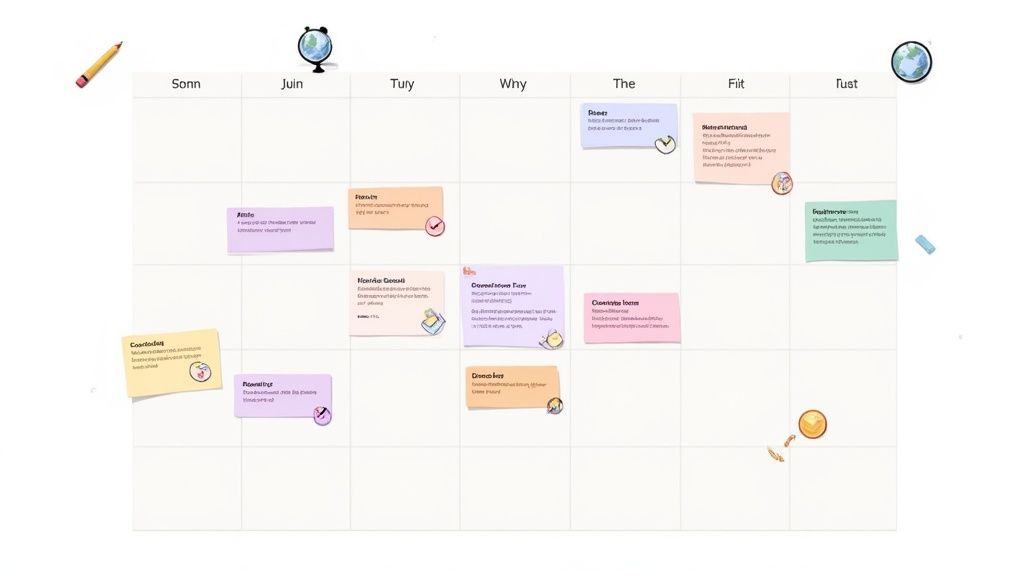
One of the most foundational social media best practices is maintaining a consistent posting schedule. Think of your social media feed as a TV show; your audience expects new episodes at a regular time. When you post erratically, you risk losing their attention and falling out of favor with platform algorithms, which prioritize fresh, reliable content. A content calendar is the strategic tool that transforms random acts of posting into a predictable and effective communication rhythm.
This proactive approach allows you to map out content weeks or even months in advance. It ensures a healthy mix of topics, formats, and objectives, preventing last-minute scrambles and maintaining a cohesive brand voice. By planning ahead, you can align social media campaigns with larger marketing initiatives, product launches, and seasonal trends, creating a more integrated and impactful brand presence.
Why It Works & Key Benefits
Consistency builds trust and trains your audience to anticipate your content, which boosts routine engagement. It also signals to social media algorithms that your account is active and valuable, which can lead to increased organic reach. Brands like HubSpot excel at this by consistently delivering high-value educational content, making their channels a go-to resource for marketers.
Key benefits include:
- Improved Efficiency: Reduces the daily pressure of deciding what to post, freeing up time for community engagement and strategic analysis.
- Strategic Alignment: Ensures your social content supports broader business goals, from lead generation to brand awareness.
- Enhanced Content Quality: Planning ahead allows for better research, creativity, and production value in every post.
How to Implement a Content Calendar
Getting started is straightforward. You can use a simple spreadsheet or dedicated scheduling tools like Buffer, Later, or Hootsuite to organize your plan.
Actionable Steps:
- Analyze Your Audience: Use platform analytics to identify the days and times your followers are most active. Schedule your most important posts for these peak windows.
- Follow the 80/20 Rule: Dedicate 80% of your calendar to content that educates, entertains, or inspires your audience. Use the remaining 20% for direct promotional messages.
- Plan Content Themes: Assign themes to specific days of the week (e.g., "Tech Tip Tuesday," "Founder Friday") to simplify content creation and create a predictable structure for your followers.
- Schedule in Advance: Aim to have your calendar filled out at least two to four weeks ahead of time to avoid gaps and maintain momentum.
2. Engage Authentically with Your Audience
Beyond just posting content, one of the most crucial social media best practices is building a genuine community through authentic engagement. Social media is a two-way street; broadcasting messages without listening or responding is a missed opportunity. Authentic engagement means actively participating in conversations, answering questions, and acknowledging your followers as valued individuals, not just numbers. This transforms your brand from a faceless entity into a relatable personality.
This approach focuses on creating real relationships and fostering loyalty. When a follower comments or shares your content, they are initiating a conversation. Responding thoughtfully shows that you are listening and that you value their input. This human-centric strategy builds trust and turns passive followers into active brand advocates who feel seen and appreciated. It's the difference between speaking at your audience and speaking with them.
Why It Works & Key Benefits
Authentic engagement signals to both users and algorithms that your brand is active, credible, and community-focused. When you respond to comments and messages, you increase the visibility of your posts and encourage more interaction. Brands like Wendy's have famously used this to their advantage, with their witty and personal Twitter replies creating a dedicated fan base that eagerly awaits their next interaction.
Key benefits include:
- Increased Brand Loyalty: People are more loyal to brands they feel a personal connection with.
- Improved Organic Reach: High engagement rates on your posts are a key signal to algorithms, which often leads to your content being shown to a wider audience.
- Valuable Customer Insights: Direct conversations provide unfiltered feedback, ideas, and insights into what your audience truly wants.
How to Implement Authentic Engagement
Building an engagement strategy is about creating consistent habits and empowering your team to interact with a clear brand voice. It requires dedicating time specifically for community management rather than treating it as an afterthought.
Actionable Steps:
- Set a Response Time Goal: Aim to respond to all comments, mentions, and direct messages within 24 hours. A timely response shows you are attentive and care.
- Personalize Your Replies: Address users by their name and reference their specific comment or question. Avoid generic, copy-pasted answers.
- Encourage Deeper Conversation: Ask follow-up questions to keep the dialogue going. If someone shares user-generated content featuring your product, react to it and ask for more details.
- Allocate Time for Engagement: Block out specific times in your daily schedule to focus solely on community interaction, ensuring it becomes a non-negotiable part of your routine.
3. Create Platform-Specific Content
A "one-size-fits-all" approach to social media is a recipe for low engagement. One of the most critical social media best practices is to create content tailored to the unique culture, format, and user expectations of each platform. Users on LinkedIn are seeking professional insights, while TikTok users want authentic, trend-driven entertainment. Cross-posting the exact same message everywhere disrespects these nuances and can make your brand appear out of touch.
Tailoring your content shows you understand and respect the platform's environment, which is rewarded by both users and algorithms. It allows you to connect with different audience segments in the most effective way possible, transforming your presence from generic to native. By adapting your core message to fit the style of each channel, you maximize its potential for impact and resonance, ensuring your efforts yield the best possible results.
Why It Works & Key Benefits
Platform-specific content performs better because it aligns with user intent and platform algorithms, which are designed to surface content that fits their specific format. This strategy boosts engagement, as content feels more natural and less disruptive. For instance, Nike posts highly polished, aspirational product imagery on Instagram but shares raw, behind-the-scenes training clips from athletes on TikTok, meeting the distinct expectations of each audience.
Key benefits include:
- Increased Engagement: Content that feels native to a platform earns more likes, comments, and shares because it matches user expectations.
- Improved Algorithm Performance: Platforms like Instagram and TikTok prioritize content that effectively uses their unique features, such as Reels, Stories, or trending sounds.
- Deeper Audience Connection: Speaking the "language" of each platform shows your audience that you understand them, building a stronger and more authentic community.
How to Implement Platform-Specific Content
Start by thinking of your core message as a central idea that you can adapt into different formats. Instead of creating one post and sharing it everywhere, create unique variations for each channel.
Actionable Steps:
- Identify Platform Strengths: Define the primary purpose for each platform. Use LinkedIn for thought leadership, TikTok for short-form video trends, Instagram for high-quality visuals, and Twitter for real-time conversation.
- Adapt a Single Idea: Take one concept, like a new product launch, and create different assets. For example, a professional case study on LinkedIn, a visually stunning carousel post on Instagram, and a fun unboxing video on TikTok.
- Use Native Features: Actively use platform-specific tools. Create Instagram Stories polls, use trending audio on TikTok Reels, and participate in relevant Twitter threads to show you are an active member of the community.
- Analyze Top Performers: Dedicate time each month to study what successful brands in your niche are doing on each platform. Note the formats, tones, and topics that generate the most engagement and apply those learnings.
4. Leverage User-Generated Content (UGC)
One of the most powerful social media best practices is to encourage and showcase content created by your actual customers. User-generated content (UGC) includes any photos, videos, reviews, or testimonials shared by people who use your products or services. This approach transforms your audience from passive consumers into active brand advocates, building a powerful sense of community and providing authentic social proof that resonates far more than traditional advertising.
Leveraging UGC reduces the content creation burden on your marketing team while amplifying your brand’s reach through trusted, organic channels. When potential customers see real people enjoying your brand, it builds an immediate layer of trust and authenticity that is difficult to replicate with polished, branded assets. This strategy turns your customer base into a volunteer marketing force.
 and test it. Document the results to build a playbook of what resonates with your specific audience.
- Create Custom Dashboards: Use tools to pull your most important metrics into one place for a clear, at-a-glance view of performance.
6. Maintain Consistent Brand Voice and Visual Identity
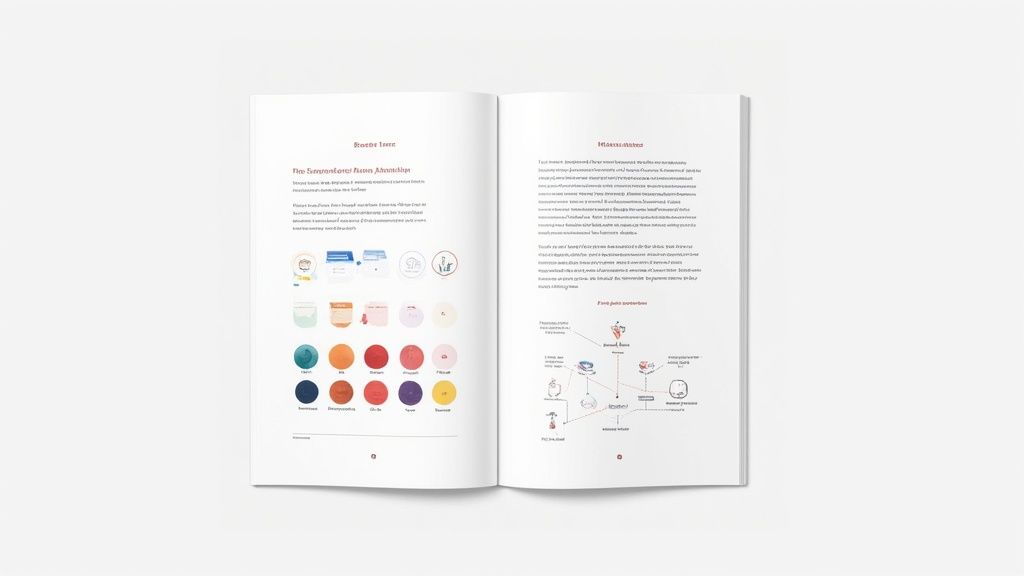
A cohesive brand identity is one of the most critical social media best practices for building a memorable and professional presence. It involves creating a unified experience across all social channels through a consistent tone of voice, messaging, color palette, and visual style. When your audience encounters your content, whether on Instagram, TikTok, or LinkedIn, they should instantly recognize it as yours, even before seeing your name.
This consistency builds powerful brand recognition and fosters a deep sense of trust and reliability with your audience. Think of your brand identity as your brand's personality; a consistent personality is dependable and easier to connect with. In a crowded digital space, a strong, unified identity cuts through the noise and makes your brand unforgettable.
Why It Works & Key Benefits
Consistency humanizes your brand, making it more relatable and trustworthy. It ensures that every touchpoint reinforces your core values and message, creating a seamless customer experience. Brands like Mailchimp have mastered this by using a consistently quirky and friendly voice, paired with a distinct illustrative style, making their brand approachable and recognizable.
Key benefits include:
- Enhanced Brand Recognition: A consistent look and feel make your content instantly identifiable in a fast-scrolling feed.
- Increased Trust and Loyalty: Predictability in messaging and visuals builds credibility and strengthens the audience's connection to your brand.
- Perceived Professionalism: A cohesive identity signals that your brand is well-managed, detail-oriented, and established.
How to Implement Brand Consistency
The foundation of consistency is a comprehensive brand guide that your entire team can reference. This document should be the single source of truth for all creative and communication efforts, including content created with partners through influencer marketing platforms.
Actionable Steps:
- Create a Brand Style Guide: Document your brand’s mission, voice (e.g., witty, authoritative, friendly), color palette (hex codes), and font hierarchy.
- Use Templates: Design branded templates for various post types (quotes, announcements, stories) in tools like Canva to ensure visual uniformity.
- Define a Visual Mood: Establish a consistent aesthetic with a specific photo editing style or filter preset that you apply to all images.
- Conduct Regular Audits: Review your social media profiles monthly to check for any inconsistencies in voice, messaging, or design and make necessary adjustments.
7. Optimize for Video and Visual Content
In today's fast-scrolling digital landscape, visual content reigns supreme. Optimizing for video and high-quality imagery is no longer optional; it's one of the most critical social media best practices for capturing audience attention. Platforms from Instagram to TikTok are built on a visual-first foundation, with algorithms that heavily prioritize dynamic content like Reels, Stories, and short-form videos over static text posts.
Visuals are more than just eye-catching. They are powerful communication tools that can convey complex emotions and information far more effectively than words alone. By focusing on creating compelling videos and images, you tap into how modern audiences prefer to consume content, leading to significantly higher engagement, better information retention, and a stronger connection with your brand.
Why It Works & Key Benefits
Video content generates demonstrably higher engagement rates, as seen with the explosive growth of TikTok and the success of Instagram Reels, which often outperform static image posts. Brands like Dove effectively use video testimonials to build emotional connections and trust, showcasing real stories that resonate deeply with viewers. This approach makes a brand feel more human and authentic.
Key benefits include:
- Increased Engagement: Videos and compelling images naturally attract more likes, comments, and shares, boosting your visibility.
- Improved Algorithm Favorability: Platforms reward accounts that use their native video features (like Reels and Shorts) with greater organic reach.
- Enhanced Storytelling: Visuals allow you to tell richer, more immersive brand stories that captivate your audience and drive a stronger emotional response.
How to Implement a Visual-First Strategy
Transitioning to a visual-first strategy means thinking about the visual hook before anything else. It requires a mix of creativity, strategic planning, and the right tools to produce content that stops the scroll.
Actionable Steps:
- Hook Viewers Immediately: Capture attention within the first three seconds of your video with a compelling visual, a provocative question, or an intriguing statement.
- Design for Sound-Off Viewing: Since up to 85% of social media videos are watched without sound, always include clear, easy-to-read captions.
- Embrace Vertical Video: Optimize your content for mobile by shooting and editing in a vertical format (9:16 aspect ratio) for platforms like TikTok, Instagram Reels, and YouTube Shorts.
- Repurpose Smartly: Create a primary long-form video and then edit it down into multiple shorter clips, images, and GIFs to distribute across different platforms, maximizing your content's lifespan. Specifically, for enhancing your presence on platforms and engaging your target audience, leveraging robust video marketing for social media strategies can provide a significant competitive edge.
8. Collaborate with Influencers and Complementary Brands
One of the most powerful social media best practices is leveraging the trust and reach of others through strategic partnerships. Collaborating with influencers and complementary, non-competing brands allows you to tap into established communities, generating authentic endorsements that resonate far more than traditional ads. This approach combines audiences and resources, creating mutually beneficial content that feels natural and valuable.
Instead of building an audience from scratch, you borrow the credibility of a trusted voice. When a creator your target audience already follows and admires recommends your product, it acts as a powerful social signal. Similarly, partnering with a brand that serves the same customer base creates a synergy where both parties gain exposure and credibility, amplifying marketing efforts for a fraction of the cost of paid media.
Why It Works & Key Benefits
Collaborations build instant social proof and cut through the noise of crowded social feeds. By aligning with the right partners, your brand message is delivered by a trusted source, leading to higher engagement and conversion rates. Watch brand Daniel Wellington famously used this tactic with micro-influencers to build a global presence, proving that authentic partnerships can be more effective than massive ad budgets.
Key benefits include:
- Expanded Reach: Instantly exposes your brand to new, highly relevant, and engaged audiences.
- Enhanced Credibility: An endorsement from a respected influencer or brand builds trust much faster than self-promotion.
- Cost-Effective Marketing: Often delivers a higher ROI compared to traditional advertising by leveraging existing audience relationships.
How to Implement Collaborations
Success lies in finding the right partners and structuring a clear, mutually beneficial agreement. The goal is a long-term relationship, not a one-off transaction.
Actionable Steps:
- Identify the Right Partners: Look for influencers or brands whose audience demographics and brand values align with yours. Prioritize high engagement rates over sheer follower count, as this indicates a more loyal and active community.
- Define Clear Goals and Deliverables: Establish specific KPIs for your campaign, whether it's brand awareness, website traffic, or sales. Create a clear contract that outlines all expectations, deliverables, content rights, and FTC disclosure requirements like #ad.
- Focus on Authenticity: Give creators the freedom to integrate your product into their content in a way that feels genuine to their style. Forced or overly scripted promotions can backfire and erode audience trust.
- Build Long-Term Relationships: Treat your partners like true collaborators. The REACH Influencers platform simplifies this process by providing tools to discover vetted creators, manage contracts, and nurture relationships for ongoing ambassadorships that provide consistent, authentic advocacy.
9. Implement Strategic Hashtag Research and Usage
Using hashtags strategically is one of the most effective social media best practices for expanding your content's reach beyond your existing followers. Think of hashtags as a filing system for social media; they categorize your content and make it discoverable to users actively searching for your topics, products, or industry. A well-researched hashtag strategy ensures your posts appear in relevant discovery feeds, connecting you with a highly engaged and interested audience.
This approach moves beyond simply adding popular tags and involves a methodical blend of high-volume, niche, and branded hashtags. By diversifying your hashtag portfolio, you can compete in both broad conversations and specific community discussions. This ensures your content is not just seen, but seen by the right people, driving qualified traffic and meaningful engagement.
Why It Works & Key Benefits
Strategic hashtag usage directly impacts discoverability and audience growth. It allows you to tap into ongoing trends, join industry conversations, and build a community around your brand. For example, Coca-Cola's #ShareACoke campaign used a simple branded hashtag to generate millions of pieces of user-generated content, turning a marketing slogan into a global conversation.
Key benefits include:
- Increased Organic Reach: Exposes your content to users who don't follow you yet but are interested in your niche.
- Enhanced Engagement: Connects you with more relevant audiences who are more likely to interact with your posts.
- Community Building: A unique branded hashtag (e.g., #MyStarbucksStory) encourages user-generated content and fosters brand loyalty.
How to Implement a Hashtag Strategy
A successful strategy requires ongoing research and adaptation based on performance data and platform nuances. You can start with platform-native search tools or leverage specialized hashtag research platforms.
Actionable Steps:
- Analyze Competitors: Identify the hashtags your top competitors and industry leaders are using successfully to find proven tags for your niche.
- Use a Tiered Approach: Mix your hashtags. For Instagram, a good model is 5 popular (1M+ posts), 10 medium (100k-1M posts), and 10 niche-specific (under 100k posts) to maximize visibility.
- Tailor by Platform: Adapt your usage for each network. Use 1-2 relevant hashtags on Twitter, 3-5 professional tags on LinkedIn, and a mix of 3-5 trending and niche tags on TikTok.
- Create a Branded Hashtag: Develop a unique hashtag for your brand or specific campaigns to track conversations and encourage user participation.
10. Build Community Through Stories and Live Content
Beyond the polished grid, the most authentic audience connections happen in real-time. This is where Stories and live content shine as essential social media best practices. Their ephemeral and interactive nature creates a sense of immediacy and exclusivity, making followers feel like they are part of an inner circle. While a feed post is a static announcement, a Story or a live stream is a dynamic conversation.
This unfiltered format humanizes your brand, showing the people and processes behind the products or services. It fosters a deeper, more loyal community by inviting participation rather than just passive consumption. By leveraging these features, you transform your social media presence from a broadcast channel into a vibrant, engaged community hub where followers feel seen, heard, and valued.
Why It Works & Key Benefits
Stories and live content tap into the psychological principle of FOMO (Fear Of Missing Out). Because the content is temporary, it encourages users to check in frequently and engage immediately. Live streams create an appointment-viewing experience, building anticipation and providing direct, unscripted access to your brand. Brands like Sephora master this by using live tutorials for new product launches, creating buzz and driving sales through real-time demonstrations.
Key benefits include:
- Increased Authenticity: Shows an unpolished, human side of your brand that builds trust and relatability.
- Boosted Engagement: Interactive features like polls, Q&As, and live comments invite direct audience participation.
- Enhanced Visibility: Platforms often prioritize live content and Stories, pushing them to the top of users' feeds and notification centers.
How to Implement Stories and Live Content
Integrating this strategy is about embracing spontaneity while maintaining a plan. Use a mix of behind-the-scenes glimpses, interactive polls, and scheduled live events to keep your audience hooked.
Actionable Steps:
- Post Stories Consistently: Aim for 2-4 Stories daily to stay top-of-mind. Use a mix of images, short videos, and text to keep the format engaging.
- Utilize Interactive Stickers: Actively use polls, question boxes, quizzes, and countdown timers in your Stories. This is low-effort for the user and provides you with valuable feedback.
- Schedule and Promote Live Streams: Go live at least once a week. Announce your live stream 24-48 hours in advance using a countdown sticker in your Stories to maximize attendance.
- Engage During Broadcasts: During a live stream, acknowledge viewers by name, answer their questions in real-time, and create a two-way dialogue. Repurpose the best moments into feed posts or Story Highlights later.
Social Media Best Practices: 10-Point Comparison
| Practice | 🔄 Implementation Complexity | ⚡ Resource / Time Requirements | 📊 Expected Outcomes | ⭐ Key Advantages | 💡 Quick Tips |
|---|---|---|---|---|---|
| Post Consistently on a Content Calendar | Low–Medium — initial setup then repeatable | Moderate — scheduling tools, planning time | Steady engagement, better algorithmic visibility | Consistent reach; reduced last-minute effort | Use Buffer/Hootsuite, plan 2–4 weeks, 80/20 rule |
| Engage Authentically with Your Audience | Medium — ongoing monitoring and responses | High — staff time or community manager | Higher loyalty, more shares, customer insights | Builds trust; humanizes brand; improves retention | Reply within 24h, use names, schedule engagement blocks |
| Create Platform-Specific Content | High — tailor formats and tone per platform | High — more content creation & editing | Higher engagement and platform performance | Maximizes relevance and ROI per platform | Study top performers, adapt format & tone per channel |
| Leverage User-Generated Content (UGC) | Medium — campaign setup, curation, moderation | Low–Medium — incentives and curation time | Greater authenticity, increased conversions | Social proof; diverse content; lower creation cost | Create branded hashtags, ask permission, credit creators |
| Use Data Analytics to Inform Strategy | Medium–High — requires tools & analysis skills | Medium — analytics tools, reporting time | Optimized posting, better ROI, informed decisions | Data-driven strategy; identifies high-performing content | Track KPIs, review weekly/monthly, run A/B tests |
| Maintain Consistent Brand Voice and Visual Identity | Medium — documentation and team training | Low–Medium — style guide, templates | Stronger recognition and professional image | Efficiency via templates; consistent recognition | Build a brand guide, use Canva templates, audit monthly |
| Optimize for Video and Visual Content | High — production, editing skills required | High — equipment, software, production time | Much higher engagement and watch time | Algorithm priority; highly shareable storytelling | Hook in 3s, add captions, invest in lighting/audio |
| Collaborate with Influencers & Complementary Brands | Medium–High — partner selection and contracts | Medium–High — budget, coordination | Expanded reach, credibility, new audiences | Access to targeted audiences; shared costs | Prioritize aligned values, start with micro-influencers, set KPIs |
| Implement Strategic Hashtag Research and Usage | Low–Medium — research and monitoring | Low — tools and time for updates | Improved discoverability and follower growth | Low-cost visibility boost; campaign discovery | Use mix of popular/medium/niche, update monthly, use Hashtagify |
| Build Community Through Stories and Live Content | Medium — regular scheduling and live prep | Medium — frequent content and moderation | Increased daily touchpoints and real-time engagement | Intimacy and immediacy; lower production barrier | Post Stories 2–4x/day, go live weekly, use interactive stickers |
Turn These Practices into a Winning Strategy
You’ve just explored a comprehensive roadmap detailing ten essential social media best practices. From establishing a consistent posting schedule and engaging authentically with your audience to tailoring content for each platform and leveraging the power of data, these pillars are the foundation of a formidable digital presence. It's easy to look at this list and feel overwhelmed, but the key isn't to implement everything perfectly overnight. The goal is to move from passive posting to proactive strategy, one step at a time.
The true power of these practices is unlocked when they work in concert. A consistent brand voice feels more impactful when paired with high-quality visual content. Your community-building efforts through Stories and live video become more effective when informed by analytics that tell you what your audience truly wants. Each practice supports and amplifies the others, creating a cohesive and resilient social media engine. This integrated approach is what separates fleeting viral moments from sustainable, long-term growth.
From Checklist to Culture
The most successful brands don't just follow a checklist of social media best practices; they embed them into their marketing culture. This means transforming these guidelines from a set of rules into a strategic mindset.
- Data-Driven Decisions: Instead of guessing what content will perform well, make it a habit to start with your analytics. Ask "What did our audience engage with most last month?" and "What do the numbers tell us about our video strategy?" before you plan your next content calendar.
- Audience-First Mentality: Shift your focus from "What do we want to say?" to "What does our community want to hear?". Every piece of content, every reply, and every campaign should be created with your target audience's needs, interests, and pain points at its core.
- Embrace Agility: Social media trends and platform algorithms change constantly. A winning strategy is not a static document but a living one. Be prepared to test, learn, and pivot quickly. If a new content format is gaining traction, experiment with it. If a certain type of post is underperforming, don't be afraid to adjust.
Mastering these concepts transforms your social media from a simple broadcast channel into a dynamic ecosystem for brand building, community engagement, and ultimately, business growth.
The Strategic Amplifier: Collaboration and Tools
One of the most powerful accelerators for your strategy is collaboration. Partnering with influencers and complementary brands, as we've discussed, introduces your brand to new, highly engaged audiences with a level of trust that is difficult to build through ads alone. However, managing these relationships effectively requires a structured approach to discovery, outreach, contracts, and measurement.
To effectively implement these practices and streamline your workflow, exploring the right tools is essential. Your team can become significantly more efficient by using the best social media content creation tools to produce high-quality visuals and manage your editorial calendar. By automating repetitive tasks and leveraging specialized software, you free up valuable time to focus on what truly matters: strategy and authentic community interaction.
Ultimately, a commitment to these social media best practices is a commitment to your brand's future. It’s about building genuine connections, providing real value, and creating a loyal community that will advocate for you. Start by choosing one or two areas to focus on, measure your progress, and build momentum. Your brand, your audience, and your bottom line will thank you for it.
Ready to supercharge your influencer collaborations and execute this crucial social media best practice flawlessly? REACH Influencers provides an all-in-one platform to discover the perfect creators, manage campaigns from start to finish, and track ROI with precision. Stop guessing and start building strategic partnerships by exploring the powerful tools inside REACH today.