 Skip to content


93% of marketers have used influencer marketing, and 90% say it works, according to influencer marketing statistics compiled by BlueSky Communications. That level of adoption changes the standard for creators. More budget is available, but more scrutiny comes with it.
Brand teams do not keep hiring creators only because they make good content. They keep hiring the creators who reply on time, follow a clear process, understand campaign goals, and deliver assets without confusion. The difference between a growing side income and a durable creator business is usually operational discipline.
That is why REACH matters early. A workflow tool does more than organize messages. It helps creators track deals, manage approvals, store deliverables, and keep communication in one place so growth does not depend on memory, screenshots, or a chaotic inbox.
These tips are built as a business framework, not a list of posting hacks. The goal is to help influencers run partnerships with the same structure a good campaign manager expects: clear strategy, reliable execution, and clean management behind the scenes.
1. Define Clear Campaign Objectives and KPIs Before Outreach
Campaigns break down early. The usual cause is simple. The creator is optimizing for engagement, the brand is judging sales lift, and neither side agreed on the target before outreach started.
Set the business goal first, then choose the metric that proves progress. That sounds basic, but it changes everything from your pitch angle to your rate, format, revision limits, and reporting plan. If a brand cannot explain what outcome they want, pause the conversation until they can.
I usually sort influencer campaigns into three jobs: awareness, consideration, and conversion. Each job needs different content, different expectations, and different evidence of success. A Story set built to spark curiosity should not be measured like a YouTube integration built to drive tracked purchases.
Match the metric to the job
Ask one question before you discuss deliverables: what result is this content supposed to produce?
That answer gives you the KPI framework.
- Awareness campaigns: track reach, impressions, shares, saves, and audience fit.
- Consideration campaigns: track comments quality, profile visits, watch time, sticker taps, and link clicks.
- Conversion campaigns: track clicks, code redemptions, affiliate sales, lead submissions, and revenue tied to the campaign.
Good creators do not accept vague success criteria like "go viral" or "get strong engagement." Push for a small set of measurable targets and define how each one will be tracked. If the brand wants conversions, ask whether they are using UTM links, discount codes, affiliate tracking, post-purchase surveys, or platform-native attribution. If none of that is in place, the campaign may still be useful, but the reporting will be weaker and the performance debate will show up later.
Use a shared planning doc or a campaign workspace before outreach begins. Include deliverables, timeline, target audience, approval stages, usage rights, reporting dates, and the two to four KPIs that matter most. A structured process like the one outlined in this guide on how to collaborate with brands effectively helps creators frame these details before they turn into revision loops.
One practical rule has saved a lot of bad campaigns: if a KPI will not change the creative approach, media plan, or budget decision, it should not sit at the center of the brief.
Creators who understand this get treated differently. They are easier to brief, easier to measure, and easier to rebook because they connect content to a business result instead of treating every campaign like a generic posting assignment.
2. Build Long-Term Relationships Rather Than One-Off Transactions
Repeat brand work is usually more profitable than constantly replacing clients. It lowers admin time, shortens negotiation cycles, and gives creators a steadier revenue base than chasing isolated deals every month.
A one-off campaign can still make sense. Sometimes the fee is strong, the product fit is clear, and the brief is simple. But creators who want a real business, not just occasional sponsorship income, need to evaluate partnerships by lifetime value, not just the first payment.
When the same brand comes back, the work gets better. You already understand the product, the approval style, the audience response, and the content formats that performed well last time. That means fewer revisions, faster production, and stronger results without rebuilding the process from scratch.
Treat the first campaign like the start of an account, not a single transaction. Good creators deliver the content, then make rebooking easy. That means submitting assets on time, keeping approvals organized, flagging what resonated with the audience, and closing the campaign with a short performance summary. Brands remember creators who reduce workload, not just creators who post well.
If you want a clearer view of what brands expect behind the scenes, REACH's guide on how to collaborate with brands effectively is useful because it maps the working process, not just the content side.
Choose relationships that are worth repeating
Not every repeat deal is a good deal. Some brands create more operational drag than revenue. Late feedback, unclear usage terms, inconsistent points of contact, and slow payment can turn a decent fee into a bad partnership.
Use a simple filter before agreeing to ongoing work:
- Audience fit: The product makes sense for your niche and buying behavior.
- Communication quality: Feedback is clear, consolidated, and documented.
- Creative respect: The brand gives direction without flattening your voice.
- Operational reliability: Contracts, approvals, and payment are handled properly.
Relevance matters most because it protects audience trust over time. A creator can survive one awkward sponsorship. A pattern of poor-fit brand deals weakens credibility, lowers conversion potential, and makes every future promotion harder to sell.
The practical goal is to build a repeatable operating system around a smaller set of good partners. That is where creator businesses start to mature. Content is still the product, but workflow becomes the advantage. Tools like REACH help close the gap between making sponsored content and managing a sustainable pipeline of brand relationships.
3. Leverage Micro and Nano Influencers for Authentic Engagement
Smaller creators often drive stronger trust than larger accounts because their audience relationship is still personal, specific, and close to the buying decision.
If you're a creator with a modest following, position that as a business advantage. Brands do not always need reach at scale. They often need relevance, credible product fit, and content that feels natural in-feed. Micro and nano creators usually deliver that better than broad lifestyle accounts with mixed audiences.
Micro creators are commonly grouped into the 10,000 to 100,000 follower range. Nano creators sit below that. The exact cutoff matters less than the operating reality. Smaller audiences usually mean tighter community signals, clearer niche identity, and more useful comment-level feedback.
Small audiences can be the right audiences
This is a performance case, not just a branding preference. Smaller creators should sell precision. A focused audience is easier to convert than a large audience with weak intent.
That changes how to present your value to brands.
Lead with audience quality, category fit, and proof that people pay attention when you recommend something. Show saves, replies, click patterns, story interactions, repeat questions, and examples of followers acting on your advice. Those signals matter more than inflated packaging.
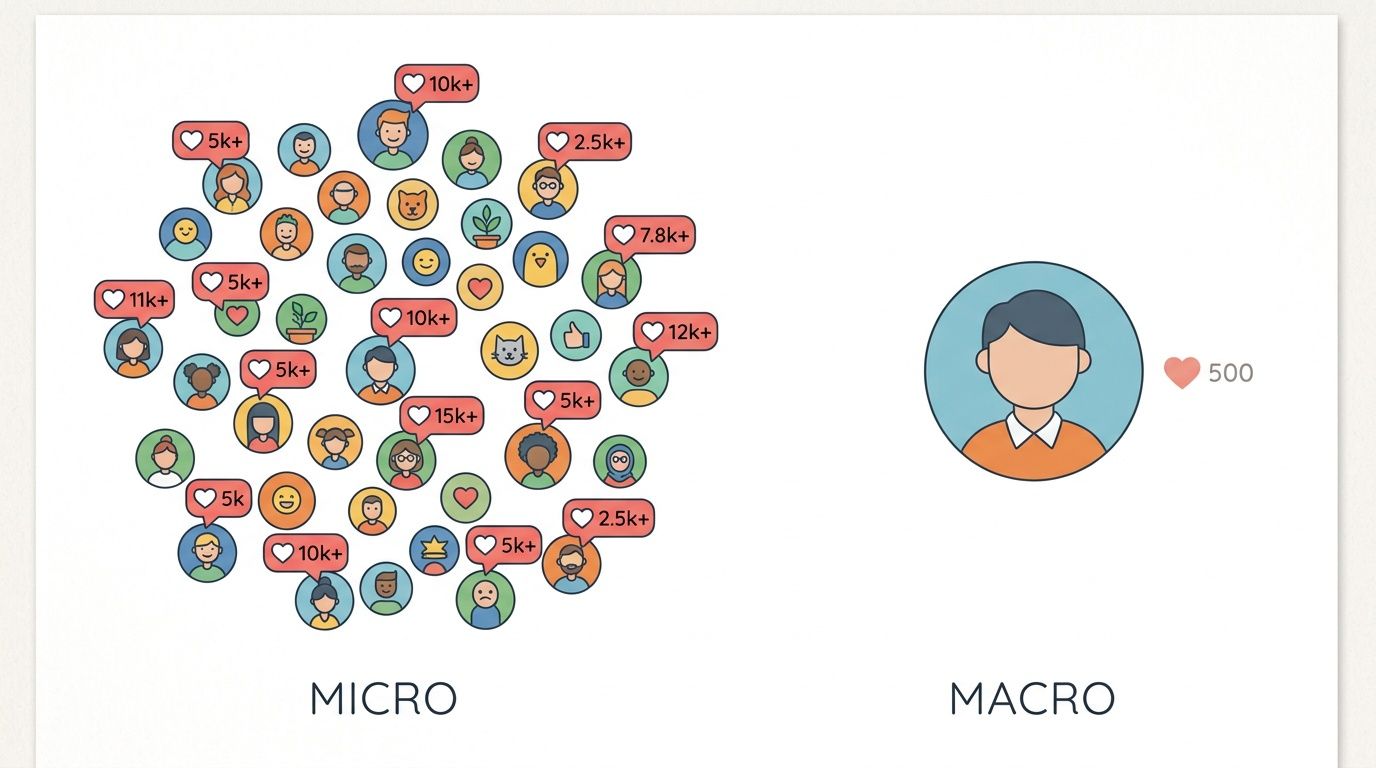
A common mistake is copying macro-influencer presentation. Smaller creators start overproducing content, broadening their message, and sanding off the niche perspective that made them useful in the first place. That usually weakens results. Audiences trust creators who know the category, use the product in a real context, and speak with specificity.
Smaller creators usually win when they sound like trusted people, not mini ad agencies.
In practice, that means tighter examples, clearer product context, and honest limits. A skincare creator explaining who a product is not for can outperform a bigger account reading generic talking points. A local food reviewer can move more visits than a national lifestyle creator if the audience can act on the recommendation. Relevance changes the economics of influence.
For creators building this into a real business, the goal is not to look bigger. The goal is to prove you are easier to trust, easier to match to the right campaign, and easier to manage repeatedly. That last part matters as you scale. Tools like REACH help turn strong niche performance into an organized pipeline of brand work, approvals, deliverables, and repeat partnerships.
4. Create Detailed, Flexible Creative Briefs and Content Guidelines
Creators say they want freedom. Brands say they want authenticity. Both are right, but campaigns still fail when the brief is vague.
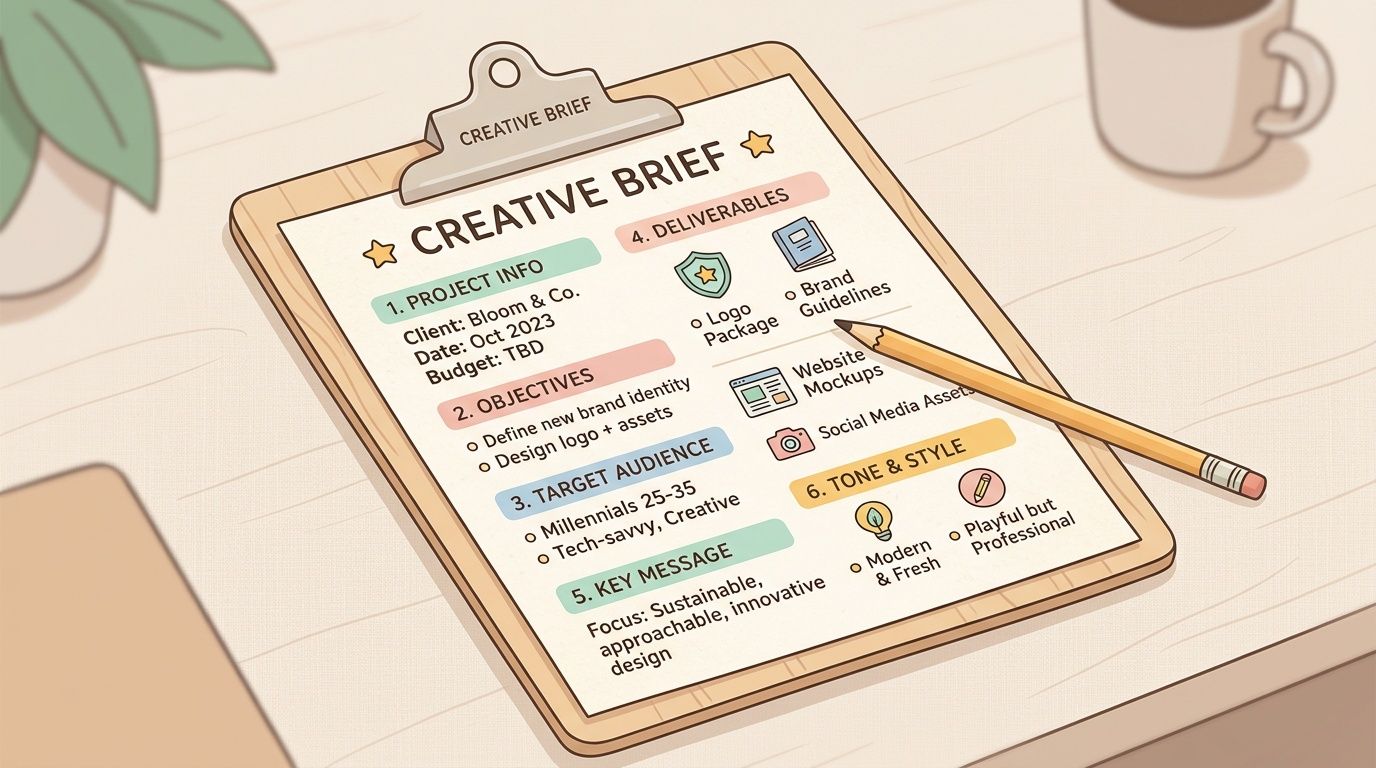
A good brief gives structure without scripting every line. It should tell you what has to be included, what must be avoided, who the audience is, what the campaign is trying to do, and where you have room to interpret. If a brand only sends a one-line ask and a deadline, expect confusion later.
What a usable brief includes
The best briefs are practical documents, not brand manifestos. They answer working questions fast.
Include or request these elements:
- Core message: The main product point the audience needs to remember.
- Audience context: Who the post is for and what problem the product solves.
- Non-negotiables: Required talking points, tags, disclosures, and deadlines.
- Creative flex points: Where your tone, format, and storytelling can lead.
- Usage details: Whether the brand wants paid usage, whitelisting, or repost rights.
Overly rigid briefs produce stiff content. Overly loose briefs produce rework. The sweet spot is clear boundaries plus room for creator judgment.
Protect your voice during revisions
Creators often lose control during revision rounds because they don't separate strategic feedback from aesthetic preference. If the brand asks you to correct a factual claim, that's fair. If they ask you to sound like someone else's content, push back.
Ask brands to label feedback as required, suggested, or optional. That one habit cuts a lot of unnecessary back-and-forth.
Practical creators build templates for themselves too. Save a repeatable format for campaign notes, shot lists, hooks, compliance reminders, and final asset delivery. That turns each new collaboration into a lighter lift.
5. Establish Transparent Communication Channels and Project Management
Campaigns rarely fail because a creator cannot make the content. They fail because approvals sit in three inboxes, a deadline lives in a DM, and nobody can confirm which version is final.
That mess gets expensive fast. Missed posts, duplicate edits, late invoices, and preventable tension usually trace back to one problem. The campaign has no operating system.
Treat communication like production infrastructure, not admin. If you want to turn influence into a real business, every collaboration needs one clear home for decisions, files, timelines, and status. That can be a project management tool, a shared client portal, or a campaign platform like REACH. The trade-off is simple. Setting up a system takes effort upfront, but it saves hours of rework once you are juggling multiple brand partners.
Use one place to manage:
- Deliverables: What is due, in what format, and on what date.
- Approvals: Which draft is current, who signed off, and what still needs review.
- Feedback: Comments attached to the asset instead of buried across email and DMs.
- Admin: Contracts, invoices, payment terms, usage rights, and tax documents.
Communication rules matter as much as the tool. Set response windows, name one decision-maker on the brand side, and confirm how urgent requests should be handled. I have seen strong campaigns get delayed for days because four stakeholders gave conflicting notes in different channels. One approval path fixes that.
Email still plays a big role, especially for outreach, contracts, and revision records. Clear thread names make retrieval easier when campaigns stack up, and subject line capitalization best practices help brand communication look polished without adding extra work.
Reliable creators are easy to work with. Reliable systems make that reputation scalable.
6. Optimize for Platform-Specific Content and Algorithm Understanding
Performance gaps across platforms are wide enough to change the economics of a campaign. The same offer, creator, and budget can produce very different results depending on whether the content fits how that platform distributes and rewards posts.
Cross-posting saves time, but it usually cuts return. TikTok favors fast pattern breaks, direct delivery, and content that feels current. Instagram rewards stronger visual control and clearer packaging. YouTube gives more room for explanation, trust-building, and search intent. Good creators adapt the concept itself, not just the aspect ratio.
The practical mistake I see often is treating content production as the whole job. Sustainable creator businesses also need a repeatable decision system. That means documenting what kind of hook works on each platform, how long branded segments can run before drop-off, which calls to action fit the format, and what approval changes hurt native performance. Tools like REACH help creators connect that execution layer to the business side, so campaign learnings do not disappear after one post. Even a guide on the operational side, like REACH's breakdown of how influencer payment structures work, matters here because platform strategy only pays off if the work is priced and scoped correctly.
Native content wins
A TikTok review can be fast, opinion-led, and filmed with lower polish if the idea is strong. An Instagram Reel usually needs a cleaner visual frame and a thumbnail that earns the tap. A YouTube integration needs stronger pacing, context, and a clearer narrative payoff. Each format asks for a different creative trade-off.
That changes more than editing. It changes the first three seconds, caption length, posting cadence, and the kind of action you ask a viewer to take. Track results by platform and by format. If you bundle everything into one campaign report, you miss the pattern that tells you what to repeat.
Watch this if you're refining how platform-specific content should flow in practice:
Three questions to ask before you post
Before sponsored content goes live, check these:
- How do people find content on this platform?
- What style feels native instead of overproduced or out of place?
- What action can the audience realistically take here?
Those three questions catch a lot of wasted effort. They keep you from building polished branded content that looks good in review, then underperforms because it ignores how the platform works.
7. Implement Streamlined Payment Processes and Compliance Management
Late payment damages creator relationships fast. I have seen solid partnerships stall over a missing invoice approval, not because the fee was too low, but because nobody owned the process.
Creators who treat their work like a business build payment and compliance into the campaign setup. Rates, payment timing, approval triggers, invoice requirements, tax forms, usage rights, and disclosure rules should be confirmed before content production starts. If those details stay loose, the campaign team ends up chasing paperwork while posts are already in review.
Payment terms should be boring
Boring is good. Clear terms reduce disputes, speed up approvals, and make repeat work easier to book.
Use a standard structure:
- Set payment timing early: Confirm whether payment is upfront, on posting, net 30 after invoice, or tied to final approval.
- Define completion clearly: State what counts as delivered work, including revisions, links, captions, usage files, and reporting screenshots if required.
- Collect forms before launch: Tax documents, vendor setup details, and legal names should be on file before the first post is due.
- Make status visible: Creators should be able to see whether an invoice is submitted, approved, scheduled, or paid.
- Document compliance requirements: FTC disclosures, category restrictions, exclusivity windows, and content rights need written confirmation, not assumptions.
Here, creator operations stop feeling informal and start functioning like a business. A good workflow tool helps by keeping contracts, approvals, payment status, and deliverables in one place instead of buried across email threads and spreadsheets.
If you want a clearer view of how brands evaluate results after payment and posting, REACH also breaks that down in its guide to measuring influencer engagement and ROI.
A clean payment process is part of your professional reputation. Brands notice fast responses, accurate paperwork, and zero confusion around delivery terms.
Rate negotiation matters. Process negotiation matters too. A fair fee with vague payment terms, unclear usage rights, or missing compliance steps can still turn into extra unpaid work.
8. Monitor Content Performance and Campaign Analytics in Real Time
Campaign results can shift within hours of a post going live. If you review performance only after the campaign ends, you lose the chance to adjust creative, timing, spend, or creator mix while those changes can still improve the outcome.
Treat live reporting as an operating system, not a recap. Strong creator businesses track performance during the run of the campaign so they can answer practical questions early. Is the hook pulling people in. Are comments showing intent or confusion. Is one format driving saves while another drives clicks. That level of visibility turns content delivery into business intelligence.
REACH's guide to measuring influencer engagement and ROI is useful because it frames performance the way brand teams review it after launch, across engagement, traffic, and return.
Watch decision-making metrics, not proof-of-post screenshots
Screenshots still have a place for documentation, but they are a weak tool for optimization. A campaign manager needs to compare posts across creators, formats, and timelines without waiting for someone to compile a manual update. Creators benefit from that structure too because it makes performance easier to explain, defend, and improve.
Know your metric definitions before you discuss results. Engagement rate, view-through performance, click-through rate, saves, shares, and conversion signals all answer different questions. If a brand is judging upper-funnel awareness and you keep reporting only likes and comments, you are not speaking the same language.
Use live review to check for patterns such as:
- Which opening hook is earning the strongest early response
- Which format is keeping attention longer
- Which creator or placement is driving qualified traffic
- Which comment themes suggest trust, objections, or purchase intent
- Which posts need paid amplification versus creative revision
The trade-off is simple. More reporting creates more admin work unless your workflow is set up properly. This is one reason mature creator businesses use tools like REACH. It keeps performance data tied to deliverables, approvals, and campaign status instead of scattering it across screenshots, email threads, and spreadsheets.
Track what happens after the first spike
Early engagement matters, but serious brands also care about what happens after the first 24 to 72 hours. Did traffic convert. Did branded search lift. Did customers come back. Did multiple creators contribute to the same sale path. Those questions separate a post that looked good from a campaign that performed.
Creators who understand that difference become easier to rebook. Bring a point of view on attribution windows, delayed conversions, and repeat-purchase behavior, even if the brand owns the final reporting model. That tells the team you understand how campaigns are evaluated internally.
Performance review should also include risk monitoring while content is live. If sentiment shifts, impersonation appears, or a post starts attracting the wrong kind of attention, fast action matters. The comprehensive brand protection guide is a useful reference for understanding how reputational issues can develop once visibility increases.
Real-time analytics do more than measure content. They help creators run partnerships like a business, with faster decisions, clearer reporting, and stronger repeat value.
9. Prioritize Audience Authenticity and Brand Safety Screening
Big numbers can hide weak influence. That's why serious brand teams look past follower count before approving partnerships.
A creator can have strong aesthetics and a large audience but still be a poor fit because the followers aren't real, the engagement is unnatural, or the public content creates reputation risk. This isn't just a brand problem. It's a creator business problem too. If you attract the wrong partnerships, you spend time pitching yourself to companies that will fail your vetting stage anyway.
Audit your own profile before brands do
Review your account the way a campaign manager would. Look at the last few months of posts, your comment quality, your audience overlap, and any content that could confuse a brand about your niche or standards.
Do this regularly:
- Check engagement quality: Real comments look different from generic emoji clusters.
- Review audience fit: Your audience should make sense for the deals you want.
- Scan old posts: Remove or archive content that no longer reflects your positioning.
- Protect your name: Keep an eye on impersonation and misuse around your brand presence.
If you work with brands in sensitive categories, a formal risk review is normal. For a broader look at the issue from the brand side, this comprehensive brand protection guide gives useful context on why reputation controls matter.
Brand safety isn't just about avoiding scandal. It's about reducing uncertainty for the company paying you.
Creators who keep a clean, consistent public footprint make approvals faster.
10. Develop Data-Driven Creator Selection Criteria and Matching
Campaign managers reject plenty of creators who make good content. The gap is usually fit, not talent.
Creators who win strong partnerships can explain, with evidence, why they match a campaign. They know which audience segments respond to them, which formats convert, which categories feel natural on their feed, and which platform gives a brand the best shot at results. That level of clarity helps brands choose faster and helps creators spend less time chasing deals that were never likely to close.
Treat your profile like a business asset. Keep a simple proof file with past partnerships, top-performing content by format, audience breakdowns, average delivery timelines, and a short list of categories where you have real traction. If you use a workflow tool like REACH, keep those details updated so your positioning, outreach, and reporting stay aligned.
Show fit instead of claiming fit
A strong pitch answers the questions a campaign manager is already asking. Why this audience. Why this platform. Why this creator for this brief.
Platform matters here. A creator can perform well on TikTok and still be a weak match for an Instagram-heavy campaign, or the reverse. Category fit matters too. A beauty creator with strong tutorial saves may be a better match for product education, while a travel creator with fast, high-click story content may be better for traffic goals. Good matching looks at the job the campaign needs done, not just follower count or general niche labels.
Use a simple scoring framework before you pitch or accept a deal:
- Audience relevance: Does your audience match the customer profile the brand is trying to reach?
- Platform strength: Which channel consistently gives you your best engagement, watch time, clicks, or conversions?
- Content fit: Are you strongest at tutorials, product demos, opinion-led storytelling, or direct-response content?
- Operational fit: Can you hit deadlines, handle feedback, and deliver the assets the campaign requires?
This is what separates content creators from creator businesses.
The more clearly you define your own selection criteria, the easier it is to qualify opportunities, price your work with confidence, and build a repeatable system instead of relying on instinct alone.
Top 10 Influencer Tips Comparison
Ten tactics can look equally sensible on paper. In practice, the best choice depends on your margin, team capacity, approval process, and how many creator relationships you can manage well at once.
Use this comparison to decide where to focus first. Early-stage creators usually need clear goals, better briefs, and cleaner communication before they add more volume. Larger creator teams and brand-side managers often get more value from better screening, faster reporting, and tighter operations across payments, approvals, and deliverables. That is also where workflow tools such as REACH start to matter, because the gap between making content and running a dependable creator business is usually operational, not creative.
| Strategy | Implementation Complexity 🔄 | Resource Requirements ⚡ | Expected Outcomes 📊⭐ | Ideal Use Cases 💡 | Key Advantages ⭐ |
|---|---|---|---|---|---|
| Define Clear Campaign Objectives and KPIs Before Outreach | Medium, planning and stakeholder alignment | Low to Medium, analytics tools and time | Measurable goals and clearer performance attribution | New campaigns and ROI-focused initiatives | Prevents miscommunication and supports data-based decisions |
| Build Long-Term Relationships Rather Than One-Off Transactions | Medium to High, ongoing management and contracts | Medium, retainer budgets and account support | Stronger authenticity and better return over time | Brand building, category advocacy, and ambassador programs | More predictable content output and stronger creator commitment |
| Use Micro and Nano Influencers for Authentic Engagement | Medium, many small partnerships to manage | Medium, outreach, batching tools, and budget distribution | Higher engagement and better cost efficiency | Niche targeting and local or community-led campaigns | Lower cost and stronger audience trust |
| Create Detailed, Flexible Creative Briefs and Content Guidelines | Medium, brief development and customization | Low to Medium, templates and review time | More on-brand deliverables and fewer revisions | Multi-creator campaigns and brand-sensitive messaging | Balances brand requirements with creator voice |
| Establish Transparent Communication Channels and Project Management | Low to Medium, platform adoption and onboarding | Medium, project management tools and training | Faster responses, fewer missed deadlines, and a clear record of decisions | Large-scale or distributed campaigns | Centralized records and better accountability |
| Optimize for Platform-Specific Content and Algorithm Understanding | High, platform expertise and multiple formats | High, separate assets and channel-specific budgets | Better organic distribution and stronger platform return | Cross-platform campaigns and launches that depend on discovery | Improves reach by channel and supports stronger engagement |
| Implement Efficient Payment Processes and Compliance Management | Medium, payment systems and tax setup | Medium to High, payroll tools and working capital | On-time payments, fewer disputes, and cleaner tax handling | International creators and high-volume payouts | Builds trust and reduces payment friction and risk |
| Monitor Content Performance and Campaign Analytics in Real Time | High, integrations and live dashboards | High, API access, analytics, and analyst time | Faster optimization and better budget decisions | Time-sensitive launches and high-spend campaigns | Supports quick corrective action and cuts manual reporting |
| Prioritize Audience Authenticity and Brand Safety Screening | Medium, vetting processes and tools | Medium, verification software and manual review | Lower fraud risk and stronger brand protection | Regulated industries and high-visibility brands | Reduces brand safety issues and improves targeting quality |
| Develop Data-Driven Creator Selection Criteria and Matching | High, data models and historical performance needs | High, analytics, AI tools, and performance datasets | Better creator fit and stronger performance predictability | Scaling influencer programs and performance-led campaigns | Reduces subjective bias and speeds up accurate selection |
The trade-off is simple. The tactics at the top of the table are easier to put in place quickly, while the tactics near the bottom usually produce stronger gains once you have enough volume, data, and process discipline to support them.
If you are prioritizing, start with the areas that remove repeat friction first. Clear objectives, solid briefs, shared communication, and reliable payment handling usually improve campaign performance before any advanced matching model does.
Scale Your Influence with Smarter Workflows
Influencer work breaks down faster from operational drag than from a lack of ideas. The creators who keep revenue predictable usually have one thing in common. They run a business system behind the content.
At scale, your job includes far more than publishing. You are managing inventory, deadlines, revisions, approvals, contracts, invoicing, reporting, and relationship history across multiple brand partners. Brands judge that operating standard as much as they judge the post itself.
That is why workflow discipline matters. A creator can produce strong content and still lose repeat work because feedback lives in DMs, usage terms are buried in email threads, deliverables are tracked in scattered spreadsheets, and payment status is unclear two weeks after posting. I have seen solid campaigns lose momentum for exactly that reason. The content performed. The process did not.
The practical fix is simple. Put campaign operations in one place and make every recurring step repeatable.
Tools like REACH help close the gap between content creation and running a sustainable creator business. Used well, a centralized system gives creators and teams a working record of deliverables, communication, approvals, payment status, and compliance tasks. That reduces admin overhead, cuts avoidable errors, and gives brands a cleaner experience without forcing creators to build an operations stack from scratch.
There is also a market reason to tighten this up now. As noted earlier, brand investment in influencer marketing continues to rise. More budget brings more opportunity, but it also raises the bar on reporting, reliability, and execution. Creators who can show process maturity tend to be easier to rebook, easier to trust with larger scopes, and easier to slot into multi-phase campaigns.
The shift is operational, not cosmetic.
Establish campaign goals before beginning outreach. Maintain relationship notes to ensure each new collaboration builds on previous work rather than starting from scratch. Standardize briefs, approval paths, file naming, usage tracking, and invoice follow-up. Review live performance early enough to make adjustments. Document compliance requirements before content goes out rather than after a problem appears. Those habits save time, but they also protect margin.
A good workflow does not make creativity rigid. It protects creative energy by removing repetitive admin and preventable confusion.
Creators who build that system stop relying on hustle alone. They become easier to hire, easier to retain, and better positioned to grow from sponsored posts into a durable media business.