 Skip to content


If you're still treating UGC as a side tactic, you're behind. By the end of 2024, 82% of consumers reported being more likely to purchase from a brand after seeing it featured in user-generated content, according to Influencer Hero's UGC creator rates analysis. That's the number that changes the conversation from "Should we test this?" to "How do we run this without breaking operations?"
Most brands don't struggle with the idea of UGC. They struggle with the workflow. Finding creators is one job. Briefing them is another. Approvals, usage rights, payment, reporting, and repurposing create the bottleneck.
That's why ugc content creators matter now in a different way than they did a few years ago. The content may look casual. The system behind it can't be.
Meta description: Learn how to work with ugc content creators at scale, from discovery and vetting to approvals, payments, legal terms, and ROI tracking with a practical brand-side framework.
What Are UGC Content Creators
UGC content creators are people who produce brand-related content that looks and feels native to customer behavior. The key distinction is that they aren't hired for access to a large audience. They're hired to create believable, usable assets that brands can run across paid social, product pages, email, and organic channels.
That makes them different from traditional influencers. Influencers sell reach. UGC creators sell content. Sometimes the same person can do both, but the buying decision is different.
A brand doesn't hire a UGC creator because they have a polished media kit. It hires them because they can film a product demo that sounds like a real recommendation, show believable product handling, and deliver clean raw footage that an internal team can edit into multiple placements.
If you're newer to the broader creator space, this primer on what a content creator is gives useful context before you separate UGC roles from influencer roles.
What brands usually get wrong
Many teams think "user generated" means loose process. It doesn't. In practice, paid UGC becomes a production function. You need briefs, review windows, file delivery standards, rights language, and payment controls.
Practical rule: Casual-looking content still needs professional management.
Another common mistake is over-polishing the output. The moment a UGC video sounds like ad copy written by legal and brand teams in a conference room, performance usually drops. Some teams now use tools to humanize ChatGPT text when they're drafting creator scripts or first-pass hooks, because stiff language kills the exact authenticity they're paying for.
What a good UGC creator actually delivers
The best creators don't just send one nice clip. They usually provide assets that can travel across the funnel:
- Direct-response video: Short testimonials, problem-solution clips, demos, or before-and-after style narratives.
- Product page support: Raw footage, stills, reactions, and social proof-style angles that merchandising teams can reuse.
- Creative testing material: Multiple hooks, varied openings, alternate calls to action, and extra b-roll for ad iteration.
That's where the operational challenge starts. One creator is manageable in email. Ten creators across multiple SKUs, deadlines, and markets isn't.
The Business Case for Partnering with UGC Content Creators
Analysts expect the global UGC platform market to keep expanding quickly over the next several years. Brands are spending more here for a simple reason. UGC produces usable creative faster, at lower cost, and in formats that often perform better than polished brand-first assets.
That matters because content is no longer the bottleneck at one moment in the quarter. It is an ongoing operating requirement. Paid social teams need new hooks every week. Ecommerce teams need fresh proof on product pages. CRM teams need visuals that feel credible, not recycled from the same campaign shoot. UGC content creators help fill that demand without sending production costs up every time the team needs a new angle.
Trust shows up in performance
The trust argument is already well established. The more useful business question is what that trust does in practice.
It gives media buyers more believable creative to test. It gives ecommerce teams product-use footage that answers objections. It gives retention teams customer-style content that feels more native in email, SMS, and post-purchase flows.
I have seen the same pattern across multiple brands. Highly polished creative can introduce a product well. UGC usually does a better job closing the credibility gap once a buyer starts asking, "Will this work for someone like me?"
UGC works across the funnel
A strong creator asset rarely stays in one channel. The same piece of content can support acquisition, conversion, and retention if the rights and deliverables are structured properly from the start.
That is where the business case gets stronger.
- Paid social: Multiple hooks, voice styles, and problem-solution angles for creative testing
- Product pages: Demos, testimonials, and real-use footage that reduce hesitation
- Email and SMS: Customer-style visuals that refresh campaigns without a full design lift
- Retail and marketplaces: Supporting assets that add proof in conversion-heavy placements
The operational detail matters here. If a brand commissions UGC without clear usage rights, raw file delivery, cutdown expectations, and naming standards, reuse breaks down fast. The asset may perform well once and still create friction everywhere else.
The ROI case is usually a production case
Studio shoots still have a place. Brand campaigns need control, consistency, and hero visuals. But day-to-day growth depends on testing volume.
That is why finance teams often support UGC once they see how the program runs. The question is not whether one creator video is cheaper than one studio video. The key comparison is whether the brand can keep producing enough viable creative to support paid media, site optimization, and lifecycle marketing without slowing the team down.
UGC helps on three fronts:
More output in the same window
Several creators can produce in parallel across products, offers, and customer angles.More variation for testing
Different delivery styles, environments, and story frames give performance teams more to work with than a single controlled concept.More efficient reuse
One well-managed brief can generate ad creative, site assets, and supporting content for retention channels.
The trade-off is management overhead. One or two creators can be handled in email and spreadsheets. Once the program expands, the hidden costs show up in approvals, missed deadlines, payment errors, rights tracking, and scattered reporting. That is usually the point where a dedicated system like REACH stops being optional and starts protecting margin. It gives teams one place to handle sourcing, briefs, communication, approvals, payments, and performance visibility across the full creator lifecycle.
UGC pays off when it is treated as a repeatable content operation, not an occasional creative experiment.
Profiling Different Types of UGC Creators
Not all ugc content creators are interchangeable. Brands that lump everyone into one pool usually get mismatched assets, slow approvals, and weak content-market fit.
The smarter approach is to choose creators based on the job the content needs to do. Some are strong at direct-response hooks. Others are better at category education, visual polish, or niche credibility.
UGC Creator Type Comparison
| Creator Type | Audience Size | Typical Engagement | Est. Cost per Asset | Best For |
|---|---|---|---|---|
| Micro-creator | Smaller, niche audience or creator-first portfolio | Often strong community-style interaction | Varies by experience, format, and rights | Fast testing, relatable ads, niche targeting |
| Niche specialist | Category-specific following or expertise | Strong when product fit is real | Usually higher when category knowledge is valuable | Skincare, tech, parenting, fitness, supplements |
| Platform pro | Built around a specific channel format | Strong when native editing and pacing matter | Varies by complexity and revisions | TikTok-style hooks, Reels, short-form YouTube |
| Aesthetic creator | Visual portfolio is the selling point | Better for style-led resonance than objection handling | Often higher for premium-looking assets | Lifestyle brands, home, fashion, premium packaging |
The micro-creator
This is often the best place to start. Micro-creators usually understand how to sound like a real customer because they haven't spent years turning every sentence into creator jargon.
They're useful when you need volume, relatability, and multiple message tests. If the brief is clear, they can produce strong top-of-funnel and mid-funnel assets without the overhead that comes with larger personalities.
The trade-off is consistency. Some are excellent. Some are still learning basics like framing, hook pacing, and file organization.
The niche specialist
If you're selling a product that benefits from category fluency, this creator type matters a lot. A skincare creator who understands texture, routine order, and ingredient concerns will usually outperform a general lifestyle creator reading from a prompt. The same applies to tech, wellness, parenting, and pet products.
Their value isn't just aesthetic. It's credibility. They know the objections buyers already have.
Use this profile when your product needs explanation or when compliance-sensitive wording matters. They usually require more thoughtful briefing because they'll spot weak claims and ask sharper questions.
The platform pro
Some creators understand one platform's language far better than the average marketer. They know where the hook should land, how long the setup can run before drop-off, and which editing rhythms feel native instead of forced.
These creators are often the difference between "a video about our product" and "a video that belongs on this feed."
They're especially useful when your team has strong offers and positioning but weak native execution. The downside is that they may optimize heavily for one format, so repurposing across every channel isn't always smooth.
If a creator knows how to hold attention but can't follow a brief, they're still a risk.
The aesthetic creator
This creator makes content that looks expensive without feeling like a studio campaign. Brands in home, fashion, beauty, food, and premium consumer goods often need this style for organic social and web placements.
The trap is assuming beautiful equals persuasive. Aesthetic creators can raise perceived quality, but they aren't always the best at direct response. If your ad account needs clear problem-solution messaging, polished visuals alone won't save performance.
How to choose the right profile
Use role fit, not popularity. Ask:
- Do we need trust or explanation? Pick a niche specialist.
- Do we need more ad concepts fast? Start with micro-creators.
- Do we need native platform execution? Hire a platform pro.
- Do we need stronger visual merchandising? Use an aesthetic creator.
The strongest UGC programs don't commit to one creator type. They build a mix that reflects the funnel.
How to Find and Vet Your Ideal UGC Partners
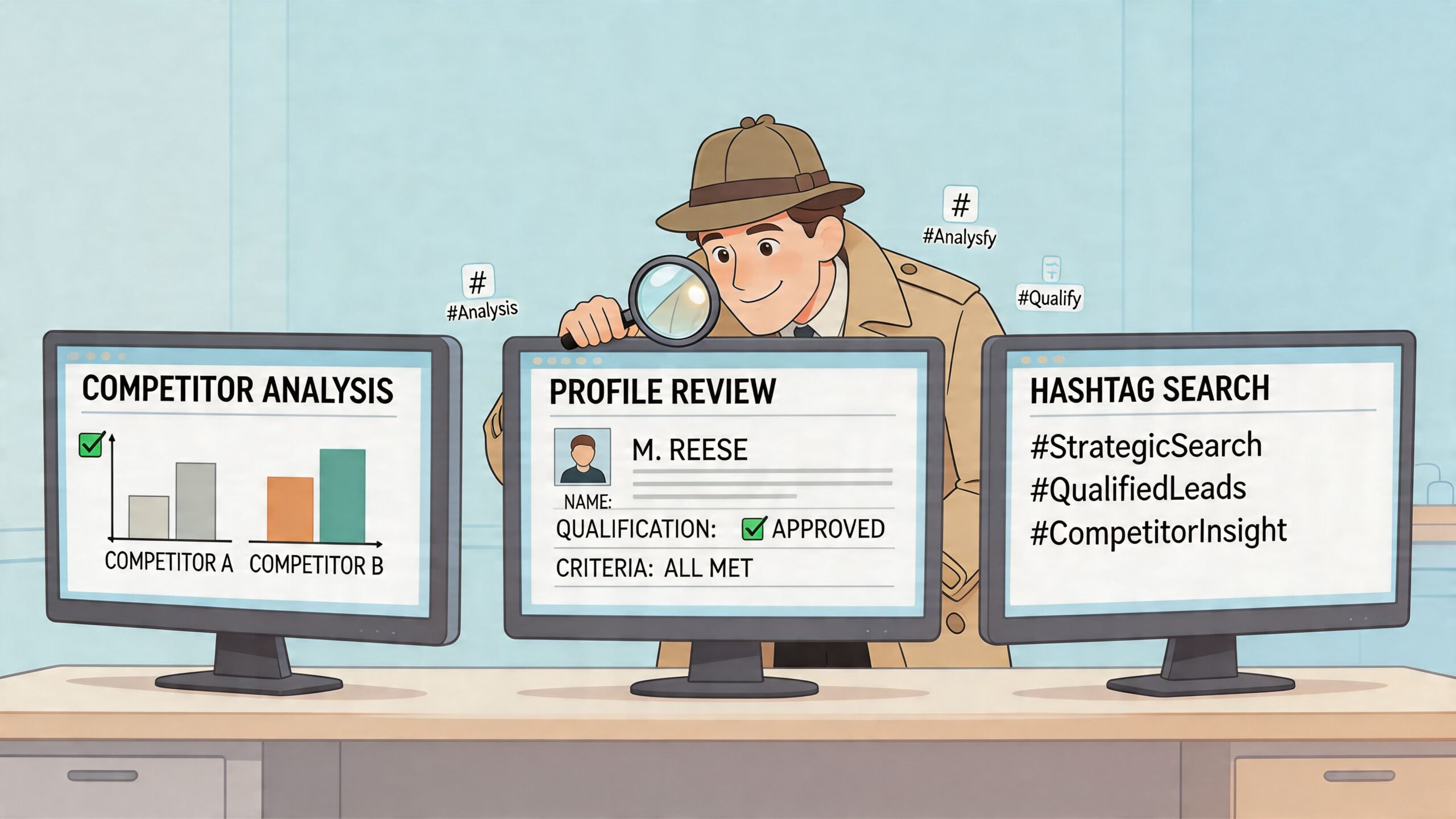
Manual creator discovery works at very small scale. Search hashtags. Review tagged posts. Check competitor ads. Save creators into a spreadsheet. DM them. Follow up. Lose track of half the replies.
That approach breaks quickly.
Start broad, then narrow fast
The first pass should identify fit, not perfection. Look for creators who already speak naturally on camera, demonstrate products clearly, and can match your buyer's tone.
Useful signals include:
- Category familiarity: They don't need to be experts in everything, but they should understand your space.
- On-camera credibility: Their delivery sounds lived-in, not memorized.
- Editing restraint: Good cuts, captions, and pacing without overproducing the content.
- Proof of follow-through: Prior brand work, clean communication, and clear delivery standards.
Technology offers solutions. Platforms built for creator discovery let teams filter by niche, location, engagement patterns, and audience traits. In practice, that removes a lot of wasted time. A system like REACH also helps teams screen for account quality and avoid creators with inflated metrics before outreach starts.
Reliability matters more than most brands admit
A lot of bad UGC campaigns don't fail because the content was poor. They fail because creators vanished, missed dates, or delivered unusable files after receiving product.
That problem is bigger than most tutorials acknowledge. Pitchlo's guide to getting UGC jobs without a portfolio notes that brands frequently complain about creators disappearing after product receipt, and cites a 2026 analysis showing 70% of new applicants are rejected for flakiness, not creativity. The same source highlights practical habits that separate reliable creators, including responding within 24 hours and meeting deadlines strictly.
That's why vetting can't stop at "Does this look good on TikTok?"
Vetting checklist that actually works
Review these areas before you send product or sign terms:
Communication speed
Slow replies in the pitch stage usually don't become fast replies later.Instruction handling
Ask one or two specific questions in your outreach. Reliable creators answer them directly.File delivery discipline
Confirm whether they can provide raw footage, edited versions, alternate hooks, and organized filenames.Content consistency
One great post doesn't matter if everything else is uneven.Brand safety
Review recent posts for tone, claims, and behavior that could create avoidable risk.
A quick walkthrough can help teams tighten this process before they scale discovery:
Red flags that deserve immediate attention
Some issues are manageable. Others should end the conversation.
- Vague answers about deadlines: This usually means missed timelines later.
- Resistance to briefs: Strong creators can add ideas, but they still need to work inside guardrails.
- No clarity on rights or revisions: That confusion gets expensive after content is delivered.
- Portfolio mismatch: Beautiful fashion content doesn't mean they'll sell a supplement or software product well.
The creator who replies clearly, asks smart questions, and delivers on time is usually more valuable than the creator with the flashier feed.
Managing the UGC Partnership Lifecycle
Teams often find they don't need more creators. They require a cleaner operating system for the creators they already hire.
Without one, UGC turns into scattered briefs, revision confusion, delayed approvals, and payment headaches. The fix isn't complicated, but it does require process discipline.
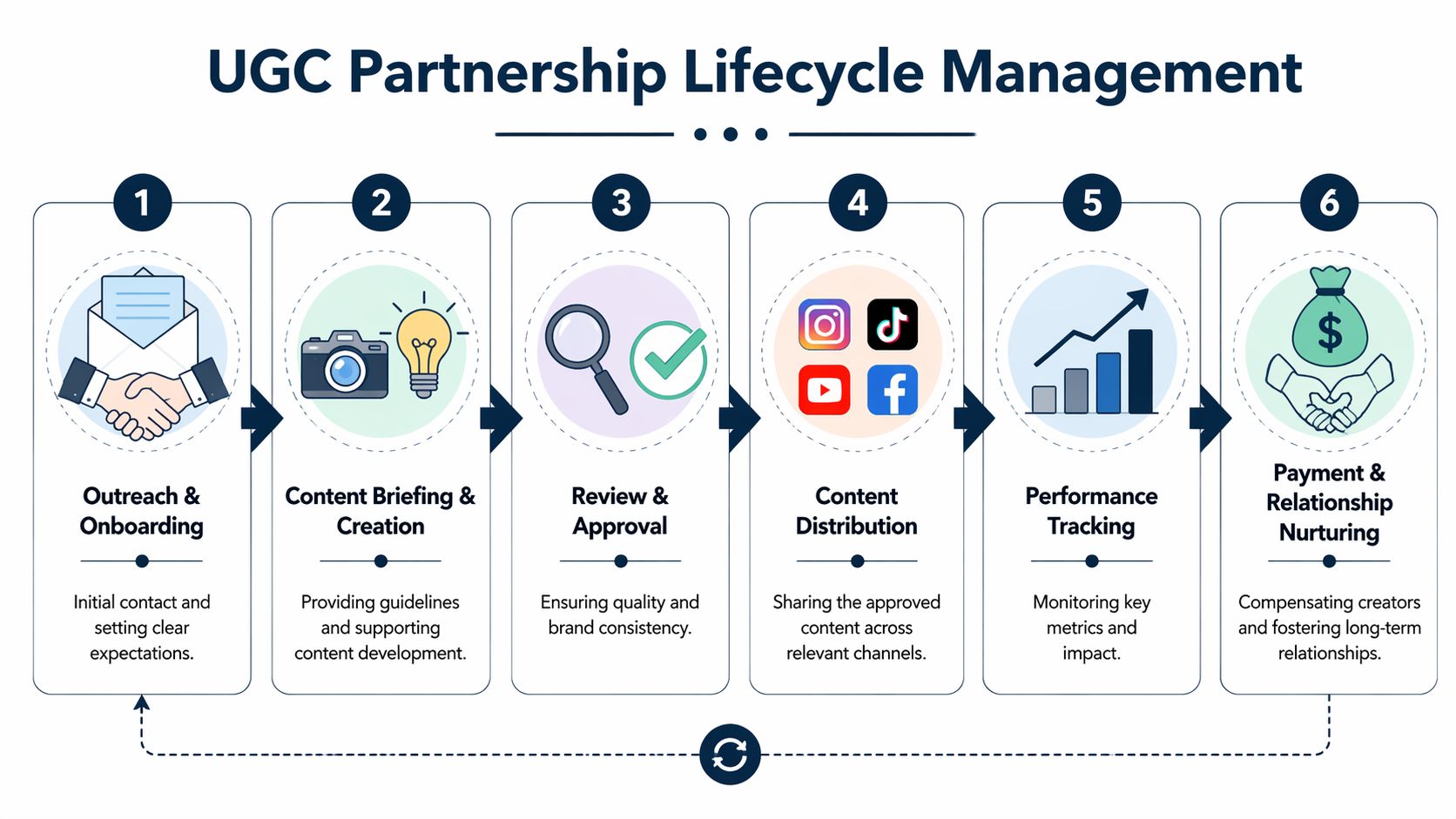
Briefs that produce usable content
A weak brief gives you vague content. An overbearing brief gives you robotic content.
The balance is simple. Specify the essential requirements, then leave room for natural delivery. High-performing briefs usually include the product context, buyer problem, message priorities, required shots, prohibited claims, and delivery format. They should also spell out whether you want raw footage, edited files, alternate hooks, and usage rights.
The most effective briefing details often sound small but matter a lot in execution:
- Hook requirement: Open strong in the first few seconds.
- Shot list: Product in hand, application or use case, reaction, result, and optional close-up.
- Format expectations: Vertical framing, clean audio, readable captions if edited.
- Repurposing intent: Clarify if paid usage, web usage, and organic usage are expected.
Approvals should be centralized
Email threads are where UGC workflows go to die. Version confusion starts fast when multiple marketers, founders, and freelancers review the same asset in different places.
A working approval system needs one source of truth for:
- Draft status
- Feedback and revision notes
- Final approved files
- Usage terms
- Payment status
In certain scenarios, centralized campaign software moves beyond mere convenience, acting instead as a control mechanism. If you're managing several creators at once, a dashboard that tracks outreach, approvals, analytics, payment processing, and tax compliance reduces a lot of preventable mistakes.
AI increases output, which increases operational pressure
The next challenge is volume. Creatify's overview of AI-powered UGC production describes systems that can generate scripts from product reviews, create AI avatars, synthesize voices in 75+ languages, and auto-edit content for platform-specific formats. That workflow reduces production time from hours to minutes, with benchmarks in that source reporting 6.9x higher engagement than brand content and up to 70% savings on creation costs.
The takeaway for brand teams isn't "replace creators." It's that faster content creation raises the bar for content management. If your pipeline produces more drafts, variants, and localized assets, your review and distribution process needs to keep up.
More content only helps if your team can review, approve, store, and deploy it without chaos.
Payment and creator retention
Late payment damages more than goodwill. It lowers response rates for future campaigns and weakens your access to the creators you want to retain.
Reliable operators handle payment terms upfront. That includes compensation model, invoice expectations, tax requirements, milestone timing, and what triggers final payment. If you wait until content is approved to clarify those terms, you're already behind.
Three models are common in practice:
Per-asset fees
Best when deliverables are clear and usage terms are tightly defined.Product plus fee
Works when product experience matters, but product-only deals often attract less reliable participation.Performance bonuses
Useful for repeat partners when the brand can track outcomes and wants to incentivize stronger creative effort.
The brands that scale UGC well don't just "manage creators." They build a repeatable creator operations function.
Measuring Success and Proving UGC ROI
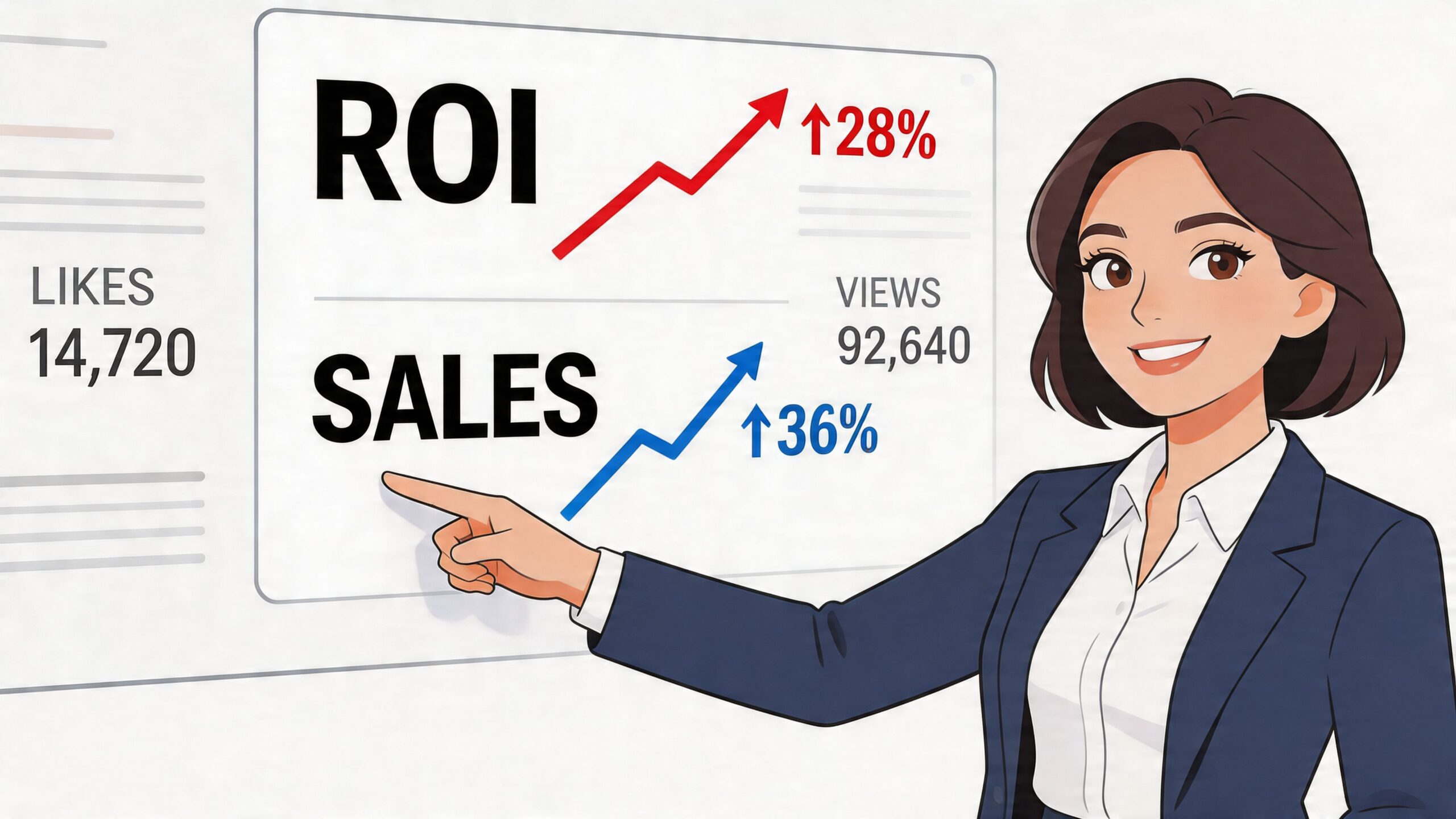
Likes are nice. They aren't enough.
If you want continued budget for ugc content creators, you need to tie content to business outcomes. That means measuring creative performance at the asset level, not just campaign-level vanity metrics.
KPIs that matter
Emplifi's UGC creator resource makes the performance case clearly. It notes that briefing checklists specifying 3-second hooks and perpetual usage rights can drive 50% higher engagement. The same source reports that UGC ads achieve a 4x higher click-through rate, a 50% reduction in cost-per-click, and that integrating UGC on websites can produce a 29% increase in web conversions.
Those are the metrics leadership teams care about because they connect directly to efficiency and revenue.
Track UGC across four layers:
| KPI Area | What to Watch | Why It Matters |
|---|---|---|
| Engagement quality | Saves, shares, comments, watch behavior | Shows whether the creative resonates |
| Traffic efficiency | CTR, landing page engagement | Shows whether the asset drives action |
| Conversion impact | Add-to-cart behavior, sign-ups, purchases | Shows whether the content moves revenue |
| Asset value | Reuse across ads, email, site, and organic | Shows whether the content keeps paying back |
Attribution gets easier when naming is disciplined
A lot of ROI confusion isn't caused by analytics tools. It's caused by bad asset management.
Use naming conventions that tell you the creator, concept, product, hook type, date, and placement intent. If your paid team can't identify which creator angle drove the result, you're wasting the learning.
This is also where teams should learn how to measure content performance in a structured way beyond basic social metrics. The strongest reporting setups compare creative themes, not just creators. Sometimes the winning variable is the opening claim or use case, not the person on camera.
What to report to leadership
Keep reporting simple and commercial. Show:
- Which creator assets drove the strongest click-through
- Which hooks lowered acquisition costs
- Which formats improved on-site conversion
- Which assets earned enough reuse to justify broader rights
For teams building a more formal reporting layer, this guide on content marketing ROI is useful for framing UGC inside broader business performance instead of isolating it as "social content."
Report creative outputs in business language. Leadership doesn't buy more videos. They buy more efficient growth.
Legal Considerations and Scaling Your Program
Most UGC problems don't start in production. They start in the contract.
If a creator delivers a strong asset but your agreement doesn't clearly define usage, edits, term length, and placement rights, you may end up paying twice for the same piece of content. That's avoidable.
Rights, disclosure, and payment documentation
At minimum, your agreement should define where the content can appear, how long you can use it, whether paid media is included, and whether your team can edit or resize the asset. If you want to protect long-term value, ask for broad rights that cover ads, social, website use, and internal repurposing.
You also need clear disclosure rules. If the creator is posting from their own account, sponsorship transparency matters. If they're only delivering assets for your channels, your legal review still needs to address claims, substantiation, and category-specific risks.
For teams brushing up on the basics, this overview of intellectual property protection is a useful refresher on why rights language matters before content goes live.
Scaling without rebuilding from scratch
The easiest way to scale a program is to keep your best creators close. When a creator consistently delivers usable assets on time and within brand guardrails, move them from one-off project status into a repeat roster.
That shift changes everything. You reduce briefing time, improve consistency, and build a real asset library instead of restarting creator discovery every month.
A scalable program usually includes:
- A preferred creator bench: Repeat partners by category and channel need.
- Standardized brief templates: Flexible enough for creativity, structured enough for consistency.
- Rights and payment templates: Fewer legal bottlenecks, less confusion.
- Performance history: Clear records of what each creator has produced and how it performed.
Scaling UGC isn't about adding chaos faster. It's about making repeatable creator partnerships easier to run.
Frequently Asked Questions About UGC Content Creators
A UGC program usually breaks on operations, not creative. The recurring problems are slow approvals, unclear ownership, missing files, payment delays, and weak reporting. Those issues cut into ROI fast, especially once volume increases.
How fast should brands expect UGC creators to deliver?
For a first project, plan for a longer cycle than you want long term. Product shipping, briefing, creator questions, first draft review, and revisions all add time.
Once the workflow is set, repeat creators usually move much faster than new ones. That is one reason mature teams keep a bench of proven creators instead of restarting the process for every campaign.
What should brands store with every UGC asset?
Store the asset, raw files if included, creator name, usage rights, approval status, product featured, key claim, publish date, and performance notes in one place.
Without that record, teams waste time asking basic questions later. Can paid media use this clip? Is the music cleared? Did legal approve that claim? A platform like REACH helps keep those records tied to the creator, the deliverable, the payment, and the reporting, instead of splitting them across email, drive folders, and finance threads.
How do you prevent approval bottlenecks?
Set one owner for creator approvals. Give that person a clear checklist covering brand fit, claim accuracy, framing, audio quality, and deliverable specs.
Too many reviewers slow the process and create conflicting feedback. Keep legal and compliance involved where needed, but avoid sending every asset through a large internal chain unless the category requires it.
What causes UGC programs to lose money?
The biggest cost is unusable output. That usually comes from weak briefs, poor creator matching, slow review cycles, and inconsistent tracking after content goes live.
The second problem is hidden labor. If the team is chasing creators for invoices, searching for usage terms, and manually compiling reports, content costs more than it looks on paper.
Should brands pay per asset, per package, or on retainer?
Each model solves a different problem.
Per-asset pricing works for testing. Package pricing works when you know the content mix you need each month. Retainers make sense for repeat creators who consistently produce assets your team can use across paid social, organic, landing pages, and email.
The trade-off is flexibility versus predictability. Retainers improve planning, but only if the creator has already proven they can deliver at the quality and speed your team needs.
What reporting should a marketing team review every month?
Review output volume, approval rate, time to delivery, cost per usable asset, top-performing hooks, top-performing creators, and asset reuse across channels.
That mix shows more than content performance. It shows whether the program is getting more efficient. A creator who produces average content but always delivers clean files on time may still be more valuable than a creator with one standout ad and constant delays.
When should a brand bring UGC management into a platform?
Bring it into a platform as soon as creator volume creates handoff problems. That usually starts before the team expects it.
If discovery sits in one spreadsheet, briefs in another, approvals in email, files in cloud folders, payments in finance software, and results in slide decks, the process gets expensive to run. Centralizing those steps helps teams protect margins and scale output without adding admin work every week.