 Skip to content

Meta description: A practical guide to the Instagram Partnership Program for brands and creators. Learn the tools, eligibility rules, workflow gaps, and how to run partnerships without chaos.
If you're managing Instagram collaborations in a spreadsheet, your campaign probably already feels harder than it should.
One creator sent final content in DMs. Another approved a brief in email. A third posted, but forgot the paid partnership label. Someone on your team is trying to figure out whether the brand can boost the post, while finance is still waiting for invoice details. This is the normal mess behind a lot of influencer campaigns.
The confusing part is that Instagram does have official partnership tools. They matter. They help with disclosure, permissions, and ad amplification. But they don't run your campaign for you. That's the gap discovered too late.
The Reality of Managing Instagram Partnerships Today
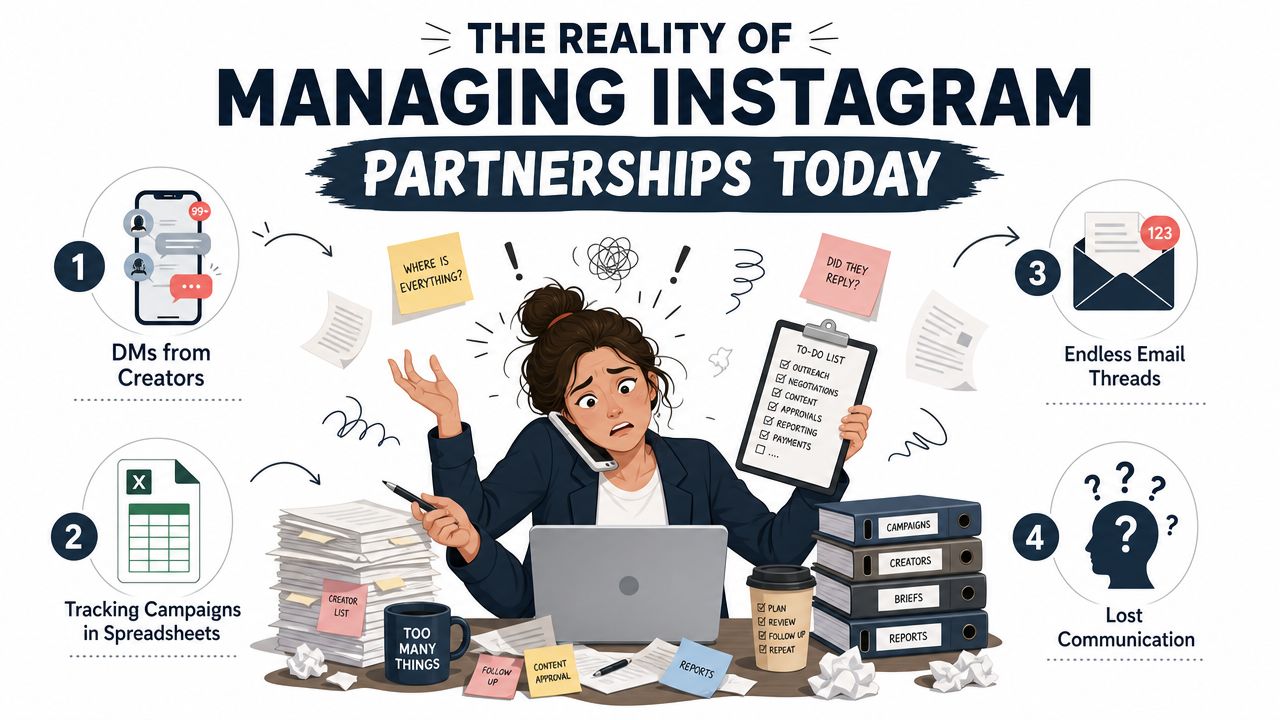
A campaign can look under control right up until launch week. Then the creator posts without the paid partnership tag, the media team asks whether the post is eligible for boosting, legal is still waiting on usage terms, and someone is digging through DMs for the latest version of the brief.
That is a normal Instagram workflow for a lot of brands. The platform gives brands and creators official partnership features, but campaign execution still breaks across inboxes, spreadsheets, approvals, and ad accounts. The friction starts after outreach, not before.
Instagram's scale makes those cracks expensive. According to Business of Apps' Instagram statistics, Instagram generated an estimated $66.9 billion in revenue in 2024 and has more than 2 billion monthly users. Even a modest creator program can turn into a coordination problem quickly.
Where campaigns usually break
The common failure points are operational, not strategic:
- Communication splits immediately: creator DMs, email threads, internal chat, and agency notes rarely stay aligned for long.
- Approvals don't follow one path: brand, legal, and paid social teams review the same asset for different reasons, often on different timelines.
- Publishing mistakes block amplification: the content goes live, but the creator misses the settings or permissions the brand needs later.
- Performance data ends up in pieces: platform insights, screenshots, and paid media reporting sit in separate places and need manual reconciliation.
This is the part many teams underestimate. Instagram handles disclosure and certain permissions inside the app. It does not give marketing teams a reliable system for briefing creators, tracking deliverables, collecting approvals, logging rights, and tying organic creator content to paid campaign reporting.
That distinction matters if you're building a repeatable program instead of running a few one-off posts. For a closer look at the platform-level mechanics, this guide to Instagram branded content tools and workflows covers the native setup well.
What the Instagram Partnership Program solves, and what it doesn't
Instagram's partnership features are useful. They create an official connection between a creator post and a brand, support disclosure, and in some cases make brand-side promotion possible. Those are platform requirements, not optional extras, if a campaign needs transparency and ad amplification.
The gaps show up in day-to-day execution. Instagram does not act as a campaign command center. It will not centralize creator communication, keep briefs and feedback in one place, chase missing assets, or show the full status of every deliverable across a live campaign.
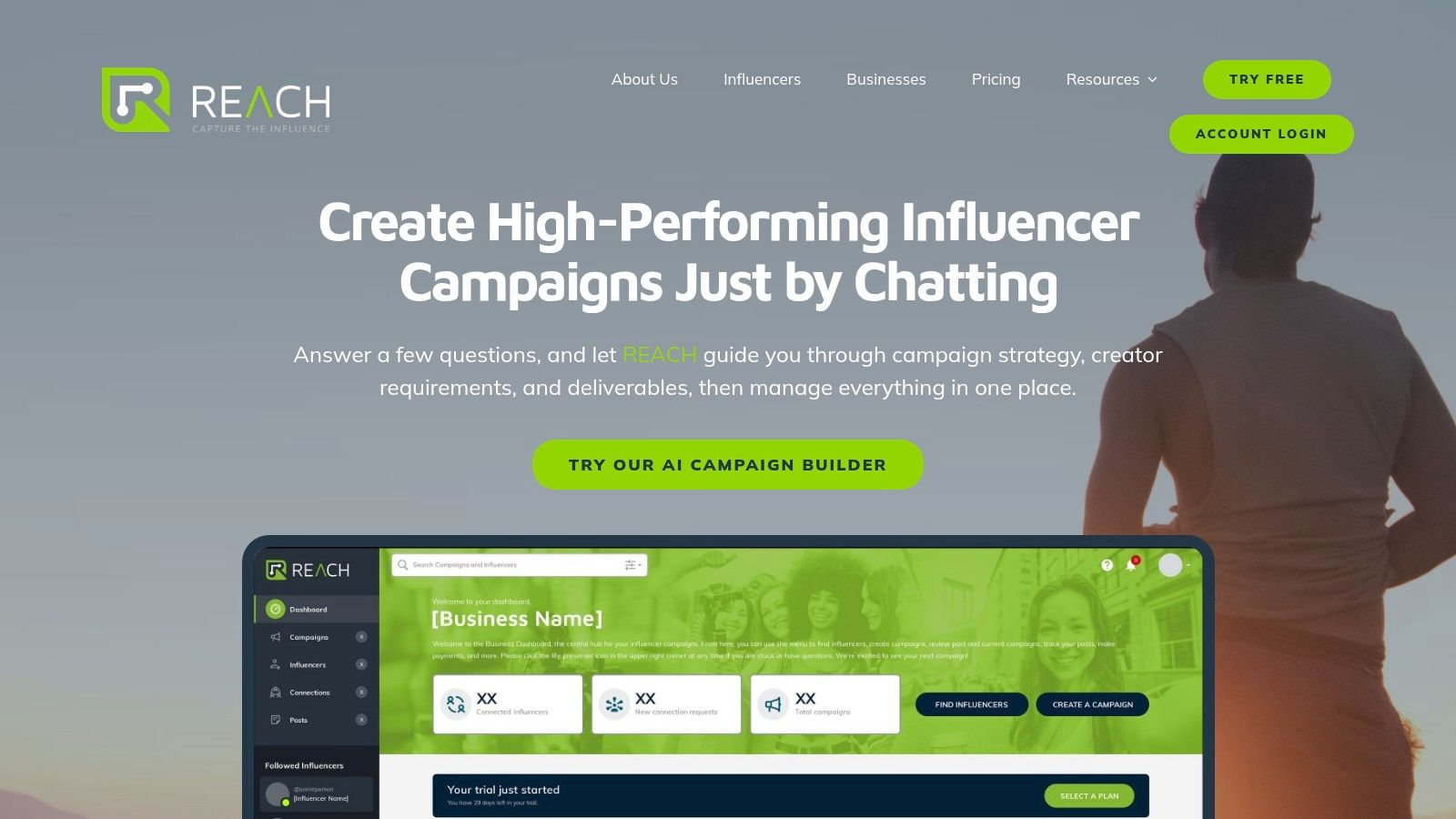
That is why experienced teams add an operational layer on top of Instagram's native tools. REACH fills that role. Instagram handles the on-platform partnership mechanics. REACH handles the work required to run the campaign without chaos.
Decoding Instagrams Partnership Ecosystem
Most confusion around the Instagram Partnership Program comes from people using different terms to describe different layers of the same system.
Some mean the paid partnership label on a post or Story. Some mean Partnership Ads, which let brands promote eligible creator content. Others are talking about Meta's broader partner infrastructure for advertisers and agencies. These aren't the same thing.
The older foundation still matters
Instagram's formal business-partner infrastructure didn't appear overnight. Meta says the official ecosystem began in 2016 with the Instagram Partners Program, which launched with 40 vetted partners across ad tech, community management, and content marketing, as described in Meta's announcement of the Instagram Partners Program launch.
That matters because it explains why today's setup feels split across tools, permissions, and business workflows. Instagram built partnership infrastructure as part of a broader advertiser ecosystem, not as a simple one-click creator management feature.
For marketers trying to understand today's branded content workflow, it helps to separate the terms clearly. If you need a deeper look at sponsored-post mechanics, this guide on Instagram branded content basics is useful.
Instagram partnership terms explained
| Term | What It Is | Who It's For |
|---|---|---|
| Paid Partnership label | The disclosure label a creator adds to identify a commercial relationship on Instagram content | Creators and brands that need visible sponsorship disclosure |
| Partnership Ads | The ad workflow that allows a brand to promote eligible creator content using the required permissions and ad code setup | Paid social teams, brands, agencies |
| Instagram Partners Program | The earlier formal Meta ecosystem of vetted third-party partners supporting advertisers on Instagram | Advertisers looking for approved external support |
| Meta Business Partners ecosystem | The broader network of approved partners and infrastructure around advertising, technology, and campaign support | Brands, agencies, and platform vendors |
The simplest way to think about it
If you're trying to explain this internally, use this framing:
- The label handles disclosure.
- The ad workflow handles amplification.
- The broader partner ecosystem supports advertisers with external tools and services.
Most teams don't struggle because Instagram has no partnership tools. They struggle because Instagram's tools cover only one slice of the campaign lifecycle.
This is why people say "Instagram partnership program" and mean different things. They may be talking about compliance, creator permissions, or third-party support. In practice, your workflow usually touches all three.
Eligibility and How to Enable Partnership Features
The most common technical failure is simple. The creator doesn't have the right account type.
A creator must use an Instagram Professional Account to access the settings needed for partnership workflows. Personal accounts aren't eligible because the Add paid partnership label and Allow brand partner to boost toggles live inside the professional setup. Without those toggles, the ad code process doesn't work.
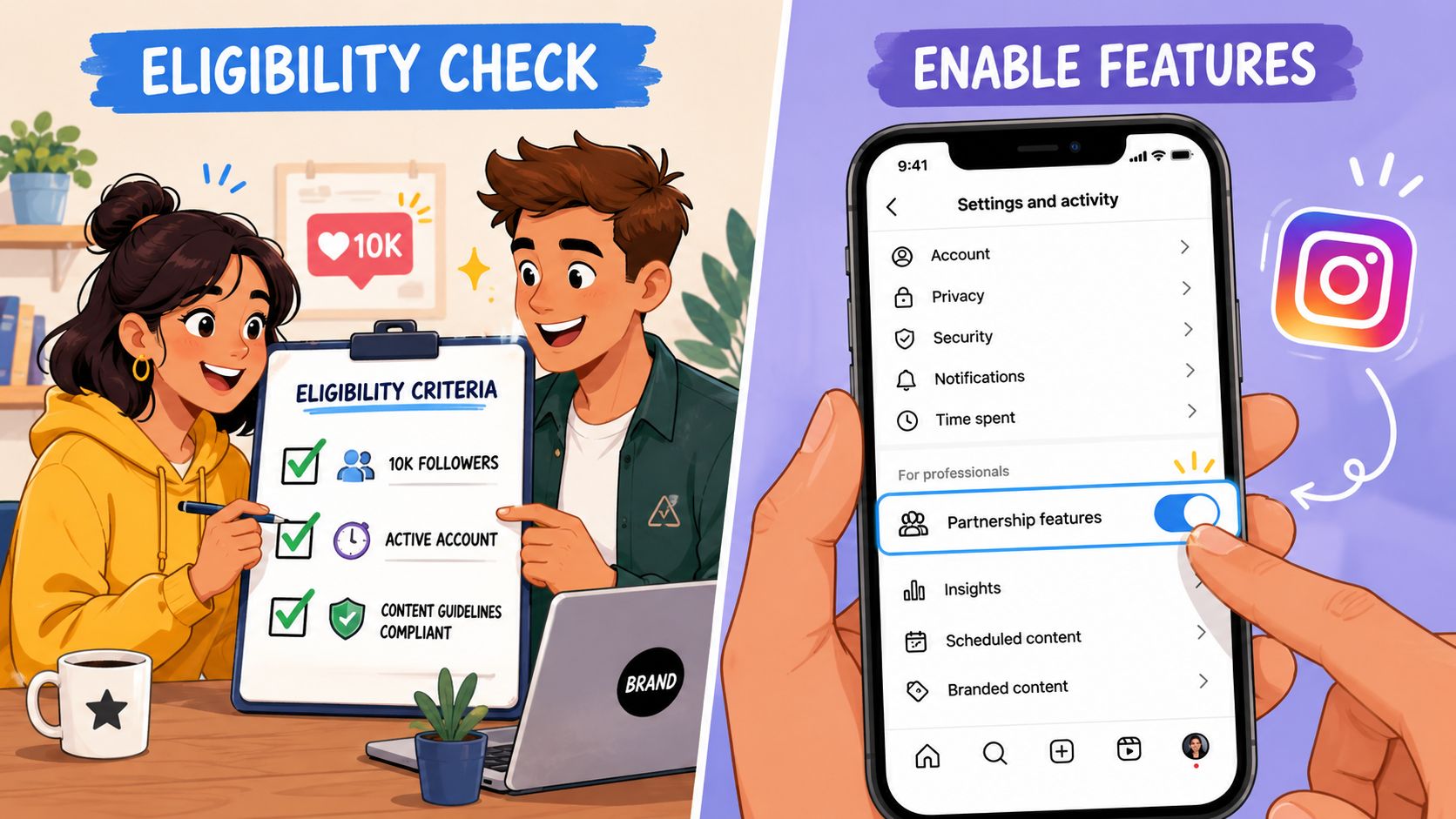
If a creator isn't sure what account they're using, this breakdown of Instagram account types makes the distinction easy to check.
What brands should verify before content goes live
Before a creator posts anything, confirm these basics:
Professional account status
The creator needs a Professional Instagram account, not a personal profile.Partnership settings availability
They should be able to add the paid partnership label and allow the brand partner to boost.Brand identity match
The creator needs to select the correct brand partner inside the labeling flow. A naming mismatch can create unnecessary confusion later.Ad intent
If the brand wants to run the post as an ad, that needs to be clear before publishing. Fixing permissions after the post goes live can slow everything down.
The creator-side workflow
The creator's part is straightforward when setup is correct. They publish the post or Story, turn on the paid partnership label, and enable the setting that allows the brand partner to boost the content. That permission is what supports the ad activation workflow.
The key operational lesson is that the creator controls an important part of the setup. If they skip the label or the boost permission, the paid media team can't just patch it from the brand side.
A visual walkthrough can help if you're training creators or junior team members:
What happens next in ads
Once the creator has published correctly and enabled the required permissions, the brand can use the ad code workflow in Meta Ads Manager for campaign execution. At this point, many teams wrongly assume Instagram has "full campaign management." It doesn't.
If you plan to boost creator content, check account type and permissions before you approve the brief. That's the easiest place to prevent launch-day delays.
Benefits and Limitations of the Program
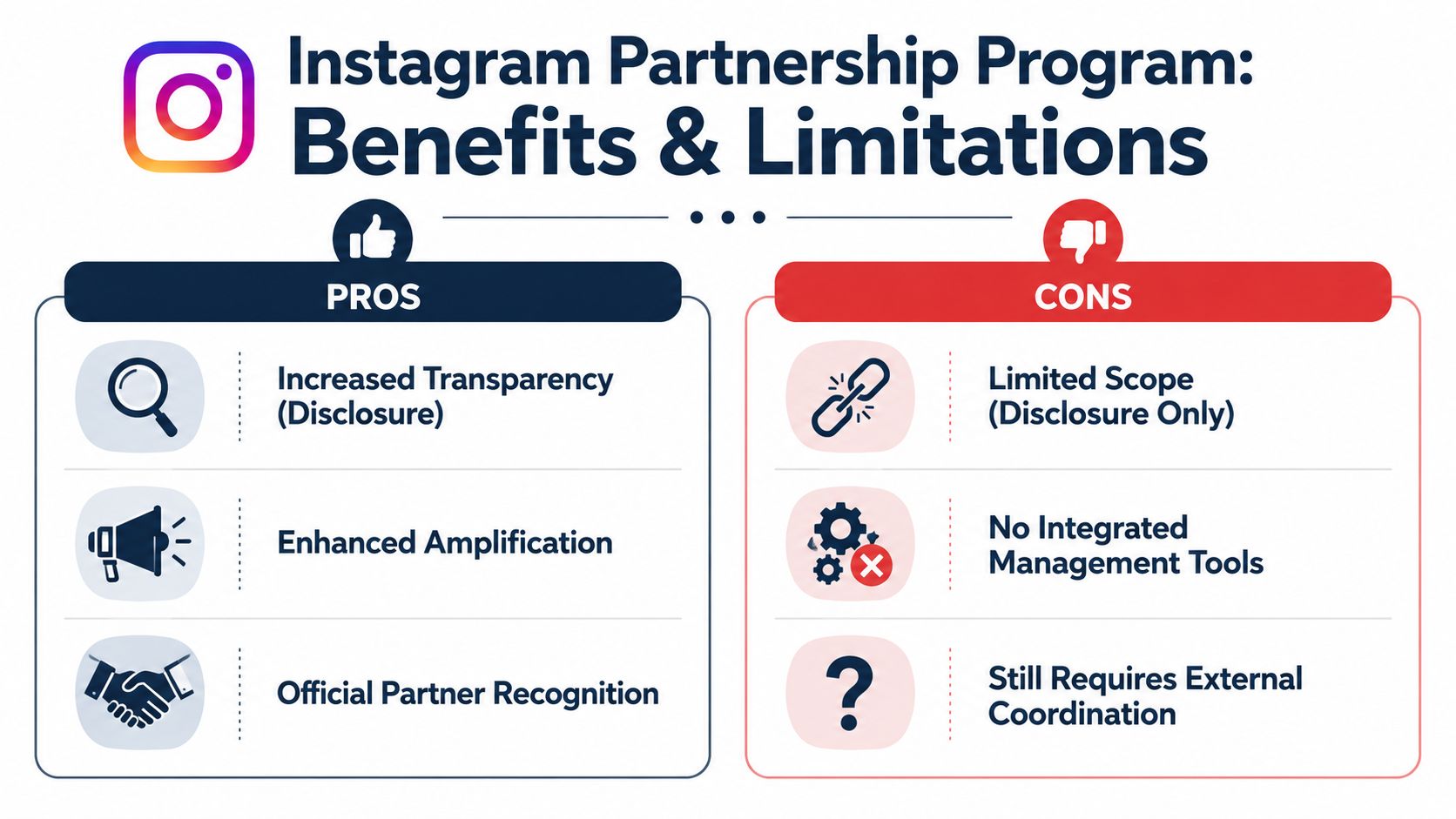
The Instagram Partnership Program is worth using. It creates a cleaner record of the commercial relationship, helps align creator content with brand promotion, and supports shared insight access in the branded content workflow.
That said, marketers often expect more from it than it delivers.
What works well
The strongest benefits are practical:
- Disclosure is built into the content flow: audiences can see that the relationship is sponsored.
- Brands can extend strong creator content: eligible posts can move into paid amplification workflows.
- Shared visibility is better than screenshots: the native system is more reliable than passing metrics around manually.
Where it stops helping
The limitations are just as important:
| Benefit | Limitation |
|---|---|
| Native disclosure tools | No creator sourcing or outreach management |
| Brand boosting permissions | No contract or usage-rights workflow |
| Shared branded-content signals | No built-in approval pipeline |
| Official in-platform setup | No payment or admin coordination |
This is the difference many teams miss. Instagram handles the post-level relationship. It doesn't manage the campaign around that relationship.
The reach question creators keep asking
One of the biggest unresolved anxieties is whether the paid partnership tag hurts organic performance. Instagram's public guidance around branded content focuses on transparency and shared insights, but it doesn't clearly confirm or deny that the label itself changes distribution. That gap is visible in Instagram's own creator-facing discussion about whether the paid partnership tag hurts reach.
So the honest answer is simple. The label enables useful features and makes sponsorship visible. What isn't clearly documented is whether the tag alone affects ranking.
Don't promise creators that the label is reach-neutral. Don't claim it suppresses reach either. What we know is narrower than what people assume.
Best Practices for a Successful Instagram Partnership
The technical setup is only half the job. Campaigns usually fail because of weak pre-checks, vague briefs, or compliance issues that nobody caught before launch.
Screen creators like an operator, not a fan
Meta's partnership rules require a genuine follower base and an established presence. The system can reject partnership ad codes if the creator's post violates content policies or if the account is flagged for artificially inflated followers. When that happens, campaign launch stops.
That means brands need to vet more than aesthetics. A polished feed isn't enough.
Use a simple review lens:
- Audience quality: look for signs of real community interaction, not just surface-level follower volume.
- Content safety: avoid creators whose posts drift into risky claims, misinformation, or restricted categories.
- Consistency: choose creators who can reliably follow posting instructions and approval rules.
If you need a plain-language resource on how creators can grow your Instagram following authentically, that guide is useful because it reinforces the same operational point. Authentic audience building matters long before a brand deal is on the table.
Write briefs that remove ambiguity
A good Instagram partnership brief should answer the questions creators usually ask after the kickoff call, not before it.
Include:
- Deliverable format: Reel, Story, static post, or a mix
- Disclosure expectation: specify that the paid partnership label must be used where required
- Boosting rights: state whether the brand wants permission to promote the post
- Review process: say who approves, what can change, and what cannot
- Usage scope: define whether the content will stay organic-only or move into paid use
Clear briefs don't make campaigns feel rigid. They reduce last-minute corrections that frustrate both the brand and the creator.
Match creators to the job, not just the vanity metrics
Smaller creators can work very well when the brand has a clear niche and realistic expectations. For Story-heavy campaigns or region-specific launches, audience composition can matter more than broad visibility. The right creator is often the one who fits the market, understands the product, and can repeat the process cleanly.
The best long-term partnerships usually come from repeatable workflows. The creator knows the approval path. The brand knows what to expect. Fewer things get reinvented each time.
Operationalize Your Partnerships with a Campaign Command Center
Instagram's native partnership tools are necessary. They are not enough.
Use them for what they're good at. Disclosure. permissions. branded content activation. Then build the actual campaign operation somewhere that can handle the messy middle of influencer work.
What breaks when you scale manually
The more creators you manage, the more fragile the spreadsheet method becomes. You start missing approvals. Payment follow-up gets buried. Usage terms live in old email threads. Nobody is sure which post is final.
That is also why teams should think carefully about vetting third-party vendors when they add outside tools or agencies into the workflow. Operational risk doesn't come only from creators. It also comes from disconnected systems and unclear ownership.
What a real command center should do
A proper campaign system should centralize the work Instagram doesn't manage well:
- Campaign setup: one place for briefs, deliverables, approvals, and timelines
- Communication: fewer lost instructions across DMs and email
- Tracking: a live view of who posted, what's pending, and what needs revision
- Admin: payment coordination and compliance tasks handled without side spreadsheets
A social team also needs visibility across channels, not just Instagram. That's where a consolidated social media dashboard for influencer campaigns becomes more useful than platform-native tools alone.
The Instagram Partnership Program is a good piece of infrastructure. Treat it as infrastructure. Serious teams still need a command center that manages the workflow around it.
If you're tired of running Instagram partnerships through DMs, spreadsheets, and scattered approvals, REACH gives you a cleaner way to execute. It helps brands and agencies organize deliverables, streamline communication, track campaigns from one dashboard, and handle the operational work Instagram doesn't cover.