
Influencer marketing has evolved far beyond simple sponsored posts. Today, the most successful brands working with influencers don't just hire creators; they build authentic partnerships, launch movements, and co-create products that captivate audiences. But what separates a viral, high-ROI campaign from a forgettable one? It's all in the strategy. This isn't just about finding someone with a large follower count; it's about integrating creator partnerships into a larger ecosystem.
We're diving deep into 10 iconic examples, breaking down the exact tactics they used to achieve explosive growth. These campaigns often blend influencer content with sophisticated social selling strategies to turn audience engagement directly into revenue. From grassroots community-building to billion-dollar founder-led empires, these case studies provide a strategic blueprint you can adapt for your own marketing efforts.
Forget the surface-level success stories. This article is a tactical guide designed to give you a behind-the-scenes look at the specific, replicable methods that drive real results. You will learn not just what these brands did, but why it worked and how you can apply these lessons to your own campaigns. Let’s get started.
1. Daniel Wellington & Fashion Influencers Partnership
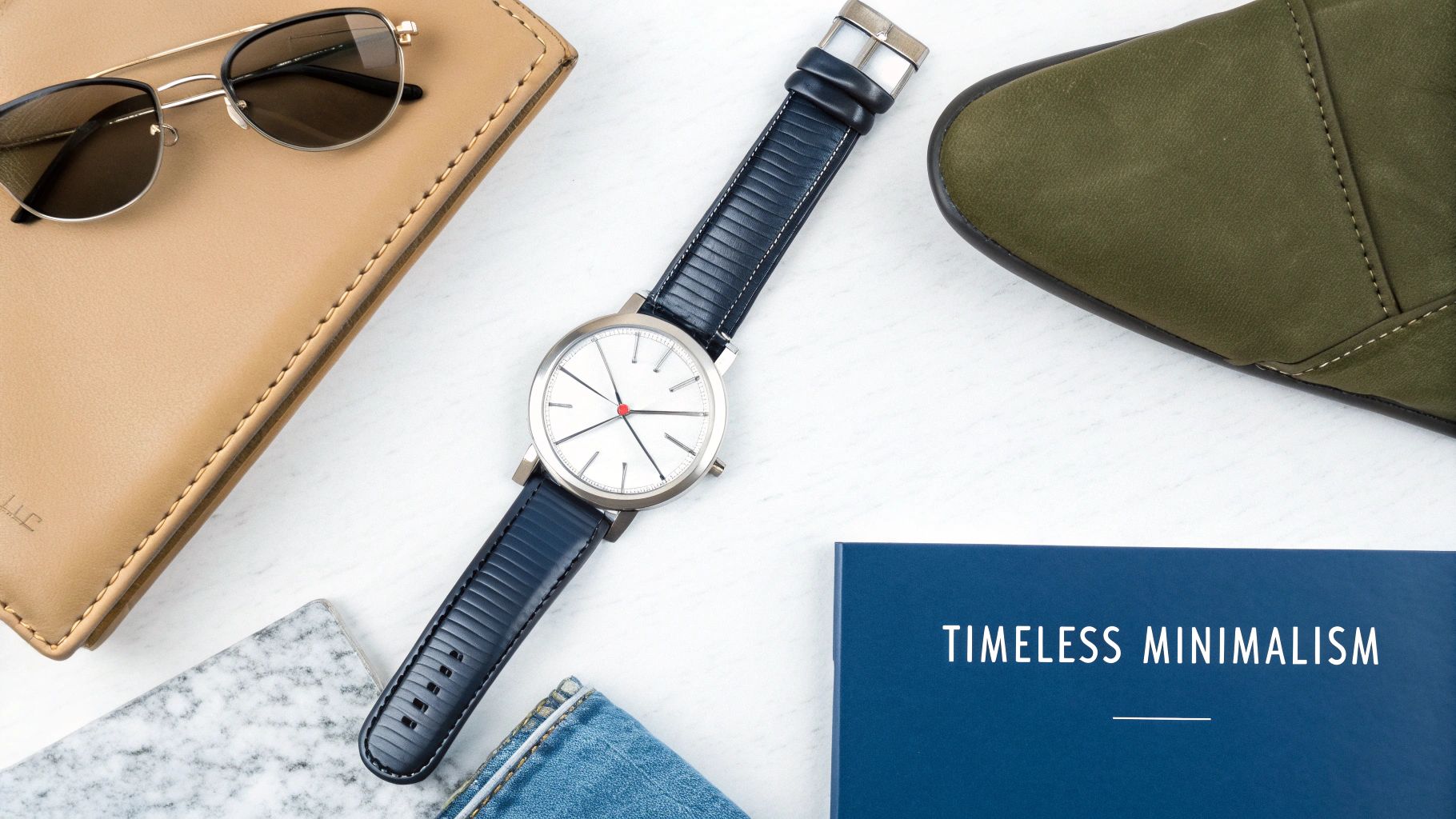
Daniel Wellington (DW) pioneered a product-seeding strategy that became the gold standard for many direct-to-consumer brands. Instead of paying large upfront fees, DW gifted their minimalist watches to a massive network of fashion micro-influencers. The core idea was to trade a physical product for exposure, creating an authentic, widespread presence on platforms like Instagram.
This approach transformed the brand into an omnipresent accessory in fashion feeds. The sheer volume of posts from diverse influencers created a powerful sense of social proof, making the watches seem like a must-have item for a stylish lifestyle.
Strategic Breakdown
Daniel Wellington’s success wasn't accidental; it was a carefully executed plan. The brand focused on aesthetic alignment over follower count, ensuring every influencer's content matched their clean, aspirational branding. This created a cohesive and instantly recognizable campaign.
They also mastered tracking and scalability by providing each influencer with a unique discount code. This simple tactic not only incentivized followers to purchase but also allowed DW to directly measure the ROI of each partnership, identifying top performers for future collaborations. The use of the consistent hashtag #DanielWellington further amplified their reach, turning individual posts into a massive, user-generated lookbook.
Actionable Takeaways
- Prioritize Aesthetic Fit: Select influencers whose personal brand and content style naturally align with your own. A consistent look and feel across all posts are more powerful than a single post from a huge but misaligned creator.
- Implement Unique Tracking Codes: Provide every influencer with a unique promo code. This is one of the simplest yet most effective ways to track direct sales and measure the tangible impact of each partner.
- Build a Community, Not Just a Campaign: Focus on creating long-term relationships. DW often re-engaged successful influencers, making them feel like true brand ambassadors rather than one-time advertisers. This fosters loyalty and more authentic content over time.
2. Kylie Cosmetics & Kylie Jenner Self-Promotion
Kylie Cosmetics is a prime example of a founder-led influencer strategy, where the brand is built entirely around the personal brand of its creator. Kylie Jenner leveraged her colossal social media following as a built-in marketing engine, turning her personal life and aesthetic into the core of her company’s identity. This approach blurs the line between personal content and advertising, creating a highly effective and direct sales channel.
This model bypasses traditional influencer outreach by having the founder serve as the primary, most authentic brand ambassador. Product launches, tutorials, and behind-the-scenes content are shared directly with a loyal audience, creating immense hype and driving sales, like the original Lip Kit launch that sold out in minutes. This is one of the most powerful examples of how brands working with influencers can evolve when the founder is the influencer.
Strategic Breakdown
The success of Kylie Cosmetics hinges on the seamless integration of product and personality. Jenner uses her platforms to tell a continuous story where her products are central to her lifestyle. The strategy revolves around creating scarcity with limited-edition drops and “sold out” announcements, which fuels urgency and demand among her followers.
Furthermore, direct engagement through Instagram Stories, Q&As, and live videos makes her audience feel connected and involved in the brand’s journey. By showcasing the products in her daily life, she provides constant social proof. This authentic, always-on promotion transforms her social media profiles into the most valuable marketing asset the company possesses, building a brand that feels both aspirational and personal.
Actionable Takeaways
- Integrate Product into a Personal Narrative: If you are a founder-influencer, weave your products into your daily life stories. Authentic use is more compelling than a straightforward sales pitch.
- Manufacture Hype Through Scarcity: Use limited releases and time-sensitive offers to create a sense of urgency. Announcing sell-outs reinforces product desirability and encourages faster purchasing in the future.
- Engage Directly and Consistently: Use interactive features like polls, Q&As, and live sessions to build a strong community. Direct interaction fosters loyalty and makes your audience feel like valued insiders.
3. GoPro & Adventure Content Creator Partnerships
GoPro’s influencer marketing strategy is built on a simple yet brilliant premise: put their cameras in the hands of the world’s most exciting people. By partnering with extreme sports athletes and adventure content creators, GoPro transformed its customers into its most powerful marketing engine. Instead of just telling people what their cameras could do, they showed them through thrilling, authentic user-generated content.
This approach positioned the GoPro camera not just as a product, but as an essential tool for capturing and sharing life's most adventurous moments. The stunning visuals created by athletes like Brandon Semenuk and Alex Honnold collaborators became viral sensations, demonstrating the camera's capabilities in a way no traditional ad ever could.

Strategic Breakdown
GoPro's genius lies in its focus on storytelling over direct promotion. The brand gives creators immense creative freedom, trusting them to produce authentic content that resonates with their shared audience. The goal isn't to create an ad; it's to inspire awe and associate the GoPro brand with incredible experiences.
Furthermore, GoPro created a powerful content ecosystem by centralizing the best user-generated footage on its own channels, like its YouTube channel with over 10 million subscribers. This amplifies the creators' work while continuously supplying the brand with high-quality, engaging marketing material, a symbiotic relationship that fuels both parties' growth.
Actionable Takeaways
- Empower Your Creators: Trust your influencers to tell compelling stories. Provide them with the tools and creative freedom they need, focusing on brand alignment rather than strict scripts.
- Build a Content Hub: Create a centralized platform, like a YouTube channel or Instagram feature account, to showcase the best content from your community. This amplifies creators and provides you with a steady stream of authentic marketing assets.
- Focus on Shared Values: Partner with creators whose audience and personal brand values mirror your own. For GoPro, this meant aligning with the spirit of adventure, courage, and high-octane action.
4. Fashionova & Curvy Model Influencer Strategy
Fashion Nova disrupted the fashion industry by building its empire almost entirely through influencer marketing, specifically by partnering with curvy and plus-size models. Instead of chasing A-list celebrities, the brand cultivated a massive network of thousands of micro and mid-tier influencers, creating an authentic, body-positive movement that resonated deeply with underserved audiences.
This strategy flooded social media feeds with images of real, diverse body types confidently wearing their trendy and affordable clothing. The constant stream of user-generated-style content from relatable creators built a powerful sense of community and made Fashion Nova synonymous with inclusive, fast fashion.
Strategic Breakdown
Fashion Nova’s strategy was rooted in representation and volume. By collaborating with influencers like Tabria Majors and Iskra Lawrence, they authentically celebrated body types often ignored by mainstream brands. This focus on inclusivity wasn't just a talking point; it was their core acquisition model, attracting a fiercely loyal customer base.
The brand scaled this approach by working with thousands of influencers simultaneously, creating an omnipresent "social proof" machine. They provided partners with free clothing and unique discount codes, enabling them to track performance meticulously and identify top-performing creators for bigger campaigns. The sheer number of posts from their #NovaBabes made it impossible to scroll through Instagram without seeing their products.
Actionable Takeaways
- Champion an Underserved Audience: Identify a community that is underrepresented in your market. Building your brand around their needs and values can create powerful, lasting loyalty.
- Scale with Micro-influencers: Partner with a large volume of smaller creators to maximize reach and authenticity. This approach often yields higher engagement and a better ROI than a few expensive macro-influencer campaigns.
- Turn Advocacy into a Community: Foster a sense of belonging with a unique hashtag and by actively engaging with your influencers' content. When creators and their followers feel seen, they become genuine brand advocates.
5. Glossier & Beauty Influencer Co-Creation Model
Glossier shifted the paradigm of influencer marketing from simple promotion to genuine co-creation. Born from the beauty blog Into the Gloss, the brand was built on community feedback, treating influencers and everyday users as integral partners in product development. Instead of just sending products for review, Glossier actively involved creators in the entire process, from ideation to launch.
This collaborative approach created an unparalleled sense of ownership and authenticity. Influencers weren't just advertising a product; they were championing a brand they helped build. This deep integration turned creators into fiercely loyal brand evangelists, and their followers recognized and rewarded that genuine connection, helping Glossier achieve a valuation of over $1.8 billion largely through this community-first model.
Strategic Breakdown
Glossier’s strategy hinges on transforming influencers into brand stakeholders. By involving them in crucial decisions, like naming products or refining formulas for collections like G Suit, the brand ensures its offerings are perfectly aligned with market desires. This turns promotional content into a celebration of a shared achievement.
Furthermore, Glossier leveraged its blog, Into the Gloss, as a massive focus group and feedback engine. This platform institutionalized the conversation, allowing for continuous dialogue and co-creation at scale. This constant feedback loop blurs the lines between brand, creator, and consumer, solidifying Glossier’s position as a truly community-driven force in the beauty industry. This model is a prime example of how brands working with influencers can leverage the power of user-generated content.
Actionable Takeaways
- Involve Influencers Early: Don't wait until a product is finished. Bring key creators into the development process for feedback on formulas, packaging, and marketing angles.
- Create Formal Feedback Channels: Establish dedicated platforms like a private Slack channel, an advisory board, or community forums to gather structured input from your most trusted creators.
- Give Credit and Recognition: Publicly acknowledge and celebrate the influencers who contributed to a product launch. This validates their role and shows your audience the partnership is authentic.
6. Nike & Athlete Influencer Endorsement Evolution
Nike masterfully transitioned its legendary athlete endorsement model into the digital age, demonstrating how legacy brands can dominate influencer marketing. The brand blends high-profile partnerships with sports icons like LeBron James and Serena Williams with a vast network of micro-influencers to create an ecosystem of motivation and authenticity.
This dual approach allows Nike to capture massive, headline-grabbing attention while simultaneously building grassroots communities. Campaigns like Colin Kaepernick’s "Just Do It" ad generated immense cultural conversation, while collaborations with hundreds of fitness creators offer relatable, everyday inspiration, proving that brands working with influencers can operate successfully at every scale.
Strategic Breakdown
Nike’s strategy hinges on value alignment and long-term storytelling. Instead of one-off promotions, they build multi-year partnerships with athletes whose personal narratives and values mirror the brand's "Just Do It" ethos. This creates a deep, credible connection that resonates far beyond a single product launch.
Furthermore, Nike empowers its influencers to share their authentic training journeys, struggles, and triumphs. This behind-the-scenes content fosters a stronger connection with audiences, moving the partnership from a simple endorsement to a shared story. By leveraging both macro-level icons for inspiration and micro-level creators for community building, Nike maintains cultural relevance and deep niche engagement simultaneously.
Actionable Takeaways
- Choose Partners for Value Alignment: Look beyond follower counts and select influencers whose core beliefs and personal story genuinely connect with your brand's mission.
- Empower Authentic Storytelling: Give creators the freedom to share their own perspectives and experiences. Content that reflects an influencer's real journey builds more trust than a scripted advertisement.
- Build Long-Term Relationships: Prioritize consistent, multi-year partnerships to build credibility. An influencer who grows with your brand becomes a more believable and powerful advocate over time.
7. Sephora & Beauty Influencer Ambassador Program
Sephora built a powerful, multi-tiered ambassador program that transformed beauty influencers into a scalable sales force. Rather than focusing only on macro-celebrities, the Sephora Squad program embraces creators of all sizes, from nano-influencers to professional makeup artists. This inclusive approach creates a vast, authentic network that drives sales both online and in-store.
The program formalizes partnerships by offering exclusive products, early access to launches, and commission-based incentives. This structure turns passionate brand fans into dedicated advocates, generating a constant stream of trusted, user-generated content. With influencer-driven posts accounting for a significant portion of their social media engagement, Sephora has mastered how brands working with influencers can create a thriving ecosystem.
Strategic Breakdown
Sephora's strategy revolves around structure and scale. The #SephoraSquad is an annual program where influencers apply to become official partners. This creates a sense of exclusivity and ensures a fresh roster of diverse voices each year, reflecting the brand’s commitment to inclusivity.
The program is built on a tiered system that provides clear incentives and growth paths for its members. By offering commissions, Sephora directly links influencer activity to sales, making the ROI of each partnership measurable. They further nurture this community with exclusive events and training, equipping ambassadors with the tools and knowledge to create high-impact content that aligns perfectly with Sephora’s brand standards.
Actionable Takeaways
- Create a Tiered System: Structure your program with clear levels based on follower count, engagement, or sales. This provides a scalable framework for compensation and incentivizes influencers to grow with your brand. Learn more about how to structure ambassador programs for brands.
- Provide Value Beyond Products: Offer exclusive access, training, and community events. Investing in your ambassadors' development fosters loyalty and empowers them to become more effective brand storytellers.
- Establish Clear Guidelines and Support: Equip your ambassadors with brand guidelines, content templates, and easy-to-use tracking links. This ensures brand consistency while making it simple for influencers to promote your products and earn commissions.
8. Airbnb & Travel Influencer Content Series
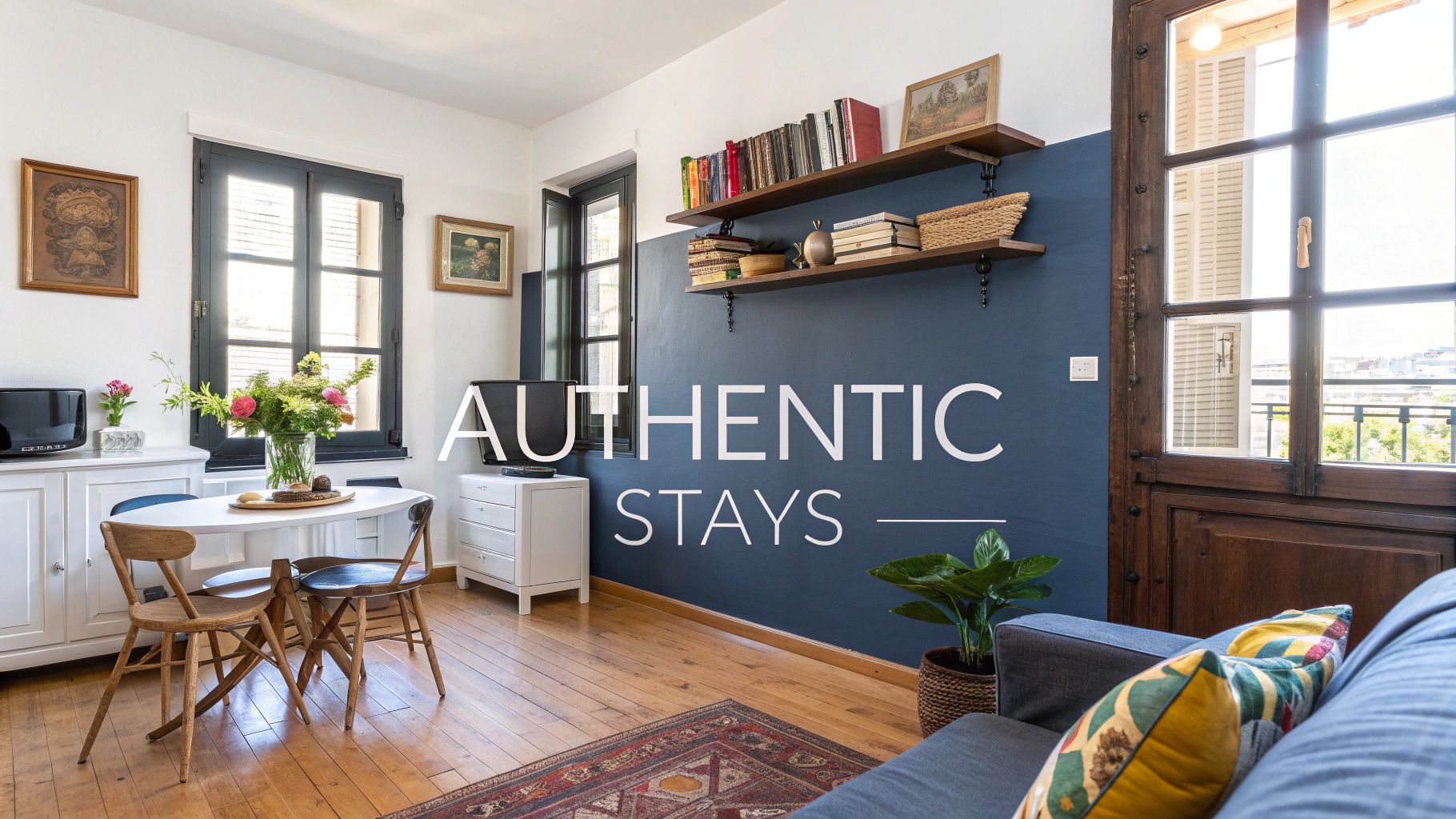
Airbnb mastered influencer marketing by transforming its properties into destinations for authentic content creation. Instead of merely promoting rentals, the brand partnered with travel influencers like Lost LeBlanc and The Bucket List Family to create compelling stories and visual diaries. By offering stays in unique homes, Airbnb generated a massive library of high-quality, user-generated content that felt more like a travel documentary than an advertisement.
This strategy positioned Airbnb not just as a booking platform but as a facilitator of genuine, aspirational travel experiences. Influencers showcased unique properties and local adventures, driving bookings by selling the dream of "living there," even if just for a weekend. The result was a constant stream of diverse content that made potential travelers feel like they were getting a recommendation from a trusted friend.
Strategic Breakdown
Airbnb's approach was built on experiential marketing rather than direct promotion. The brand gave influencers like Hey Nadine significant creative freedom, allowing them to craft narratives that aligned with their audience's interests. This focus on authentic storytelling ensured the content was engaging and resonated deeply with viewers, generating millions of views on platforms like YouTube.
Furthermore, Airbnb leveraged the content across its own channels, repurposing influencer photos and videos for its official Instagram, blog, and ad campaigns. This created a cohesive and powerful marketing ecosystem where influencer content fueled the brand’s entire digital presence, proving how effective brands working with influencers can be for building a global community.
Actionable Takeaways
- Empower Creative Freedom: Trust your influencers. Give them the flexibility to create content in their own voice, as this leads to more authentic and engaging stories that resonate with their followers.
- Focus on Experiences, Not Just Products: Instead of asking for a simple product review, facilitate a memorable experience. The stories that emerge will be far more compelling and shareable.
- Repurpose Influencer Content: Secure the rights to use influencer-generated content across your own marketing channels. This maximizes your ROI and provides a steady stream of authentic visuals for social media, ads, and your website.
9. Gymshark & Fitness Community Creator Economy
Gymshark built its billion-dollar empire not on traditional advertising, but by cultivating a grassroots community of fitness creators. From its early days, the brand identified and partnered with passionate, up-and-coming gym enthusiasts, providing them with free apparel to wear during their workouts. This strategy transformed influencers into genuine brand ambassadors who authentically integrated Gymshark into their fitness journeys.
Instead of paying for single posts, Gymshark focused on building long-term relationships, creating a loyal army of creators. This approach generated a constant stream of user-generated content that felt more like a recommendation from a trusted workout partner than a paid ad. The result was a powerful, cult-like following that saw Gymshark as an essential part of the fitness lifestyle.
Strategic Breakdown
Gymshark’s strategy was centered on community building and authentic integration. They chose partners based on their passion for fitness and genuine connection with their audience, not just their follower count. This ensured that every piece of content resonated with the target demographic in a way that felt real and aspirational.
The brand empowered its ambassadors, known as "Gymshark Athletes," by providing them with affiliate programs, exclusive product drops, and invitations to community events. This made the creators feel valued and deeply invested in the brand's success. The prominent featuring of ambassador content on Gymshark’s own social channels created a symbiotic relationship, amplifying the creators' reach while providing endless social proof for the brand. These collaborations are a prime example of how fitness influencers are shaping the health industry.
Actionable Takeaways
- Empower True Fans: Identify micro-influencers who already love and use your product. A partnership built on genuine affinity will always produce more authentic and effective content.
- Build a Community, Not Just a Roster: Foster a sense of belonging among your influencers. Create exclusive groups, host events, and offer perks beyond payment to make them feel like integral parts of your brand.
- Integrate, Don't Interrupt: Encourage creators to integrate your product naturally into their existing content format. For Gymshark, this meant showing the apparel in action during real workouts, which is far more powerful than a staged photoshoot.
10. Monster Energy & Extreme Sports Athlete Sponsorship Ecosystem
Monster Energy built an empire not just by selling drinks, but by embedding itself into the DNA of extreme sports culture. Instead of traditional advertising, the brand created a vast ecosystem of sponsorships, partnering with hundreds of athletes in niche communities like motocross, skateboarding, and esports. They sponsor events, create original content, and support athletes from the grassroots to the professional level.
This strategy transformed the Monster logo into a badge of honor within these subcultures. By authentically supporting the passions of their target audience, the brand became synonymous with high-energy, adrenaline-fueled lifestyles. Their logo is now a fixture at every major action sports event, from the X Games to MotoGP, solidifying its cultural relevance.
Strategic Breakdown
Monster's approach is a masterclass in cultural integration. Rather than simply paying for posts, they invest in the careers of athletes like Nyjah Huston and Travis Pastrana, making the partnership feel genuine and long-term. The brand gives athletes creative freedom, allowing them to integrate Monster into their content in a way that feels natural to their audience.
Their strategy extends beyond individual athletes to community-wide event sponsorships. By putting their name on major competitions and local meetups, they build brand presence at every level. This deep integration ensures that wherever the extreme sports community gathers, Monster Energy is there, reinforcing its position as the go-to drink for the culture. This makes them a prime example of brands working with influencers effectively.
Actionable Takeaways
- Invest in a Niche Community: Go beyond surface-level partnerships. Deeply invest in a specific subculture by sponsoring events, supporting up-and-coming talent, and creating content that serves the community's interests.
- Prioritize Authenticity and Creative Freedom: Trust your sponsored influencers and athletes. Allow them the freedom to represent your brand in their own voice, which leads to more authentic and resonant content.
- Build a Multi-Layered Ecosystem: Don't rely on one type of influencer. Combine professional athletes, grassroots creators, and event sponsorships to create a pervasive and multi-faceted brand presence within your target culture.
10-Brand Influencer Partnership Comparison
| Example | Implementation Complexity 🔄 | Resource Requirements ⚡ | Expected Outcomes ⭐📊 | Ideal Use Cases | Key Advantages 💡 |
|---|---|---|---|---|---|
| Daniel Wellington & Fashion Influencers Partnership | Medium — coordinate many micro/macro creators | Low–Medium — product seeding, tracking codes | ⭐⭐⭐ — high awareness; measurable sales uplift (20%+ via influencers) | DTC fashion/accessory brands targeting aesthetic-conscious shoppers | Cost-effective scalable UGC; strong aesthetic consistency |
| Kylie Cosmetics & Kylie Jenner Self-Promotion | Low — centralized around founder’s channel | Low marketing spend but High dependency on personal brand | ⭐⭐⭐⭐ — instant massive sales and viral launches (e.g., $420K in 3 min) | Brands with celebrity/founder-influencers for rapid launches | Immediate scale and credibility; scarcity-driven demand |
| GoPro & Adventure Content Creator Partnerships | Medium — product seeding to niche creators | Medium — product costs and creator support | ⭐⭐⭐⭐ — high-quality viral content; strong niche positioning | Visual/experiential products needing authentic demos | Authentic product demos; premium UGC replaces in-house production |
| Fashion Nova & Curvy Model Influencer Strategy | Medium — high-volume diverse partnerships | Medium — outreach + fast-fashion supply demands | ⭐⭐⭐ — strong engagement and community loyalty; rapid growth | Apparel targeting underserved body types and diverse audiences | Authentic inclusivity drives loyalty and high engagement |
| Glossier & Beauty Influencer Co-Creation Model | High — integrate creators into product development | High — investment in collaboration and longer timelines | ⭐⭐⭐⭐ — deep engagement, loyal advocates, differentiated products | Beauty/consumer brands benefiting from creator input | Products aligned to user needs; influencers become partners not just promoters |
| Nike & Athlete Influencer Endorsement Evolution | High — mix of mega and micro partnerships, global scale | High — celebrity fees, production, campaign scale | ⭐⭐⭐⭐ — broad reach, credibility, community-driven engagement | Legacy sports/performance brands balancing fame and grassroots reach | Blend of credibility + niche reach; strong long-term brand equity |
| Sephora & Beauty Influencer Ambassador Program | High — tiered program and ongoing management | Medium–High — commissions, sampling, program ops | ⭐⭐⭐ — scalable sales impact; measurable online & in-store attribution | Retailers wanting structured, performance-driven influencer ecosystems | Scalable, measurable ambassador model that drives retail conversion |
| Airbnb & Travel Influencer Content Series | Medium — logistics for stays and content deliverables | Medium — discounted stays and content amplification | ⭐⭐⭐ — aspirational storytelling that drives bookings and discovery | Travel/hospitality brands promoting destinations and experiences | Authentic destination narratives; SEO and booking uplift |
| Gymshark & Fitness Community Creator Economy | Medium — large grassroots ambassador network | Low–Medium — product seeding at scale, community programs | ⭐⭐⭐ — strong community loyalty and sustained growth | Fitness apparel and community-first brands | Sustainable grassroots growth; high engagement from micro-influencers |
| Monster Energy & Extreme Sports Athlete Sponsorship Ecosystem | High — multi-sport sponsorships and event integration | High — athlete fees, events, ongoing content investment | ⭐⭐⭐ — deep cultural association; viral extreme-sport content | Brands aiming to embed within niche sporting subcultures | Powerful brand identity within action-sports communities; long-term loyalty |
From Inspiration to Implementation: Your Next Steps in Influencer Marketing
The ten diverse case studies in this article reveal a powerful, unifying truth: the most successful brands working with influencers move beyond simple transactions. They build authentic, strategic partnerships rooted in shared values and a deep understanding of community. From Daniel Wellington's explosive growth through micro-influencers to Gymshark's community-centric creator economy, the common thread isn't an unlimited budget; it's a commitment to genuine connection.
These examples show that a one-size-fits-all approach no longer works. Your brand might find success in the self-promotion mastery of Kylie Cosmetics, the user-generated content model perfected by GoPro, or the long-term ambassador programs championed by Sephora. The key is to look past follower counts and focus on authentic alignment and a creator's ability to foster true engagement.
Key Takeaways for Your Influencer Strategy
As you move from inspiration to action, remember these core principles:
- Authenticity Over Everything: As seen with Glossier and Fashion Nova, campaigns that resonate are those where the influencer genuinely loves and uses the product. Their audience can spot inauthenticity instantly.
- Community is Your Biggest Asset: Gymshark and Monster Energy didn't just find influencers; they built ecosystems. They nurtured communities where creators and consumers feel like part of the brand's story.
- Think Long-Term: One-off sponsored posts have their place, but building lasting relationships, like Nike does with its athletes, creates powerful, enduring brand equity and trust.
- Co-Creation Drives Engagement: Involving influencers in the creative process, from product development to campaign concepts, leads to more organic and compelling content that audiences love.
Putting These Lessons into Practice
Armed with these insights, your next steps are to refine your own approach. Start by clearly defining your campaign goals. Are you aiming for brand awareness, direct sales, or content generation? Your objective will determine the type of influencers you partner with and the metrics you track.
Next, focus on your discovery process. Look for creators whose audience demographics and content style perfectly match your brand identity. A smaller, highly engaged community is often far more valuable than a massive, passive one. As you start managing these relationships, organization becomes crucial. To keep campaigns on track and maintain clear communication, streamlining your internal processes is key. Learn more about how workflow automation can enhance efficiency for managing your influencer campaigns and free up time for more strategic work.
Ultimately, mastering the art of brands working with influencers means treating your creator partners as extensions of your marketing team. It requires trust, clear communication, and a shared vision. By applying the lessons from these industry leaders, you can transform your influencer program from a simple marketing tactic into a powerful, sustainable engine for brand growth and authentic community building.
Ready to find the perfect influencers and manage your campaigns with precision? REACH is an all-in-one platform designed to help brands discover vetted creators, manage relationships, and track campaign performance seamlessly. Start building your next successful campaign with REACH today.