 Skip to content

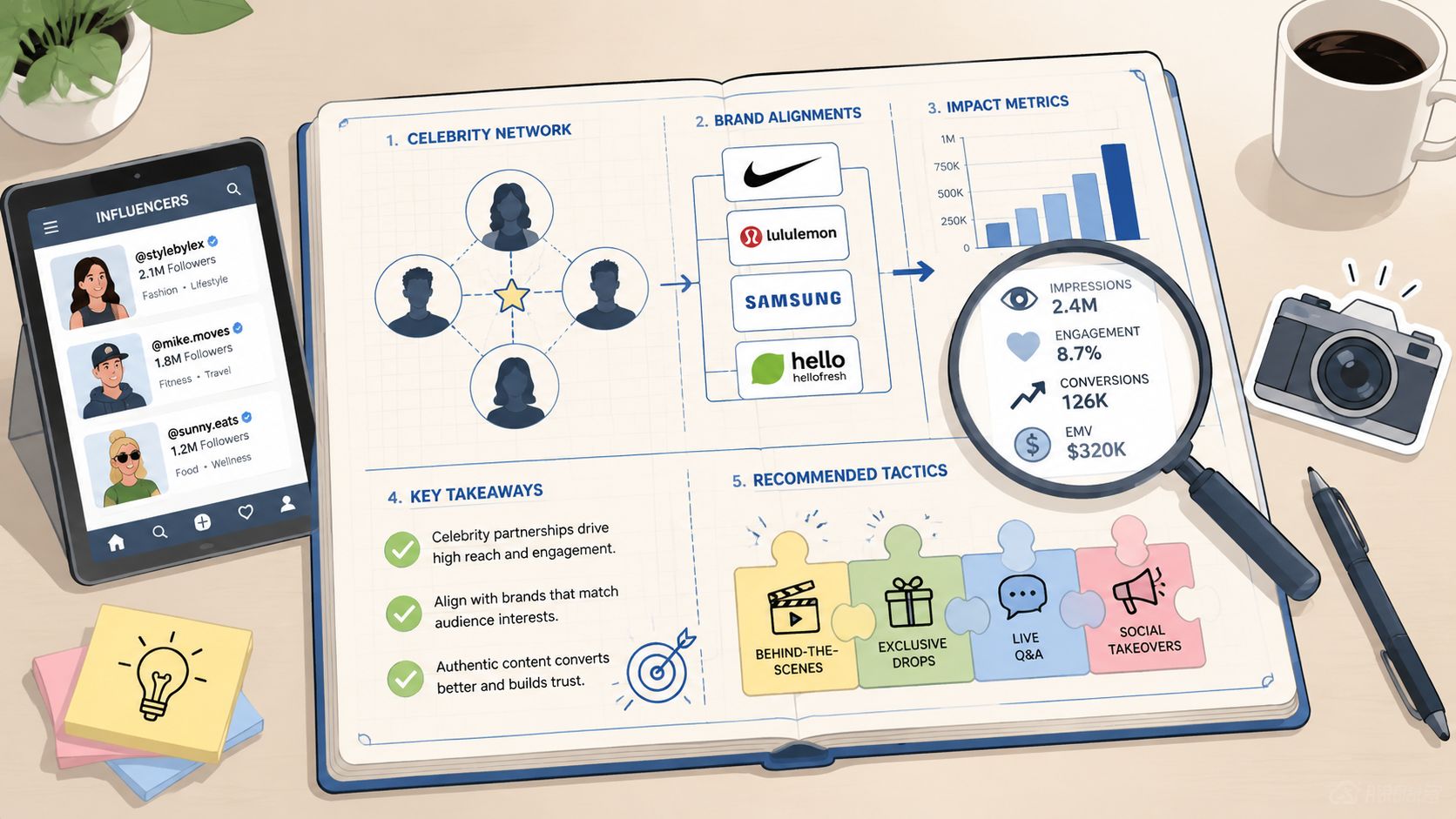
Celebrity endorsement examples still work because they influence action, not just awareness. A 2011 analysis of 200 social media endorsements found that celebrity-endorsed messages produced a 50% improvement in cost-per-action versus non-endorsed ads, and click-through rates were 17 to 21 times higher, according to the celebrity branding summary on Wikipedia. That's the part many brands miss. The win isn't just getting a famous face on screen. It's building a partnership that moves people from attention to intent to purchase.
That's also why execution matters more now than it did in the TV-commercial era. Modern celebrity endorsement examples usually live across TikTok, Instagram, YouTube, paid media, retail pages, email, and PR at the same time. A campaign can look sharp in the launch meeting and still fail in the wild because approvals break down, usage rights get fuzzy, disclosures are inconsistent, or nobody can track what shipped. Platforms like REACH fit this reality well because they help teams manage what happens after the talent is booked: campaign setup, deliverables, communication, content tracking, payments, and compliance in one place.
The strongest examples below aren't just famous. They show repeatable patterns you can use whether you're hiring one major celebrity or coordinating a wider creator mix around them.
1. Nike's Michael Jordan Partnership
Most celebrity campaigns are rented attention. Nike's partnership with Michael Jordan became a brand asset.
That's why this remains one of the most useful celebrity endorsement examples for marketers. It wasn't built like a short-term media buy. It was built like a product platform, a cultural signal, and a long-term narrative tied to performance, style, and identity.
Why it worked
Jordan didn't feel pasted onto Nike. He strengthened what people already wanted from the brand. Basketball credibility, aspiration, competitive intensity, and product storytelling all pointed in the same direction.
That alignment is the key lesson. In an academic study of athlete celebrity endorsements, firms saw a positive payoff from signing an endorser, and those endorsements were associated with higher sales in absolute terms and relative to competing brands, according to Harvard Business School research on athlete endorsements. The important part for practitioners is the competitive baseline. A strong endorsement doesn't just lift your sales. It can help you win choice against alternatives.
What brands should copy
Nike also gave the partnership room to expand. The model wasn't one ad, one post, one season. It kept growing through shoes, apparel, storylines, launches, and moments that fans already cared about.
If you want to apply this structure, start with a longer time horizon than your media plan.
- Match identity, not just audience: Pick a partner whose public identity makes the product more believable.
- Build a product story: Exclusive drops, signature lines, or recurring collections usually outperform generic spokesperson content.
- Plan around moments: Championships, tours, launches, appearances, and cultural milestones create natural content windows.
Practical rule: If the celebrity disappeared tomorrow, the campaign should still leave behind a product system, not just a memory.
Teams trying to operationalize that kind of partnership need process, not just creative ambition. A centralized workflow matters when rights, assets, deadlines, and approvals stretch across months or years. That's where a structured influencer marketing strategy becomes useful. It helps you treat the endorsement like an ongoing program instead of a string of isolated deliverables.
2. Influencer Micro-Partnerships and Daniel Wellington
Daniel Wellington is the counterexample that keeps marketers honest. You don't always need one massive celebrity. Sometimes you need a system that makes many smaller endorsements feel native.
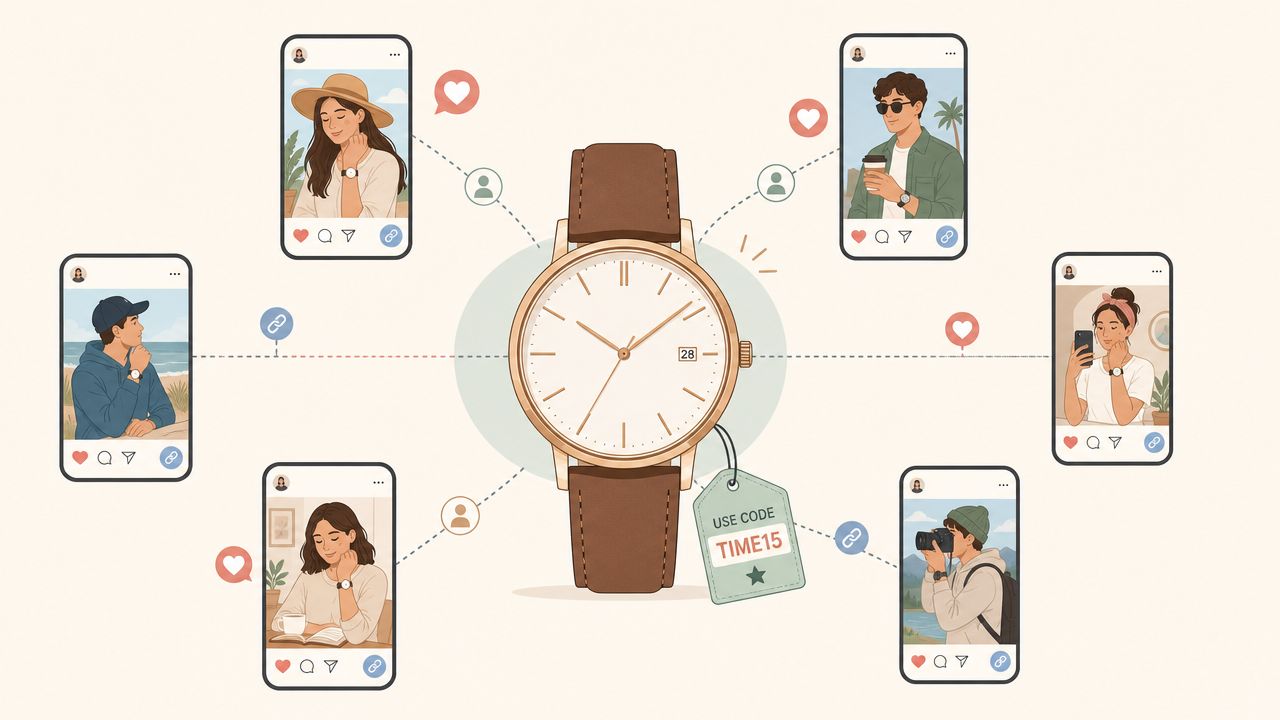
The brand became known for a look that spread through lifestyle content rather than a traditional luxury playbook. Watches appeared in travel photos, outfit posts, gift guides, and everyday routines. The product kept showing up in contexts that felt social-first.
Why it worked
This approach borrowed the logic of celebrity endorsement but distributed it across many niche personalities. Instead of one star carrying the whole message, many creators reinforced the same product signal in different audience pockets.
That matters because modern endorsements increasingly blur into creator-style content and coordinated content programs, not just ads, as described in Study.com's overview of celebrity endorsements in advertising. Daniel Wellington's style fit that evolution before many brands had the language for it.
What usually breaks in these campaigns
High-volume micro-partnerships can become messy fast. Brands lose track of posting windows, discount codes, approvals, usage permissions, and whether content went live.
A lot of teams also over-control the creative. That usually weakens performance. If every creator sounds like your legal department wrote the caption, the endorsement loses the personality that made it valuable.
- Give a clear brief: Define brand guardrails, required tags, and essential requirements.
- Leave room for interpretation: Let creators style the product in a way their audience already expects.
- Track individually: Unique links, creator-specific codes, and post-level monitoring matter more than vanity reach.
For brands building repeated creator relationships, it helps to think in terms of a brand ambassador program rather than one-off sends. And if you're evaluating smaller partners, this micro influencer brand deals guide is a useful practical read on how these arrangements typically work.
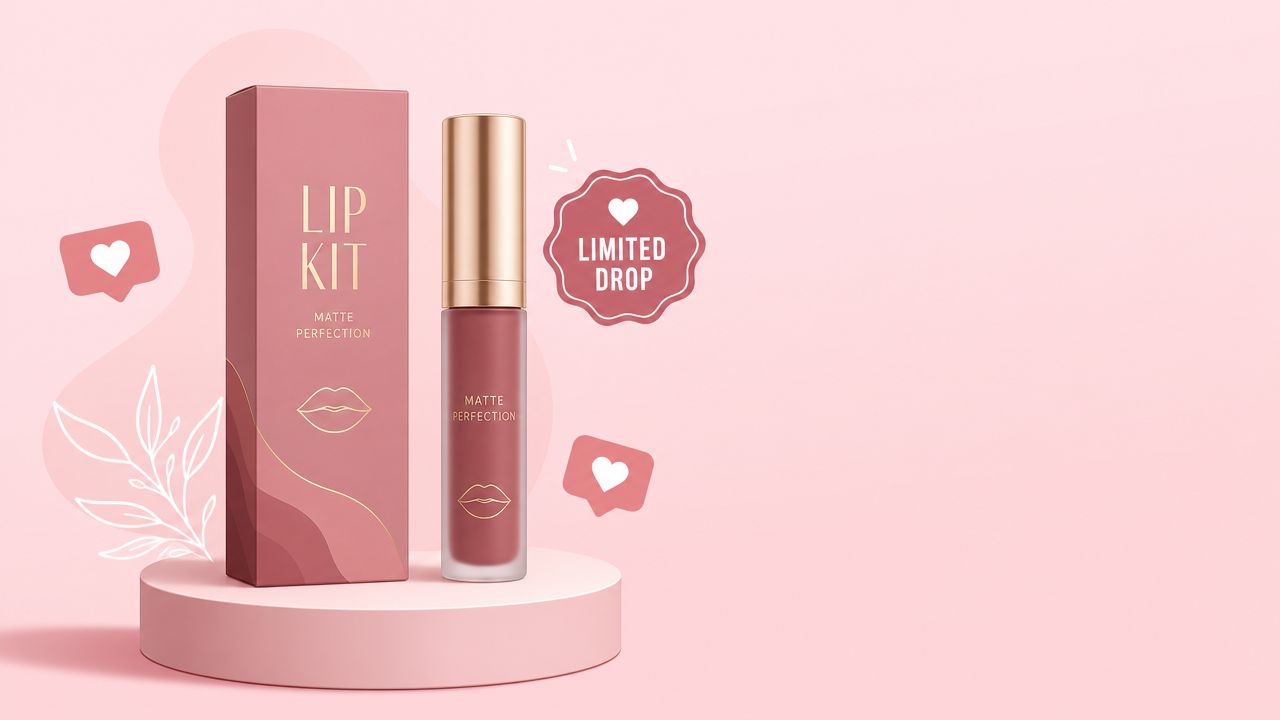
3. Kylie Cosmetics and Kylie Jenner
Some celebrity endorsement examples stop being endorsements at all. Kylie Cosmetics shows what happens when the celebrity becomes inseparable from the product line.
That changes the marketing job. You're no longer borrowing fame to support a product. You're turning a personality, an aesthetic, and a fan relationship into the product experience itself.
Why it worked
Kylie Jenner's audience didn't need a long explanation for why she was selling lip products. The category fit her image. That kind of fit is hard to fake, and consumers can usually tell when a celebrity is stretching beyond what feels natural.
The strongest part of this model is control. When a celebrity product line is integrated tightly with personal content, launches, limited releases, and behind-the-scenes storytelling, every post reinforces demand rather than interrupting it.
The hidden trade-off
This model is powerful, but it's fragile. If the celebrity is the brand, reputation risk and fatigue risk both rise. Teams need to manage pacing, creative variation, and cross-platform consistency so the audience doesn't feel like every appearance is a sales moment.
That's especially important when content spreads across Instagram, TikTok, YouTube, affiliates, retailers, and fan reposts. A launch may feel authentic on one platform and over-produced on another.
The closer the celebrity is to the product, the less tolerance consumers have for anything that feels manufactured.
A good operating model is to separate content into lanes: launch content, community content, product education, and founder-style behind-the-scenes content. That keeps the feed from becoming repetitive while still supporting sales.
Brands trying to build this kind of coordinated program often need better visibility across creators and channels. A platform built for micro-influencer marketing can help when the campaign starts with one celebrity figure but expands into a wider network of creators, affiliates, and community content.
4. Billie Eilish x Apple Music
This type of partnership works because it doesn't feel like an ad first. It feels like access.
Apple's work with major artists such as Billie Eilish reflects a model where the platform itself becomes part of the fan experience. Documentary content, exclusive releases, live moments, and interface-level promotion all work together. The product isn't just being mentioned. It becomes the place where fandom happens.
Why this format matters now
A lot of brands still think in terms of campaign assets. One hero video. A few cutdowns. A paid push. Platform-based celebrity partnerships work differently. They stack formats.
You might have a trailer, a behind-the-scenes clip, a homepage takeover, short-form edits, artist commentary, and social snippets all tied to the same release moment. That integrated structure usually feels more natural because audiences consume it as content, not as interruption.
What to borrow from it
The lesson here isn't “go make a documentary.” It's simpler than that. Build endorsement programs around native audience behavior.
For music, that may mean listening moments, rehearsal clips, fan culture, or artist curation. For beauty, it may be tutorials and shade testing. For sports, it may be training footage and pre-game rituals. The endorsement gets stronger when it lives inside the habits the audience already has.
- Use multiple formats: Short-form and long-form serve different jobs.
- Tie content to real moments: Release cycles, launches, appearances, and events create urgency.
- Keep the platform visible but useful: The brand should enable access, not hijack it.
This kind of campaign also creates a rights-management challenge. Teams need to know where a piece of content can run, how long it can run, and who approved each version. If you don't map that early, repurposing becomes expensive and slow.
5. Ryan Reynolds and Aviation American Gin
Ryan Reynolds built a playbook many brands envy but few can copy cleanly. The core mechanic wasn't celebrity glamour. It was voice.
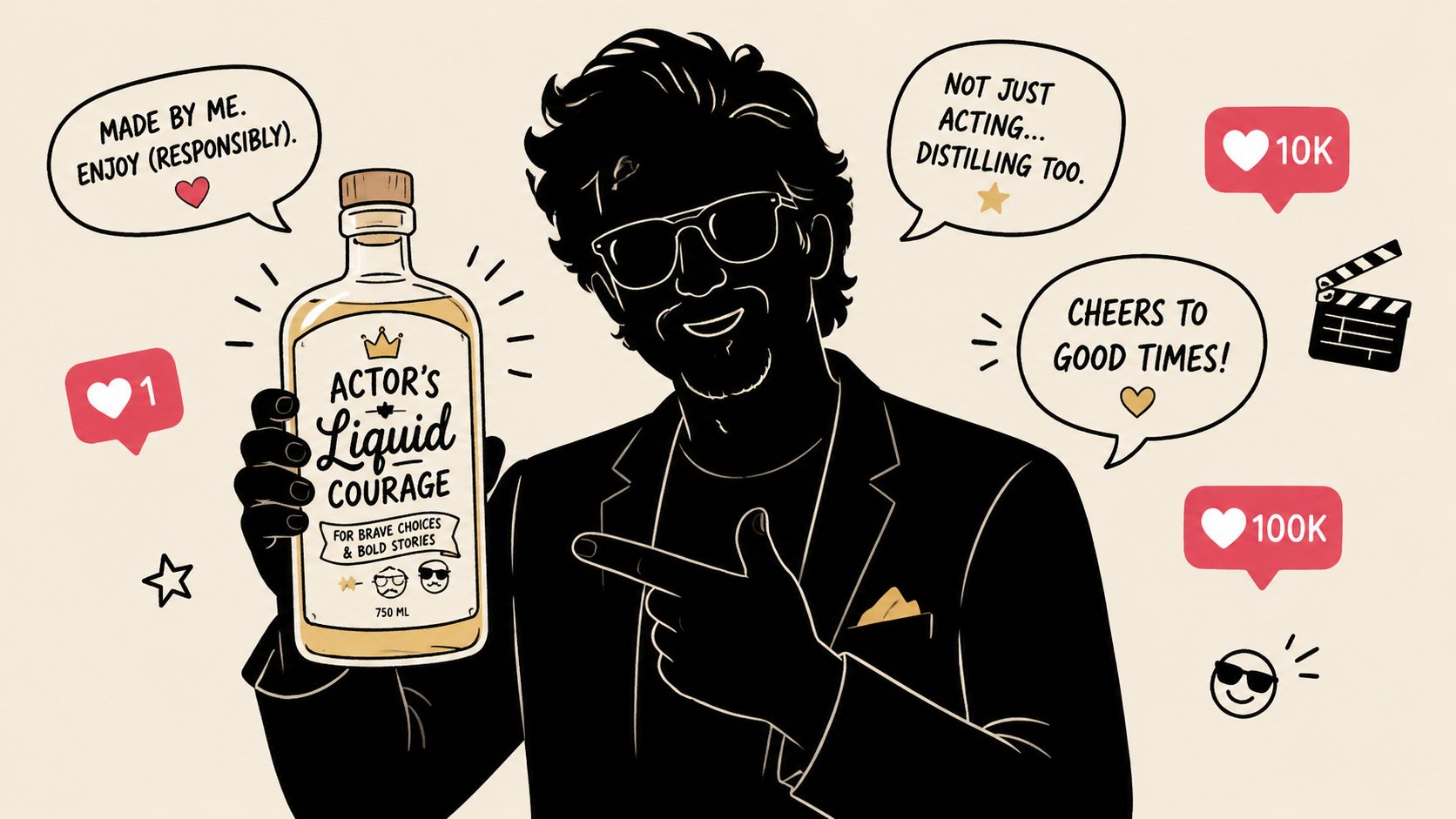
Aviation American Gin worked because Reynolds brought a recognizable tone to the brand. Dry humor, self-awareness, and fast-turn social creative made the marketing feel like entertainment. People shared the content because it was enjoyable before it was persuasive.
Why it worked
Ownership, or at least visible commitment, changes how audiences read the message. When a celebrity looks financially and creatively invested, the content feels less like borrowed credibility and more like participation.
That doesn't mean every brand needs to offer equity. It does mean the audience needs to believe the person cares. Reynolds' style made that believable because the content kept returning to a consistent point of view.
Where brands go wrong
Too many teams learn the wrong lesson from campaigns like this. They hire a funny celebrity and then hand them a rigid script. The result is usually flat because the humor was never the celebrity's face alone. It was their delivery, timing, and control over tone.
Field note: Entertainment-first content only works when the brand accepts that not every line has to push the product directly.
If you want this model, build a clear approval process around red lines, then loosen the grip everywhere else. Give the talent room to shape the piece. Also plan for platform edits. What works as a polished spot may need a different cut for TikTok or Instagram Reels.
The strategic question is simple: does the celebrity have a voice audiences would recognize even if your logo disappeared for five seconds? If the answer is no, don't force a personality-led model.
6. Rihanna's Fenty Beauty
Fenty Beauty is one of the clearest examples of a celebrity-led brand using a broader creator ecosystem well. Rihanna's star power brought instant attention, but the launch style made the difference. The brand spread through tutorials, reviews, swatches, and makeup artist usage across many voices.
That mix matters because beauty buyers rarely convert from one polished brand film alone. They want to see shades on real skin, application in real lighting, and reactions from creators they trust.

Why the creator network mattered
Rihanna gave the launch cultural weight, but creators handled the proof. That's a strong model for many consumer brands. Let the celebrity establish relevance, then let creators demonstrate usability.
This is also where recent consumer data supports the broader case for celebrity-led demand. A 2023 Nielsen report cited in a verified industry compilation found that celebrity-endorsed products saw a 29% average increase in purchase intent among consumers ages 18 to 34, according to Gitnux's celebrity endorsement statistics roundup. The key takeaway isn't just the number. It's that celebrity can raise intent, while creator content can answer the practical buying questions that follow.
What brands can apply
Beauty campaigns often break when all the attention goes to launch-day hype and not enough goes to post-launch coordination. You need creators in different tiers, a clear content mix, and a system for collecting usage rights and deliverables after the first wave.
A smart rollout usually includes:
- Category experts: Makeup artists and beauty educators for authority.
- Relatable users: Everyday creators for practical trust.
- Content variety: Swatches, tutorials, routines, reactions, and restocks.
Here's a useful example of how celebrity-led beauty storytelling can extend beyond static promo.
The operating challenge is scale. Once dozens or hundreds of creators are involved, the campaign stops being a talent problem and becomes a workflow problem.
7. Dwayne The Rock Johnson and the Portfolio Model
Most endorsers struggle when they take on too many brand relationships. Dwayne Johnson usually doesn't, because the partnerships tend to sit inside one public narrative: discipline, training, ambition, energy, and mass-market likability.
That's why his example matters. He shows how a celebrity can support multiple brands without making the audience feel like every post is for sale.
Why this works
The common thread is more important than the individual product. If fans see Johnson in workout content, motivational content, or high-performance lifestyle content, the surrounding brand integrations feel expected. That continuity protects authenticity.
This is the portfolio model. Instead of asking whether each endorsement is perfect on its own, ask whether all of them make sense together. If one deal weakens the story told by the others, the portfolio gets noisy.
The management lesson
Many brands underestimate operational planning. A celebrity with multiple endorsements needs sequencing, category boundaries, exclusivity clarity, and posting cadence. Without that, even a well-matched partner can create audience fatigue.
- Map category conflicts early: Don't discover overlap after creative is shot.
- Control frequency: Repetition can build memory, but overexposure erodes trust.
- Keep one central narrative: Every partnership should reinforce the same public identity.
A lot of brands would benefit from treating endorsement planning like editorial planning. Build a calendar, assign themes, define blackout periods, and review how each partnership will appear side by side on the creator's feed.
8. TikTok Creator Stars and the New Celebrity Pipeline
Some of the most instructive celebrity endorsement examples now start with people who weren't traditional celebrities at all. They became famous because platforms made them famous first.
That shift changes how brands should buy endorsement value. A creator who rises on TikTok may deliver a stronger fit for certain campaigns than a film actor with broader name recognition, especially when the product depends on trend participation, niche humor, or daily audience intimacy.
Why this pipeline matters
Platform-native stars often know how to make branded content feel less branded. They understand pacing, framing, comment culture, and what audiences will ignore. That's a real advantage.
They also carry more volatility. Their fame can rise fast, shift fast, and move across platforms unevenly. That means contract structure matters more. Brands need flexible rights, clear deliverables, disclosure discipline, and contingency plans if audience sentiment changes.
What to copy and what to avoid
The best way to use this model is to buy relevance, not just reach. Look for creators whose style naturally supports your product category. If they're known for dance, comedy, routines, beauty, or storytime content, the endorsement should fit that behavior.
One caution. Don't build the whole campaign around a follower screenshot. Use performance signals, comment quality, audience fit, and content consistency to guide decisions. This email scraping and follower-tracking discussion is a reminder that raw audience numbers can be misleading when you're evaluating creator lists.
Fast-rising creators can be excellent partners, but they require tighter monitoring because audience sentiment, platform momentum, and content style can change quickly.
If you're running a mixed campaign with emerging stars, micro-creators, and paid amplification, central coordination matters more than ever. Therefore, campaign management discipline becomes the difference between trend participation and actual business results.
8-Case Celebrity Endorsement Comparison
| Campaign | Implementation 🔄 | Resources ⚡ | Expected Outcomes ⭐ / 📊 | Ideal Use Cases 💡 | Key Advantages ⭐ |
|---|---|---|---|---|---|
| Nike, Michael Jordan (Air Jordan) | Very high complexity: multi-decade equity deal, legal/brand integration 🔄 | Very high: product R&D, global marketing, long-term investment ⚡ | Exceptional brand equity; multi‑generational reach; $5B+ revenue (📊⭐) | Build a legacy premium athletic brand with deep cultural ties 💡 | Sustained loyalty, recurring revenue, authentic celebrity alignment ⭐ |
| Daniel Wellington, Micro‑Partnerships | Moderate complexity: high‑volume creator management, logistics 🔄 | Low‑medium: product seeding costs, platform automation needed ⚡ | Strong ROI from conversions; scalable UGC and promo‑code tracking (📊⭐) | Affordable fashion/lifestyle launches needing scalable content and conversions 💡 | Low cost per activation, high engagement, highly scalable ⭐ |
| Kylie Cosmetics, Celebrity Product Line | High complexity: celebrity‑led operations, product control, e‑commerce 🔄 | Very high: manufacturing, fulfillment, social production, PR ⚡ | Very high revenue potential; direct‑to‑consumer growth and viral drops (📊⭐) | Celebrities launching owned brands, direct sales via social channels 💡 | Maximum authenticity, built‑in audience, premium pricing power ⭐ |
| Billie Eilish × Apple Music, Platform Exclusives | High complexity: exclusive content deals, production and distribution rights 🔄 | High: documentary/production budgets, platform integration ⚡ | Drives subscriptions and retention; exclusive competitive advantage (📊⭐) | Streaming platforms seeking subscriber growth via exclusive talent content 💡 | Multi‑format storytelling, measurable streaming metrics, exclusivity advantage ⭐ |
| Ryan Reynolds, Aviation Gin | Moderate complexity: celebrity ownership + creative campaign control 🔄 | Medium: content production, social media campaigns, PR ⚡ | High virality and earned media; significant brand awareness and sales lift (📊⭐) | Personality‑driven CPG brands leveraging humor and founder involvement 💡 | High organic reach, authentic endorsement via ownership, cost‑effective earned media ⭐ |
| Rihanna, Fenty Beauty | High complexity: coordinated multi‑creator seeding and campaign orchestration 🔄 | High: product seeding, influencer coordination, large PR push ⚡ | Rapid scaling, massive organic content, strong cultural relevance (📊⭐) | Inclusive beauty launches that rely on influencer credibility and tutorials 💡 | Leverages wide influencer community, authentic reviews, strong UGC volume ⭐ |
| Dwayne Johnson, Multi‑Brand Portfolio | High complexity: simultaneous partnerships, narrative alignment across brands 🔄 | High: contract management, cross‑brand coordination, content scheduling ⚡ | Diversified revenue streams with consistent high engagement across platforms (📊⭐) | Celebrities seeking multiple complementary brand deals without audience fatigue 💡 | Diversification, narrative consistency, efficient content reuse ⭐ |
| TikTok Creator Fund Stars | Low‑moderate complexity: trend‑responsive, fast negotiation, flexible contracts 🔄 | Low‑medium: rapid talent outreach, trend monitoring, agile content support ⚡ | Rapid follower growth and high engagement; reach is volatile and trend‑dependent (📊⭐) | Trend‑driven campaigns targeting Gen Z and viral moments 💡 | Cost‑effective entry, high virality potential, authentic platform‑native creators ⭐ |
From Celebrity Deals to Your Next Campaign
These celebrity endorsement examples point to the same pattern. Fame helps, but fit does more. The best partnerships connect the right person, the right product, the right format, and the right operating model.
Nike and Jordan show the power of long-term alignment. Daniel Wellington shows that distributed creator advocacy can mimic the effect of celebrity at scale. Kylie Cosmetics shows what happens when the founder and product identity are fused. Apple's artist partnerships show the value of access-based content. Ryan Reynolds proves voice can carry a brand when the relationship feels real. Fenty shows how celebrity attention and creator proof work together. Dwayne Johnson shows how to manage multiple partnerships without losing coherence. TikTok-born stars show where the next generation of endorsers is coming from.
The tactical lesson is less glamorous, but more useful. Most campaigns don't fail because the idea was bad. They fail because the execution layer wasn't built for complexity. Teams lose track of approvals. Usage rights aren't documented clearly. Creators post late. Payment processing drags. Nobody has one reliable view of deliverables across platforms. The campaign launches, but the operation behind it is held together by spreadsheets, inbox threads, and DMs.
That's where structure provides an advantage. You need a system for campaign setup, creator communication, asset tracking, post monitoring, payment handling, and compliance. If you're running modern endorsement programs that mix celebrities, ambassadors, and creators, that work has to be centralized or it gets expensive fast.
REACH is one option that fits that operational need. It's built to help brands and agencies run influencer campaigns after talent discovery, with tools for campaign creation, centralized management, content tracking, payments, and 1099 workflows. That won't replace strategy, but it does make strong strategy easier to execute.
One more point matters. Celebrity marketing isn't only about front-end launch creativity anymore. It's about post-launch management. Rights. Repurposing. Multi-platform consistency. Contingency planning. The brands that handle those details well are the ones that turn endorsement into repeatable performance.
If you're building your next campaign, start with alignment, define the workflow before launch, and package the partnership so it can live across channels without losing authenticity. If you also need creator-facing materials, this guide on how to craft a professional media kit can help sharpen the presentation side of your outreach.
If you want a cleaner way to run celebrity and creator campaigns, explore REACH. It gives brands and agencies one place to organize deliverables, communication, content tracking, payments, and compliance so campaigns don't fall apart after the contract is signed.