
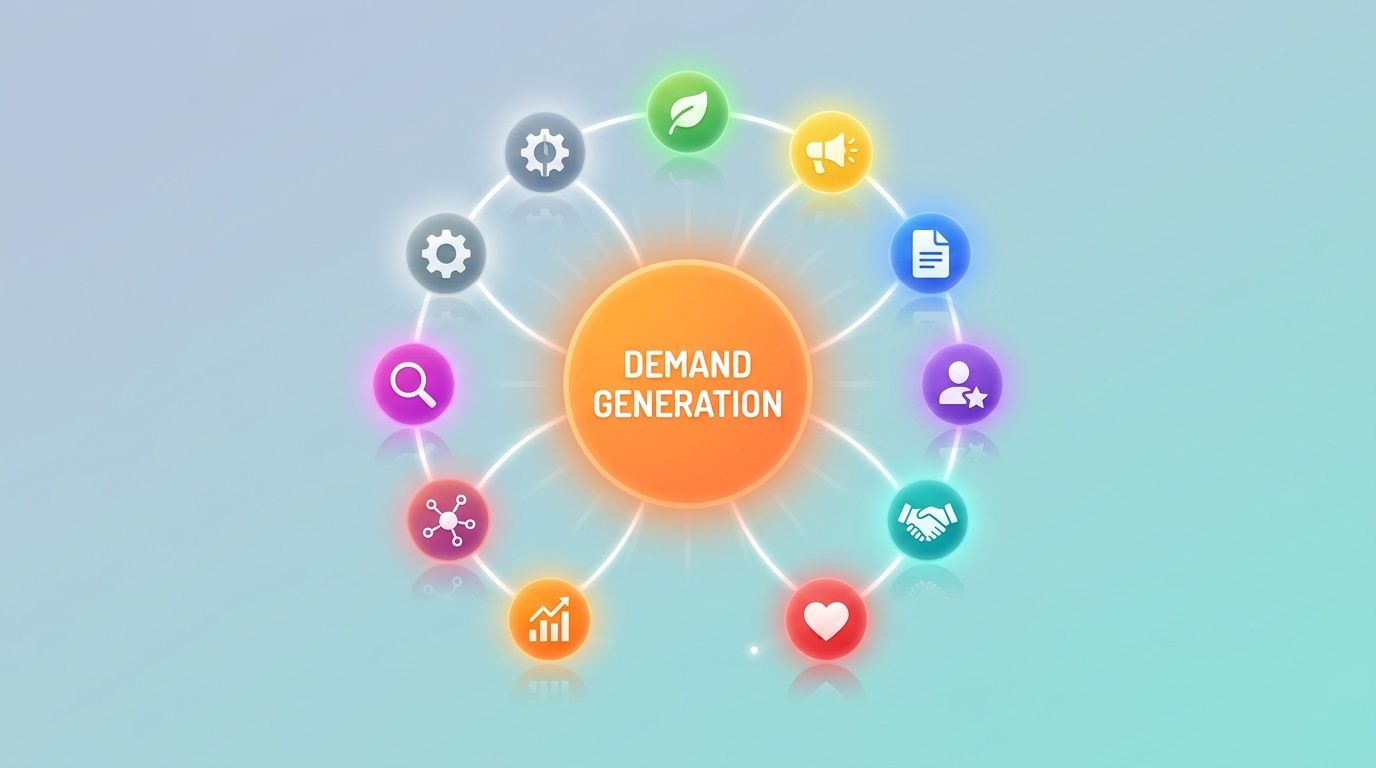
Google reported that AI Overviews reached over 1.5 billion monthly users in 2025, a signal that buyer discovery is changing fast and that demand generation strategies now have to account for AI-mediated research as well as search, social, and direct response (Infuse demand generation strategy guide).
Teams understand the necessity of demand generation. Fewer teams build a system that compounds. They run a webinar, publish a few posts, test paid social, maybe sponsor creators, then wonder why pipeline feels inconsistent. The issue usually isn't effort. It's fragmentation.
The demand generation strategies that work now share three traits. They teach buyers, they capture intent in measurable ways, and they reinforce each other across channels. That's why platforms like REACH matter early in the planning process. If creators are part of your mix, execution breaks down quickly when briefs live in one tool, approvals in email, content links in spreadsheets, and payments in a finance inbox.
Content still leads the field. Industry roundup data shows content marketing is the most effective demand-generation strategy for 83% of marketers, followed by organic SEO at 67% and paid advertising at 53% (B2B demand generation stats roundup). But the practical takeaway isn't "do content." It's to build campaigns where content, creators, capture, and follow-up work together.
1. Influencer-Powered Content Marketing
The cleanest way to make content work harder is to stop publishing alone.
A brand blog post can educate. A creator can make that same idea credible, social, and discoverable to an audience that already trusts the messenger. That's why influencer-powered content sits near the top of practical demand generation strategies for both B2C brands and B2B companies with niche audiences.
Daniel Wellington, Glossier, Gymshark, Fashion Nova, and Airbnb all show different versions of the same principle. They didn't rely on one hero campaign. They built repeatable creator-led content loops where the product appeared in formats people already consumed.
Build the content around creator-native formats
Don't hand creators a polished ad script and call it content marketing. That usually kills performance. Instead, build campaigns around formats the creator already uses well, such as product walkthroughs, routines, comparisons, behind-the-scenes clips, or opinion-led posts.
A simple execution model works well:
- Choose one content angle: Pick one buyer pain point, one product use case, or one audience objection.
- Match creators to angle: A skincare educator, fitness coach, SaaS operator, or retail stylist each frames the same product differently.
- Repurpose aggressively: Turn creator videos into landing page assets, paid ads, email creative, and social proof blocks.
If you're building this as an operating system, keep creator management centralized. REACH is built for the work that happens after discovery, including campaign setup, communication, deliverable tracking, payments, and compliance. For brands planning creator programs, the REACH guide to influencers for brands is a practical starting point.
Practical rule: If the content wouldn't make sense on the creator's own feed, it probably won't generate demand either.
What works and what doesn't
What works is a content brief with a clear audience problem, a clear CTA, and enough creative room for the creator to sound like themselves.
What doesn't work is forcing every creator into the same talking points, measuring only likes, or treating creators as rented media instead of content partners.
2. Account-Based Marketing with Influencer Integration
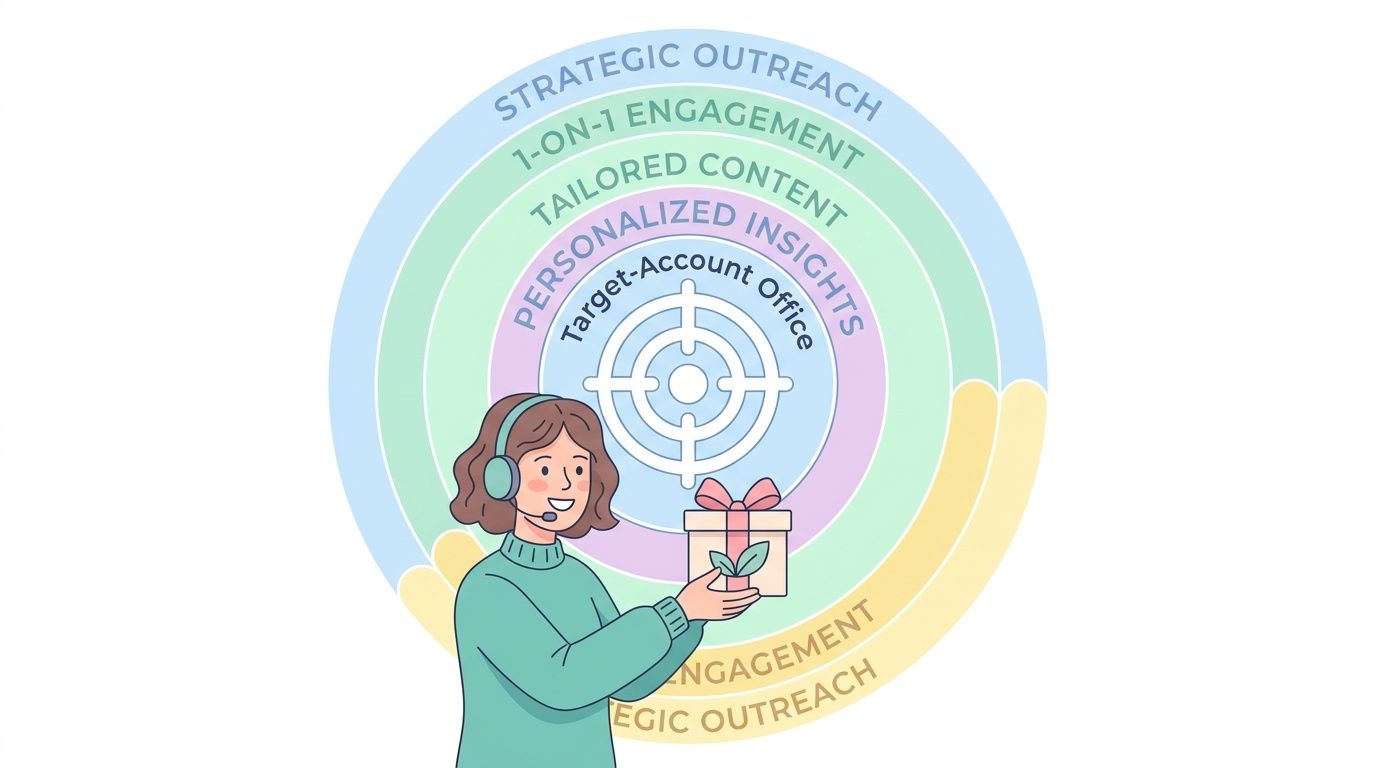
ABM performs better when target accounts hear the message from someone they already trust.
That trust rarely comes from broad-reach creators. In account-based programs, the right partner is usually a niche operator, consultant, analyst, or category educator with credibility in a specific buying committee. Their job is not to replace sales. Their job is to give the account a reason to pay attention before the rep reaches out.
That distinction matters. A creator program built for ABM should be narrow by design. If you're targeting procurement leaders at mid-market SaaS companies, a general business influencer is a poor fit. A CFO advisor, RevOps practitioner, or security expert who already speaks to those buyers can make your message feel relevant instead of manufactured.
Build creator input into the account plan
The practical way to run this is to map creators to account clusters, not to campaigns in general.
A strong setup usually includes:
- One audience slice: Define the account tier, buying role, and pain point.
- One creator role: Decide whether the creator will drive awareness, validate a point of view, host a roundtable, or appear in follow-up assets.
- One sales action: Give the account team specific ways to use the asset in outreach, retargeting, gifting flows, or executive follow-up.
For example, a cybersecurity company targeting healthcare systems might partner with a respected healthcare IT voice to host a short discussion on compliance risk. Sales can then use that clip in account outreach, invite target stakeholders to a private session, and retarget engaged contacts with a case study tied to the same issue. The creator opens the door. The account team carries the conversation.
Use creators where ABM usually stalls
Creator integration helps most at the points where standard ABM tactics lose momentum.
Common use cases include:
- Cold account warming: A creator publishes or co-hosts a point-of-view asset that gives sales a stronger first touch.
- Multi-stakeholder engagement: Different creators speak to different roles inside the same account, such as finance, operations, and technical buyers.
- Late-stage trust building: A known expert joins a customer story, live session, or objection-handling asset to reduce perceived risk.
This is also where platforms like REACH help. The operational challenge in ABM is coordination, not just discovery. Teams need clean workflows for outreach, approvals, deliverables, timelines, payments, and usage rights, especially when one creator's content will be reused across paid, sales, and field programs.
Measure account movement, not post performance
ABM teams should judge creator participation by account progression.
The useful signals are practical:
- More buying group activity: Additional stakeholders from the same account start visiting, registering, or responding.
- Better sales conversations: Reps get replies that reference the asset, the event, or the creator's perspective.
- Faster stage progression: Target accounts move from awareness to active evaluation with fewer dead ends.
This is the trade-off. Influencer-led ABM usually produces less visible reach than a broad social campaign, but the reach is concentrated around accounts that can close. That is a better exchange for teams measured on pipeline.
Creator-supported ABM works when marketing, sales, and creator ops run from the same account plan. Without that alignment, you get content. With it, you get meetings.
3. Social Media Community Building and Engagement
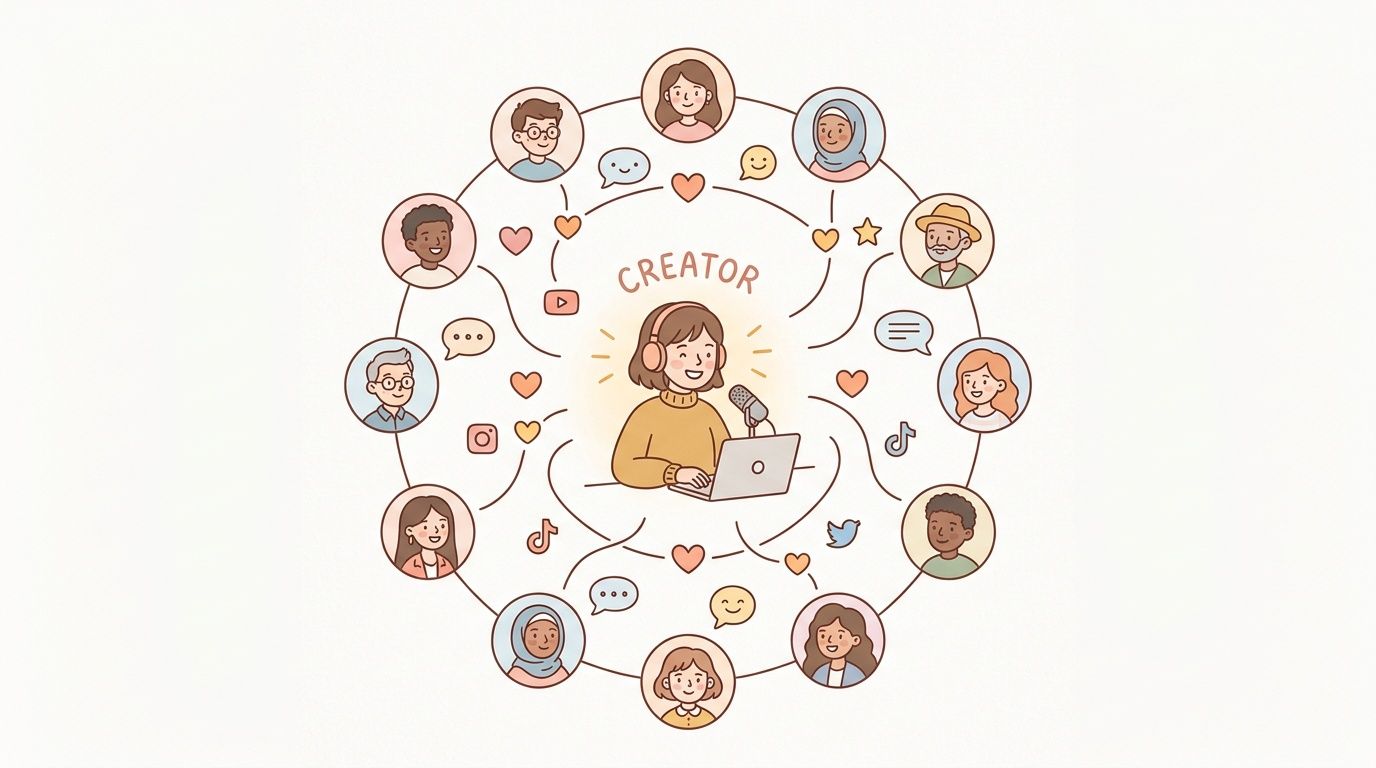
Community is slower than campaign work, but it lasts longer.
Brands like Glossier, Gymshark, Lululemon, Supreme, and creator collectives on TikTok all show that steady interaction beats occasional blasts. Community-led demand generation strategies create familiarity before buyers are ready to purchase. When the buying moment arrives, the brand already feels known.
The mistake is treating community like a content calendar. Community isn't just posting often. It's giving people reasons to participate.
Give creators a recurring role
The strongest programs don't use creators once. They assign them a lane.
That lane might be product education, challenge hosting, comment moderation, recurring livestreams, trend translation, or member spotlights. A creator with an engaged niche audience can anchor weekly activity in a way a brand account often can't.
A practical community rhythm looks like this:
- Weekly creator series: Same day, same format, predictable theme.
- Audience participation prompt: Questions, remix opportunities, duets, photo responses, or member submissions.
- Brand follow-through: Replies, reposts, and visible recognition.
What teams miss
A lot of brands try to build community while sounding polished and distant. That creates content, not belonging.
Use creators who already know how to host conversation. Then support them with fast approvals, clear boundaries, and room to respond in real time. If every post needs a long review cycle, momentum dies.
Community also strengthens other channels. It gives you UGC, social proof, webinar attendees, and warmer traffic for landing pages.
4. Performance-Based Influencer Campaigns
Performance-based influencer programs sound efficient. Sometimes they are. Sometimes they attract the wrong partners, cheapen the content, and produce a lot of low-intent clicks.
The model works best when the product is easy to explain, easy to buy, and easy to track. Amazon-style affiliate relationships, Shopify app referrals, and direct-response consumer offers fit this structure better than complex offers with long consideration cycles.
Match compensation to buyer behavior
Don't force affiliate economics onto campaigns that need trust-building first. If creators need to educate heavily before conversion, a pure commission structure can backfire. Many good creators won't take the risk, and the ones who do may overpromise to push action.
A better setup is often mixed:
- Base fee for content creation
- Performance upside for tracked outcomes
- Clear attribution rules for delayed conversions
This gives the creator enough certainty to produce quality work while still aligning incentives.
Keep the tracking simple
Unique links, promo codes, dedicated landing pages, and creator-specific offers work because they reduce ambiguity. The more complicated the tracking setup, the less confidence both sides have in the result.
This category also exposes an operational gap that generic demand generation advice often skips. Many brands want influencer-led demand generation, but struggle to manage selection, briefing, approvals, rights, payments, and tax documentation at scale. That's one reason operational discipline has become a real differentiator in creator-led demand programs, especially for SMBs and agencies juggling many moving parts (Salespanel demand generation strategies overview).
Good performance programs reward creators for influence, not just for last-click luck.
5. User-Generated Content Campaigns and Contests
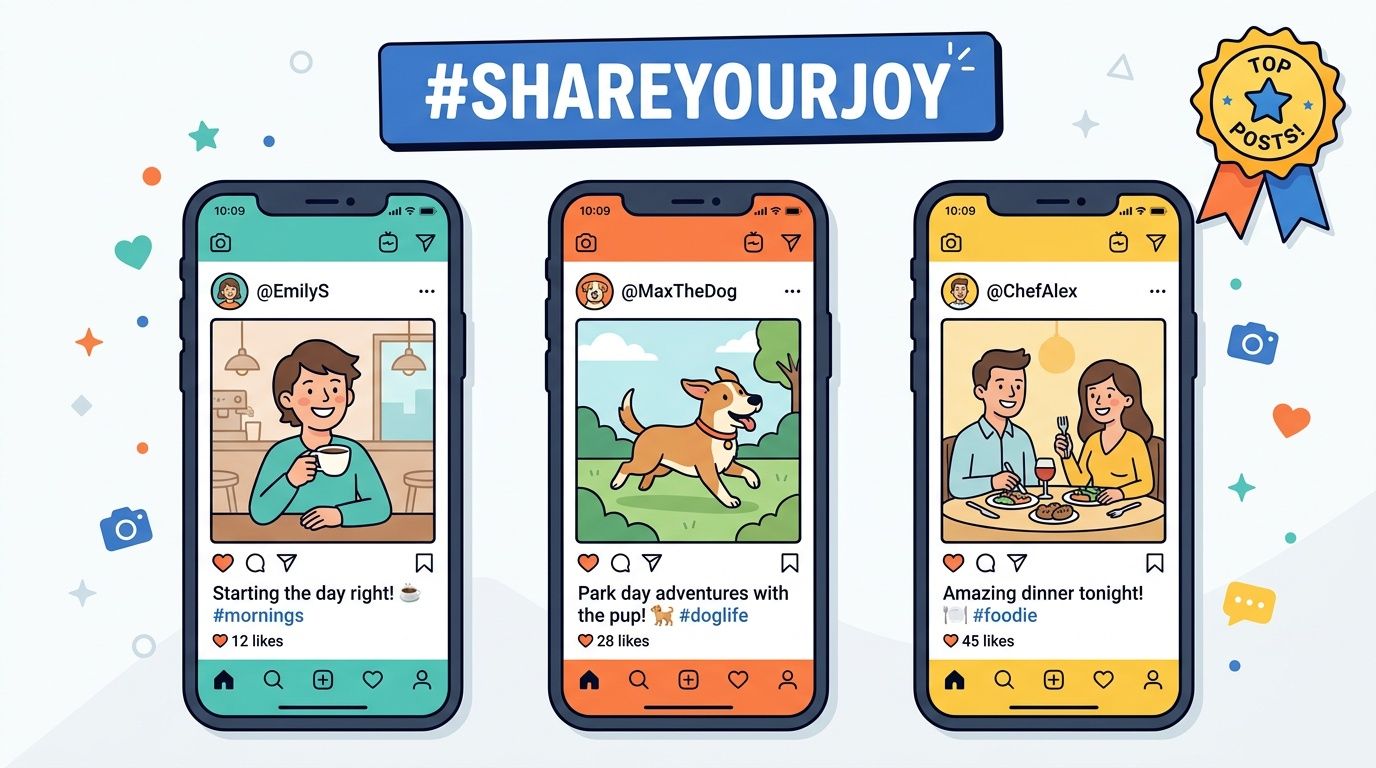
UGC works when participation feels easy and the prompt feels social, not corporate.
Coca-Cola's Share a Coke, GoPro's customer adventure content, Dunkin's TikTok challenges, Glossier's community content, and Starbucks' seasonal contests all reflect the same pattern. The brand sets the frame, but customers make the campaign move.
If you're using UGC as one of your demand generation strategies, seed it first. Waiting for strangers to spontaneously create branded content is wishful thinking.
Seed the first wave with creators
A small creator group gives the audience examples to imitate. That matters more than writing a clever hashtag.
The seed content should show:
- What to post
- How polished it should be
- Why someone would join
- What happens after they participate
Brands that want a structured approach can use a user-generated content strategy framework from REACH to organize creator seeding, content tracking, and approvals.
Rights and moderation matter more than most teams think
UGC gets messy fast when nobody decided in advance how content can be reused. Can the brand put submissions on product pages? Can it run them in ads? Can it edit them?
Set those rules early. Then monitor submissions every day during the campaign window. Momentum builds when participants see the brand noticing, reposting, and engaging with real people rather than auto-publishing a hashtag prompt and disappearing.
What fails here is overcomplication. If the participation mechanic takes too much effort, only your most loyal followers will bother. Keep it obvious.
6. Collaborative Co-Branded Campaigns and Partnerships
Partnership demand generation works because borrowed trust travels faster than self-promotion.
When Spotify teams up with another brand, when Nike collaborates with a designer, or when a beauty retailer co-creates content with a complementary brand, both sides get audience expansion with more relevance than a cold ad buy. This approach can also lower creative risk because the campaign has two points of credibility instead of one.
Look for audience overlap, not category overlap
The best partnerships aren't always obvious category neighbors. They're brands or creators that serve the same customer in adjacent moments.
A fitness apparel company might partner with a nutrition creator. A productivity software brand might collaborate with a workplace expert. A travel brand might work with a creator who documents planning habits, not just destinations.
Strong co-branded campaigns usually include:
- One shared audience problem: The campaign needs a single clear reason to exist.
- Distinct roles: One partner leads authority, the other leads distribution, or each owns a format.
- Shared follow-up: Leads, traffic, and post-campaign nurture can't live in separate silos.
Where these campaigns go wrong
Most failures happen before launch. Teams don't define ownership, usage rights, approval steps, or how success will be judged.
The safest way to plan is to decide who owns message approval, who publishes where, and what happens to the audience after engagement. If nobody owns follow-up, a good collaboration turns into a temporary awareness spike.
7. Educational Content and Thought Leadership
Content marketing adoption has climbed sharply in B2B because buyers keep rewarding material that helps them make a decision. Educational content works for demand generation for a simple reason. It creates intent before a sales conversation starts.
The bar is higher now, though. Publishing generic trend pieces under a "thought leadership" label will not move pipeline. Strong educational content answers the questions that stall deals: how to evaluate options, what implementation will involve, where the risks are, and which trade-offs matter by company size, budget, or team structure.
The practical formats are familiar, but the execution is what separates useful from forgettable:
- Buyer guides that explain selection criteria, not just features
- Implementation walkthroughs that show the first 30, 60, or 90 days
- Comparison content that addresses fit, limitations, and trade-offs directly
- Live webinars or workshops with operators, customers, or credible creators
- Expert roundtables built around one urgent problem buyers are already trying to solve
Webinars still earn a place here because they let prospects test your expertise in real time. A strong session does more than present slides. It surfaces objections, shows how your team thinks, and gives sales a clear follow-up path based on the questions attendees asked.
Creator partnerships make this strategy stronger when you use them as translators, not just distributors. Your internal subject-matter expert usually has the depth. The right creator brings audience trust, format fluency, and the ability to turn dense material into something people will watch, save, and share.
That is the modern angle many teams miss.
A cybersecurity company can publish a solid guide to vendor evaluation. Pair that same guide with a respected security analyst on LinkedIn or YouTube, and the asset gets more than reach. It gets interpretation. The creator can challenge weak assumptions, add real examples from the field, and frame the advice in language buyers already use. Managed well through a platform like REACH, those partnerships also make repurposing easier across webinars, short-form clips, email nurture, and sales enablement.
Use a simple framework:
- Start with a decision-stage question. Build content around what buyers need to decide next.
- Assign the right voice. Let internal experts handle depth. Let creators handle framing, hosting, or channel-native distribution.
- Design for reuse. One webinar should become clips, quote cards, email follow-ups, and sales collateral.
- Measure progression, not just views. Track registrations, engaged watch time, return visits, influenced pipeline, and meeting creation.
The trade-off is control. The more useful and credible the content is, the less it sounds like polished brand copy. That is usually a good trade. Buyers trust education that admits complexity. They ignore education that reads like a disguised product page.
The best thought leadership teaches buyers how to make a smart choice, even if that choice takes time. That is what builds demand you can convert later.
8. Paid Social Amplification of Influencer Content
Paid social gets better when you stop asking your ad team to invent authenticity from scratch.
A strong creator post already contains the ingredients most ads are missing: a face, a point of view, a natural hook, and a believable use case. Paid amplification lets you take that working asset and push it beyond the creator's organic reach.
Promote what already earned attention
Don't boost content because it exists. Boost it because it proved something.
Look for creator posts that generated strong comments, saves, replies, watch time, or clear click intent. Then adapt those pieces for Meta, TikTok, YouTube, or Pinterest placements with the right format and rights in place.
This usually beats a studio-made ad when:
- The category needs trust
- The buyer needs demonstration
- The product benefits from human context
Rights, editing, and landing page match
This tactic breaks when legal terms are fuzzy. If the brand plans to run paid media from creator content, usage rights need to be negotiated upfront.
Then fix the handoff. If the ad feels native but the landing page looks generic or too formal, conversion drops. Keep the page aligned with the promise and tone of the creative.
Paid amplification also helps teams unify channels. Organic creator content validates a message. Paid media scales it. Email and retargeting finish the follow-up. That's how separate tactics become a real demand engine.
9. Micro and Nano-Influencer Network Campaigns

Big names create visibility. Networks create coverage.
Micro and nano influencer programs work because they spread your message through many smaller trust circles instead of one large audience. For many brands, that's a better fit for demand generation strategies because it creates repeated exposure in niche communities.
Daniel Wellington, Gymshark, Glossier, niche Shopify brands, and emerging wellness companies have all used this logic in different ways. The core play is simple. Trade celebrity concentration for distributed relevance.
Scale the network like a program, not a series of one-offs
Teams often face challenges in this area. Recruiting creators is manageable. Running dozens of live relationships at the same time is not, unless the workflow is built for scale.
You need one place for briefs, one place for deadlines, one place for content tracking, and one place for payments. That's why the infrastructure matters as much as creator selection.
If your team is still learning the category, REACH has a practical explainer on what nano influencers are and how these smaller creators fit campaign strategy.
What to optimize at network level
When you run many smaller creators, don't expect every creator to win individually. Some will outperform. Some will contribute to reach, testing, and message variation.
Optimize for:
- Audience fit across niches
- Creative variation
- Aggregate conversion patterns
- Operational efficiency
A micro and nano network becomes valuable when it gives you a repeatable testing machine. You learn which hooks, offers, and communities respond, then you scale from evidence instead of guessing.
10. Video Testimonials and Case Study Campaigns
Video testimonials work when they feel observed, not manufactured.
Before the closing push, buyers want proof that someone like them used the product in a real context. That's true for software, services, travel, fitness, retail, and creator-led products. Slack, Airbnb, Peloton, Skillshare, Salesforce, and Amazon all benefit from some version of customer-story content because it reduces uncertainty.
Start with a simple visual example:
Use structure, not scripts
Testimonials fall apart when the speaker sounds coached. Give people a sequence, not a speech.
A reliable flow is:
- The challenge they had
- Why they tried the product
- What changed in practice
- Who they'd recommend it to
That structure gives the viewer a story arc without flattening the speaker's personality.
Put these assets where decisions happen
A strong testimonial shouldn't sit only on YouTube or a careers-style story page. Put it where doubt appears.
Use short clips on landing pages, in retargeting, inside nurture emails, in sales follow-up, and as social proof in paid creative. If creators or customers are willing to participate, record both long-form and short-form versions during the same session.
One caution matters here. Only quantify outcomes when you can verify them. If you have a customer story with specific numbers you can document, use them. If you don't, keep the language qualitative and focus on implementation, experience, and objections resolved. That keeps the testimonial believable.
10 Influencer-Driven Demand Generation Strategies Compared
| Strategy | Implementation Complexity 🔄 | Resource Requirements ⚡ | Expected Outcomes 📊 | Ideal Use Cases 💡 | Key Advantages ⭐ |
|---|---|---|---|---|---|
| Influencer-Powered Content Marketing | Medium, influencer vetting and relationship management; REACH simplifies | Moderate, creator fees, content production, analytics | Awareness, engagement, qualified leads; consistent social traction | D2C and consumer product launches, social-first brands | Authentic endorsements, high engagement, scalable content assets |
| Account-Based Marketing (ABM) with Influencer Integration | High, data integration, sales-marketing coordination | High, account research, personalized creative, multi-team resources | Higher conversion and deal velocity for targeted accounts 📊 | B2B enterprise sales, high-value D2C accounts | Precise targeting, stronger ROI per account, sales alignment |
| Social Media Community Building & Engagement | Medium-High, ongoing community management and moderation | Continuous, creators, community managers, recurring content | Long-term loyalty, repeat purchases, organic advocacy | Brand building, lifestyle and community-driven products | Sustained brand loyalty, UGC generation, improved sentiment |
| Performance-Based Influencer Campaigns (Affiliate/Commission) | Medium, tracking, attribution, payout workflows | Moderate, tracking tech, commission budget, compliance | Direct measurable ROI; pay-for-performance efficiency ⚡ | E-commerce, direct-response campaigns, conversion focus | Clear ROI, scalable, cost-controlled payments to creators |
| User-Generated Content (UGC) Campaigns & Contests | Medium, campaign seeding, moderation, rights management | Moderate, prizes, moderation, influencer seeding, curation | High engagement and content volume; viral potential 📊 | Awareness spikes, product launches, social engagement drives | Low-cost authentic content, social proof, large asset library |
| Collaborative Co-Branded Campaigns & Partnerships | High, partner alignment, legal and creative coordination | High, shared budgets, joint creative, cross-team effort | Expanded reach and PR impact; shared cost benefits | Market expansions, special editions, PR-driven launches | Access to new audiences, cost-sharing, enhanced credibility |
| Educational Content & Thought Leadership | Medium, content strategy, expertise sourcing | Moderate, SMEs, production, distribution platforms | High-quality inbound leads, long-term authority and SEO ⭐ | SaaS, B2B, high-consideration purchase journeys | Sustained lead quality, differentiation, durable organic traffic |
| Paid Social Amplification of Influencer Content | Medium, ad ops, rights negotiation, optimization | Moderate-High, paid media budget, ad creative adaptation | Faster scalable reach with improved ROI vs pure paid ads ⚡ | Short campaign windows, scaling top-performing creator content | Authentic ad creative, lower CPMs, rapid testing and scaling |
| Micro & Nano-Influencer Network Campaigns | High operationally, many relationships to manage | Moderate, many small fees, platform management, onboarding | High engagement and niche relevance; distributed risk | Local markets, niche targeting, community-driven brands | Authenticity at scale, cost-efficient per influencer, better engagement |
| Video Testimonials & Case Study Campaigns | Medium, recruit participants, produce and approve content | Moderate, production resources, participant incentives, editing | Strong conversion lift and trust-building; repurposable assets ⭐ | SaaS landing pages, high-trust purchase decisions, enterprise sales | Top conversion driver, credible social proof, versatile content reuse |
Integrate Your Strategies for Maximum Impact
Nearly every demand generation team already has enough channels. The gap is coordination. Results improve when content, paid, social, lifecycle, sales, and creator partnerships run as one system instead of parallel workstreams.
That matters even more with influencer-led programs. A creator should not sit off to the side as a top-of-funnel add-on. Creator input can shape the message early, validate positioning with the right audience, and produce assets that keep working across paid social, ABM outreach, webinars, customer marketing, and sales follow-up.
I see the same failure pattern often. The content team publishes a strong asset. Social posts it once. Paid builds separate creative. The influencer manager handles briefs and approvals in a spreadsheet. Sales asks for proof that resonates with target accounts. Each team is doing reasonable work, but the campaign does not compound because nobody designed the handoff.
A stronger model is simple. Start with one core message and one audience segment. Build a flagship asset around that message, such as a research report, webinar, customer story, or expert guide. Then bring in creators who already have credibility with that audience and brief them to interpret the idea in their own voice. The best clips, quotes, and posts become paid creative, sales enablement, retargeting assets, and social proof for later-stage conversion.
For example, a B2B SaaS company targeting operations leaders might run one quarterly theme across channels. An industry creator hosts a practical webinar with the in-house subject matter expert. Short clips from that session feed LinkedIn ads and nurture emails. Sales uses the strongest customer quote from the session in outreach to priority accounts. A customer advocate records a follow-up testimonial. One campaign becomes a repeatable demand engine.
Integration also forces better trade-offs. Teams have to decide which creators are best for reach, which are best for trust, and which can produce assets strong enough for paid use. They have to set rules for rights, approvals, compliance, and attribution before launch, not after the content starts performing. That operating discipline is usually what separates a scalable creator program from a messy one-off test.
If creators are part of the mix, centralized execution helps. REACH is one option for managing the work after discovery, including briefs, communication, deliverables, payments, and compliance. That structure makes it easier for brands and agencies to run creator programs without losing track of approvals, deadlines, or usage rights.
The goal for 2026 is not to add more tactics. It is to build a demand system buyers can discover in multiple places, trust because the message stays consistent, and act on because every channel reinforces the next.