

The weak point in a gift for influencers program usually is not the gift. It is the system behind it.
Brands waste budget when gifting runs through DMs, spreadsheets, Shopify notes, and manual follow-up. The box may look great, but the process breaks at creator selection, fulfillment, or measurement. Once that happens, gifting turns into sampled inventory with no clear return. The teams that get results treat product seeding like a channel with inputs, workflows, and reporting, not like a PR gesture.
That distinction matters because creator programs now rely heavily on smaller, more targeted partnerships rather than a handful of big-name sends. In practice, the best gift for influencers strategy is usually a controlled batch of well-matched creators, paired with clear outreach, trackable links, and a way to see what each send produced.
Presentation still has a role. A thoughtful package can raise response rates and improve the quality of content. For the creative side, the art of gifting is a useful reference. But creative alone does not fix operational problems. Platform choice, approval flow, shipment tracking, and attribution decide whether gifting stays a one-off tactic or becomes a repeatable acquisition channel.
That is the lens for this guide. I am not focusing on filler items or trendy box ideas. I am looking at the systems that help teams source creators, manage outreach, send product without friction, and measure outcomes at scale. If you want a reference point for what a full workflow can look like, this influencer marketing platform overview shows the kind of end-to-end setup brands should be comparing.
The platforms below are the ones I would shortlist to build or clean up an influencer gifting program in 2026.
1. REACH
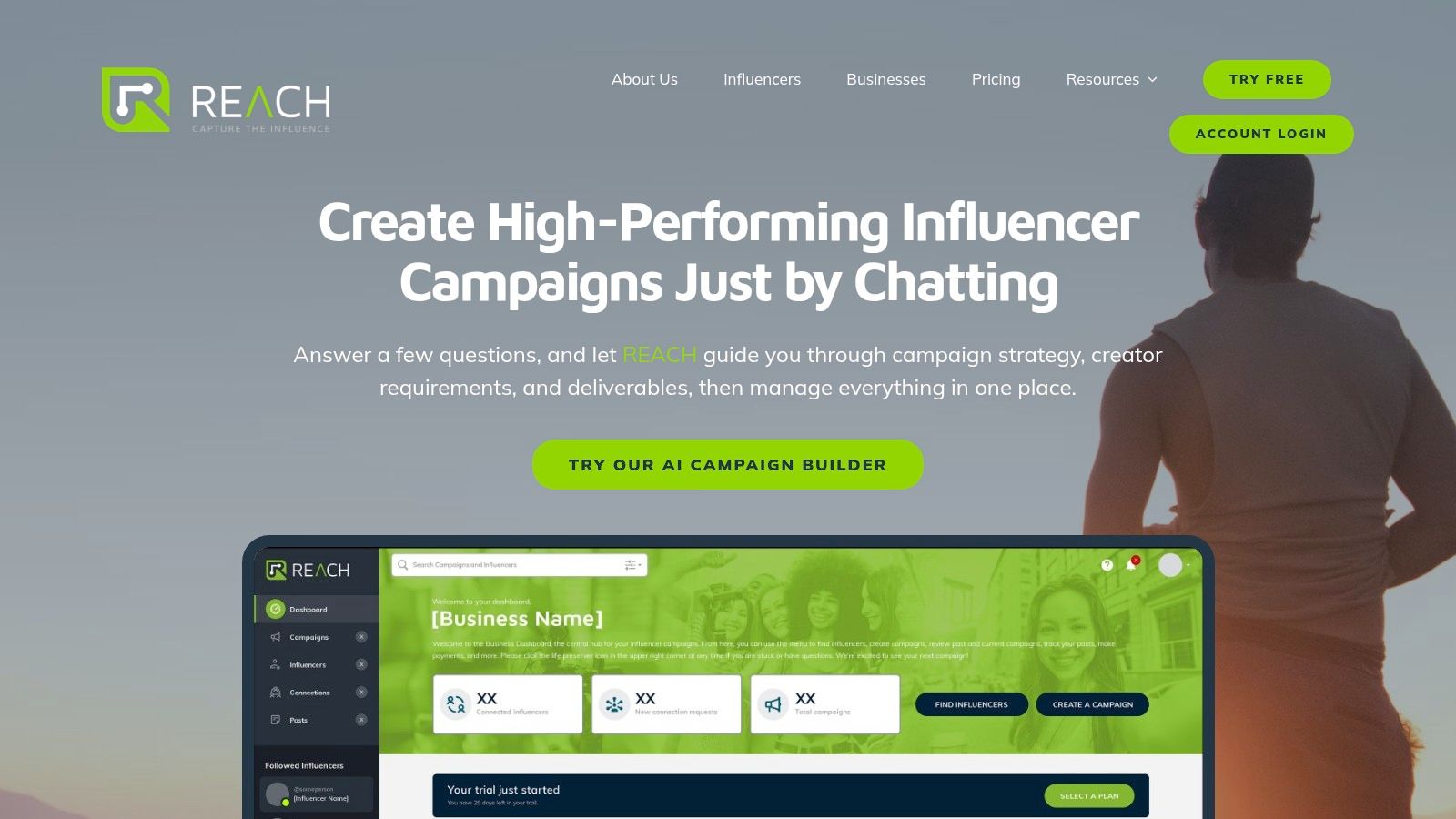
If your current gift for influencers process lives across Google Sheets, Shopify notes, creator DMs, and a half-updated reporting deck, REACH is the cleanest fix on this list. It’s built for teams that need one workspace for discovery, outreach, approvals, tracking, payments, and reporting, instead of a stack of loosely connected tools.
The strongest part of REACH is that it treats gifting like a real campaign type, not a side feature. You can identify creators by niche, location, engagement signals, and audience traits, then move straight into outreach and campaign setup without exporting lists into another system. That’s especially useful when your gifting program depends on matching product to creator fit, not just shipping product to whoever replies first.
For brands comparing options, REACH’s influencer marketing platform page is the best place to see how the workflow is structured.
Why REACH works for gifting
The biggest operational failure in gifting is usually bad matching. Teams send attractive packages to creators who don’t speak to the right buyer, or they pick creators by follower count and ignore audience overlap. REACH’s filtering helps cut that problem down before the first package goes out.
That matters because poor creator-brand fit is a known reason gifting campaigns underperform, and some guidance around gifting still skips over vetting entirely. REACH is much stronger when you want to narrow by audience relevance and campaign suitability instead of running broad seeding and hoping a few posts appear.
Practical rule: If a platform helps you ship faster but doesn’t help you choose better creators, it won’t save your gifting budget.
REACH also handles the workflow after discovery well. You can centralize briefs, approvals, content storage, performance tracking, and live reporting. For agencies, the white-label setup and multi-client management are a serious advantage. For in-house teams, the all-in-one view cuts the amount of internal handoff needed to keep a gifting campaign moving.
Where it stands out
A few capabilities make REACH especially useful when gifting is tied to measurable outcomes instead of awareness alone:
- Discovery with depth: Filters for creator niche, location, engagement, and audience demographics make it easier to build smarter micro-creator lists.
- Campaign building support: The AI Campaign Builder helps shape briefs and deliverables without starting from a blank page.
- Performance visibility: Real-time click tracking and analytics make it easier to connect gifted sends to traffic and downstream actions.
- Agency operations: White-label delivery, unlimited client projects, and live dashboards are built for teams managing multiple brands.
- Payments and compliance: Contracts, payouts, and tax support are already part of the workflow, which removes a lot of cleanup later.
The budget and ROI calculator is also a practical touch. The public site references a sample scenario with a 9% platform fee and estimated impression and revenue outcomes. That won’t replace a proper forecasting model, but it’s better than choosing a platform with no planning framework at all.
Trade-offs to know
REACH isn’t perfect. Public pricing transparency is limited, and the site doesn’t show many independent testimonials or public case studies. For a larger program, I’d ask for a live demo and customer references before committing.
That said, the product direction is right. Gifting campaigns now need tracking, attribution, and operational control. REACH is one of the few tools here that feels designed around that reality instead of treating gifting as free-product admin.
2. Shopify Collabs
A lot of brands overcomplicate influencer gifting too early. They start by chasing bigger creator lists, more filters, and fancier dashboards when the main bottleneck is usually simpler: getting approved product out the door, tracking who received it, and tying any response back to revenue. Shopify Collabs is useful because it starts with that operational reality.
If your store already runs on Shopify, Collabs gives you a practical way to turn product seeding into a repeatable process instead of a string of one-off PR sends. Zero-dollar orders run through the same system your team already uses for products, fulfillment, and shipping updates. That matters more than it sounds. A gifting program breaks fast when marketing promises sends that ops cannot see or prioritize.
Best for brands fixing workflow first
Shopify Collabs works best for Shopify-first teams that want to answer a basic but important question: how do we send products at scale without losing control of inventory, shipping, and follow-up?
The platform handles creator applications, direct invites, affiliate links, discount codes, and commission payouts inside the Shopify environment. That setup will not give you the deepest creator intelligence in this category, but it does make the handoff from outreach to shipment to tracking much cleaner. For smaller DTC teams, that alone can be enough to get a real program off the ground.
It is also a good fit for brands still refining how they package and present gifted sends. If your team is still defining the difference between a sample drop and a polished PR package for influencers, Collabs gives you a simple place to standardize the operational side while you improve the creative side.
The bigger point is strategic. Shopify Collabs is less about deciding what to gift and more about deciding how gifting will run. That includes who can apply, how creators are approved, how products are selected, how shipments are tracked, and whether each send feeds an affiliate or creator relationship you can measure later.
Where it works, and where it does not
I would choose Collabs when speed, catalog control, and low-friction execution matter more than extensive vetting. It is a strong starting point for brands testing a product-seeding plus affiliate model, especially when the goal is to learn which creators can drive content, clicks, or first purchases before adding paid partnerships.
The trade-off is clear. Discovery and qualification are lighter here than in more mature creator platforms. Open applications can create noise, and your team still needs a process for reviewing fit, checking content quality, and spotting creators who want free product but are unlikely to post.
A few practical trade-offs stand out:
- Strong for Shopify-native operations: Product selection, order creation, and fulfillment stay close to your existing workflow.
- Less useful for mixed tech stacks: Brands selling across multiple storefronts or systems may find the setup restrictive.
- Good for measurable seeding: Affiliate links and codes help connect gifts to clicks and sales.
- Limited for deeper relationship management: If your program includes layered approvals, complex reporting, or multi-brand governance, you will likely outgrow it.
For early-stage and mid-sized DTC brands, that is still a fair trade. Shopify Collabs does one job well. It helps you run gifting through the same system that already handles your products and orders, which is often the difference between a program that scales and one that stays stuck in spreadsheets.
3. GRIN
GRIN is for brands that have already moved past casual seeding. If gifting is now tied to creator CRM, repeat sends, approvals, and paid relationships, GRIN fits that more mature setup better than lighter tools.
The big appeal is its e-commerce workflow. You can sync your store catalog and inventory, let creators choose products, fulfill gift orders in platform, and maintain creator histories so the next send is more informed than the last one. For teams sending product repeatedly, that history matters. Nothing makes a brand look more disorganized than asking a creator for their size or preferences over and over.
Better when seeding is a program, not a tactic
GRIN is a strong choice if your gift for influencers strategy is evolving into long-term creator management. The platform covers discovery, relationship management, content coordination, gifting, and payments in one place. That reduces handoffs and helps avoid the “marketing promised it, finance didn’t approve it, ops never shipped it” problem.
This is also where payment automation becomes important. Once gifting turns into hybrids with affiliate commissions or flat fees, manual payout tracking gets messy quickly. REACH has a useful reference point on influencer payment automation tools if you’re comparing how platforms approach that side of the process.
What I like and what I’d question
GRIN has real strengths, especially for established e-commerce brands:
- Catalog-driven gifting: Product sync and creator selection make seeding more scalable.
- Creator memory: Product history and preferences help teams personalize future sends.
- Full creator operations: Discovery, gifting, content, and payments live together.
- Good fit for repeat programs: Better for ongoing seeding than one-off holiday pushes.
The trade-off is cost and complexity. GRIN usually sits in the enterprise conversation, and that won’t make sense for every brand. If all you need is lightweight seeding and affiliate links, it’s probably too much platform.
A second issue is implementation discipline. Platforms like GRIN work best when a team already has a clear gifting process. If your outreach is inconsistent or your product selection rules are loose, software won’t fix that by itself.
4. Upfluence
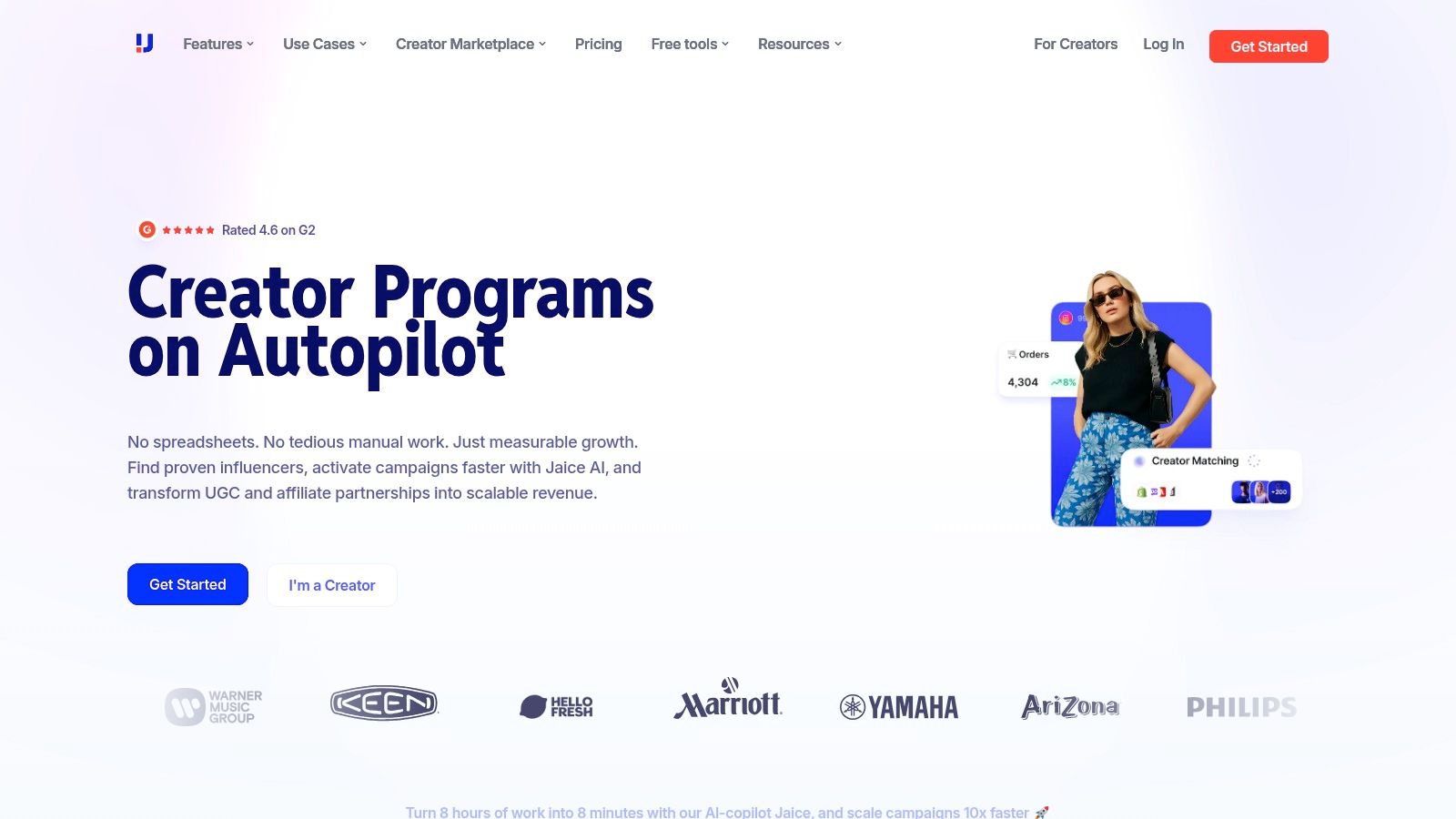
Upfluence is one of the better options when your biggest gifting problem is control. Some teams don’t struggle with discovery. They struggle with over-sending, unclear product limits, and too much back-and-forth just to land on a SKU.
That’s where Upfluence is useful. It lets creators self-select from live inventory, and brands can set rules around what’s available, how many products can be claimed, or the total value of what gets gifted. Those controls matter when you want gifting to scale without letting costs drift.
Good for hybrid compensation
A lot of creator relationships don’t stay “gift only” for long. The useful middle ground is often gift plus fee, or gift plus affiliate upside. Upfluence supports that kind of structure well, which can increase creator acceptance compared with pure seeding.
That matters because many consumers need repeated exposure before they seriously consider a purchase. New holiday-shopping data summarized in the PR Newswire release on influencer gift recommendations says 36% of consumers need two to three promotional exposures before purchase consideration, and 23% of Gen Z need four to five touchpoints. A hybrid model gives brands more room to sequence those touchpoints instead of hoping one gifted post closes the loop.
If you need multiple creator touches to move a buyer, gifting should feed a sequence, not sit alone.
The practical downside
Upfluence can feel heavier than necessary if your gifting workflow is simple. The broader platform includes more than seeding, so smaller teams may find themselves paying for breadth they won’t use right away.
I’d summarize it this way:
- Use Upfluence when governance matters: Product caps and selection rules are useful.
- Use it when creator choice matters: Self-selection reduces email ping-pong.
- Use it when you mix gifts and fees: The hybrid setup is a real strength.
- Skip it if you want minimal complexity: There are easier options for basic seeding.
If your gifting budget keeps getting chewed up by loose approval rules, Upfluence is worth a hard look.
5. Aspire
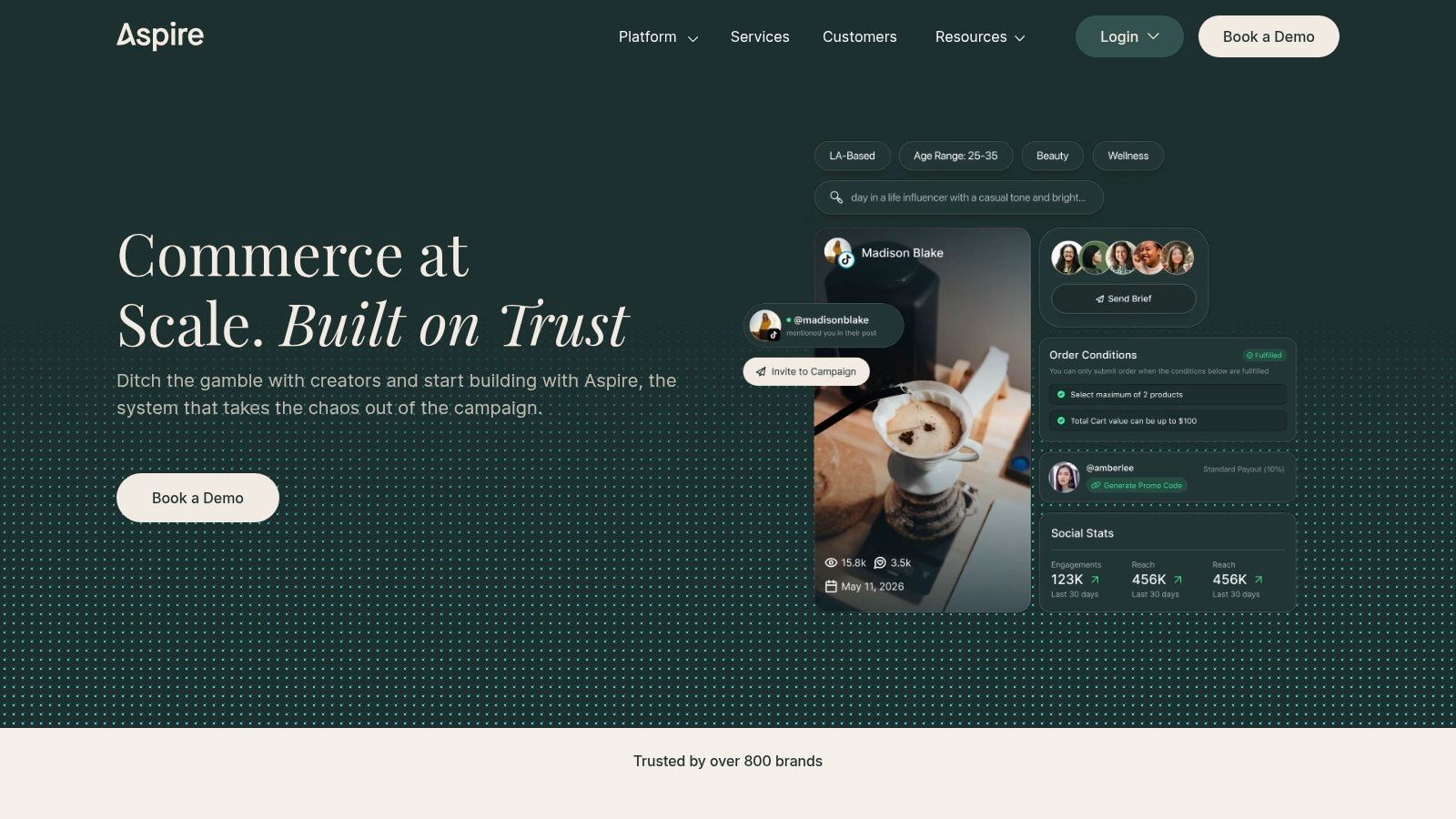
Aspire is one of the smoother platforms for brands that want product seeding tied directly to affiliate and UGC workflows. If you’re building a gift for influencers program that should produce content, creator relationships, and trackable commerce data, Aspire is a sensible fit.
The product seeding flow is polished. You can import your catalog, let creators select items, monitor order status, and connect post-gift performance to affiliate links or codes. That makes it a stronger option than tools that stop at shipping.
Where Aspire fits best
Aspire tends to work well for brands that want marketplace access and structured seeding in the same platform. It’s less of a bare-bones logistics tool and more of a creator growth system.
That matters because gifting works best when it doesn’t stop at awareness. According to 2025 giveaway benchmarks collected by Gift A Feeling’s social giveaway statistics, social media promotions tied to giveaways average 30% to 35% conversion rates, compared with 6% to 7% for standard landing pages. Gifting isn’t identical to a giveaway, but the takeaway is useful. When a product is the hook and the campaign includes a clear conversion path, performance tends to improve.
Aspire is built closer to that model than a simple seeding spreadsheet. It gives brands a way to connect product sends to affiliate activity and content output, which is usually what leadership wants to see.
Trade-offs in the real world
Aspire is good software, but it asks for commitment. Sales-led pricing and onboarding time can make it a lot for a small team that just wants to test seeding with a few creators each month.
A few clear points:
- Great for scale: Better than most when your seeding list gets large.
- Strong affiliate tie-in: Useful when you need gifting tied to measurable revenue.
- Good for UGC-minded brands: Easier to turn sends into usable content assets.
- Less ideal for tiny teams: The suite can be broader than necessary at first.
If your gifting process needs to support content licensing, affiliate tracking, and recurring creator relationships, Aspire has the right shape.
6. impact.com / Creator
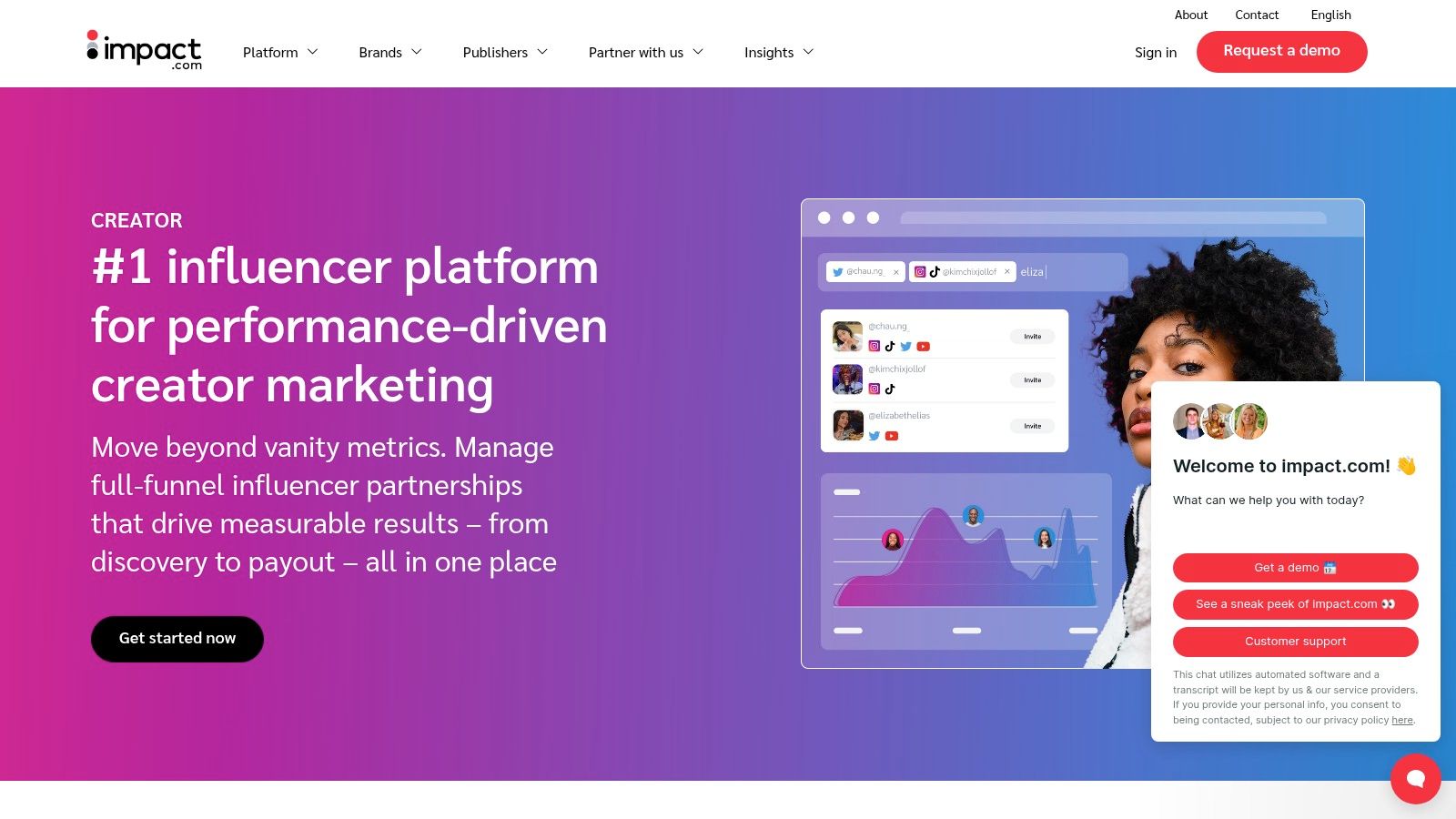
impact.com / Creator is the most structured option here if your partnership team already thinks in rules, governance, and attribution. It’s less charming than some creator-first tools, but it’s very capable when gifting needs to sit inside a broader partnerships engine.
Its Product Gifting feature lets brands sync or upload catalogs, define eligible products, and allow creators to claim gifts under rule-based restrictions. Gift events are tracked as non-revenue actions, which sounds small but is quite useful. It keeps your reporting cleaner and helps teams separate product cost from direct sales events.
Best for partnership-led teams
This platform makes the most sense when gifting is one part of a larger affiliate, creator, or CPA setup. If your team already runs multiple partnership models, having gifting inside the same ecosystem reduces fragmentation.
That aligns with where the market has gone. According to 2025 gifting effectiveness data summarized by Best Colorful Socks’ influencer gifting statistics roundup, 90% of influencer marketers actively run gifting programs, and 76% say gifting campaigns drive direct sales uplift. Those numbers suggest gifting is no longer a side experiment. It’s a standard campaign type. impact.com works well for organizations that want to operationalize it that way.
What to watch out for
This is not the platform I’d choose for a small founder-led brand doing first-time outreach. It’s better for teams that already have process maturity and don’t mind a more formal platform.
- Strong governance: Product restrictions and rule sets are helpful at scale.
- Clear fit with affiliate programs: Great if gifting feeds a bigger performance model.
- Enterprise-ready integrations: Useful for complex e-commerce stacks.
- Less friendly for small teams: The learning curve and structure can be overkill.
There’s also one practical limit. Logistics disputes aren’t handled in-platform, so brands still need to resolve shipping issues directly. For a team with a lot of moving parts, that can become one more operational lane to manage.
7. SARAL
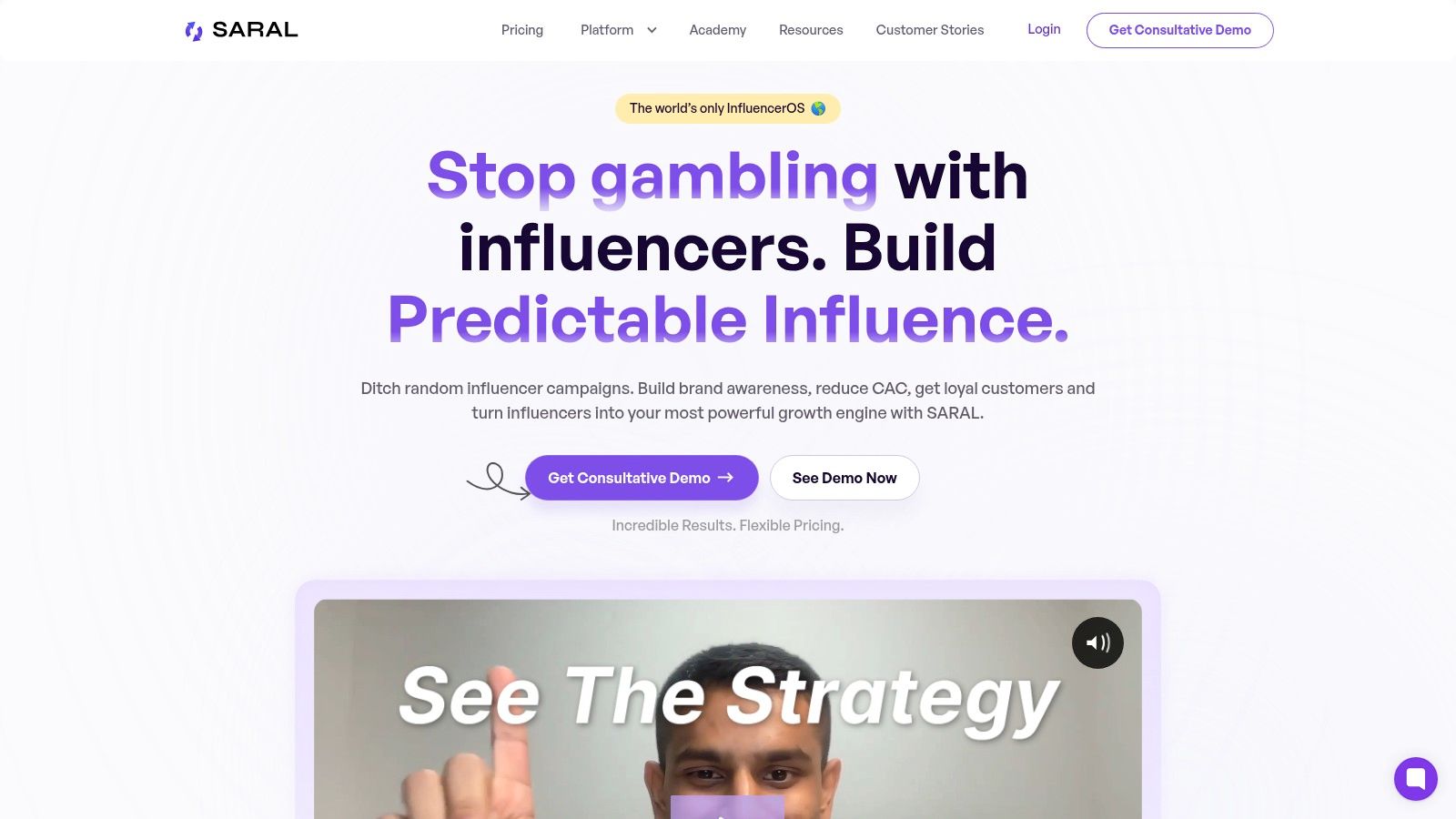
SARAL is the platform I’d point smaller brands toward when they want a gift for influencers workflow without enterprise weight. It’s built for lean teams that need discovery, outreach, relationship tracking, affiliate links, and seeding support in one interface, with public pricing that removes some procurement friction.
That transparency matters. A lot of creator platforms still force a sales process before you can even tell whether the tool belongs in your budget. SARAL is easier to evaluate quickly.
Why smaller teams like it
SARAL’s biggest strength is that it supports the actual day-to-day work of gifting. Outreach automations, relationship management, tracking, and affiliate mechanics all live together, and the platform clearly leans into education around seeding strategy.
That’s useful because measurement is still a weak spot for many teams. One 2025 summary on gifting strategy notes that 68% of marketers report challenges measuring gifting effectiveness, and it argues for adding trackable elements like UTM links or affiliate codes to close that gap, as discussed in BlissLights’ article on gifts for influencers. SARAL’s model lines up with that advice. It pushes gifting closer to an attributable channel instead of a hopeful brand play.
Send fewer packages. Track more of what happens after each one.
The trade-off
SARAL isn’t as deep on shipping and warehouse operations as some e-commerce-first platforms. If your seeding volume is high and fulfillment complexity is your main problem, you may outgrow it.
Still, there’s a lot to like:
- Published pricing: Easier to plan for than most sales-led tools.
- Built for lean teams: Faster to stand up than heavier suites.
- Good education layer: Helpful if your team is still learning gifting discipline.
- Weaker on logistics depth: Better on outreach and relationship flow than warehouse-grade operations.
For SMBs trying to move from random product sends to a cleaner ambassador pipeline, SARAL is a practical option.
Influencer Gifting Platforms, Top 7 Comparison
| Product | Implementation 🔄 (Complexity) | Resources ⚡ (Requirements) | Expected Outcomes 📊 | Ideal Use Cases 💡 | Key Advantages ⭐ |
|---|---|---|---|---|---|
| REACH | Medium, centralized, agency-grade workspace; demo recommended | Moderate, platform onboarding, agency workflows, mobile/desktop access | Centralized campaigns, faster launches, measurable ROI (example: 9% fee, sample impressions) | Agencies or brands needing end-to-end influencer management and multi-client dashboards | Precision discovery, AI campaign builder, payments & tax compliance |
| Shopify Collabs | Low, native app with minimal setup | Low, free to install, uses existing Shopify admin and fulfillment | Simple gifting and affiliate tracking kept in-store; outcomes vary by creator selection | Shopify merchants wanting low-friction gifting and affiliate management | Deep Shopify integration, low overhead, inventory/shipping in one system |
| GRIN | Medium–High, enterprise onboarding and configuration | High, sales-led pricing, dedicated setup and support | Scaled product seeding with relationship mgmt and time savings | Brands needing full-stack creator management and ecommerce-native workflows | Strong e‑commerce workflows, consolidated gifting/discovery/payments |
| Upfluence | Medium, broader platform requires configuration | Medium–High, integrations with multiple e‑commerce platforms | Granular gifting control, reduced over-gifting, supports mixed payouts | Teams needing operational controls, caps, and hybrid compensation models | Operational controls, clear creator selection flow, mixed payout support |
| Aspire | Medium–High, comprehensive suite with onboarding | High, premium tiers, implementation time for full feature set | Scalable sampling tied to affiliate/UGC, robust logistics and reporting | Brands scaling sampling to hundreds/thousands and wanting marketplace access | Built-for-scale logistics, combined seeding + analytics, established case studies |
| impact.com / Creator | High, enterprise-grade rules and configuration | High, enterprise integrations and governance resources | Rule-based gifting tied to partnerships with centralized tracking | Enterprises pairing gifting with affiliate/partnership programs | Strong governance, scalable rule sets, enterprise integrations |
| SARAL | Low–Medium, SMB-friendly, quick to stand up | Low, transparent public pricing and focused onboarding | Faster program launch for lean teams; moves creators toward ambassadors | Small/lean brands seeking clear pricing and playbooks for gifting strategy | Transparent pricing, education/playbooks, strong onboarding/support |
Final Thoughts
Influencer gifting underperforms when brands treat it like a packaging exercise. The results usually come from process quality: who gets the product, how fast the team can ship, what context the outreach includes, and whether anyone can tie that send to content, clicks, codes, or sales.
That is a significant shift. The question is not only what to send. It is how to run gifting in a way that scales past a handful of manual sends and holds up under reporting.
Pick a platform based on the constraint that is slowing your team down. Shopify Collabs fits brands that already operate inside Shopify and want a simple way to send product. GRIN and Aspire make more sense when creator relationship management, content tracking, and ecommerce coordination all need to live in one system. Upfluence and impact.com / Creator suit teams that care about tighter controls around gifting rules, approvals, and mixed compensation models. SARAL is a practical option for lean teams that want straightforward setup, visible pricing, and support building an outreach process.
REACH is the strongest option here because it treats gifting as a channel, not a side feature. That matters once your program grows beyond one-off seeding and starts to look like real acquisition work with creator selection, outreach, fulfillment, follow-up, and measurement all connected.
I have found that gifting programs get better once teams stop asking, “Was the gift impressive?” and start asking three operational questions. Was it a clear fit for the creator? Was it easy for the team to send without manual chaos? Was it measurable after delivery? If the answer to any of those is no, the campaign usually produces nice sentiment and weak business results.
Presentation still matters. Handmade Luxury Birthday Gifts for Her is a useful reference for how thoughtful gifting can feel polished and intentional. In an influencer program, though, thoughtful also means the send was matched well, shipped on time, tracked properly, and followed by the right next step, whether that is affiliate activation, a paid brief, or a second send tied to performance.
The brands that win with a gift for influencers strategy do not just choose better products. They build a better operating model for seeding, attribution, and follow-up.
If you want to turn gifting into a measurable channel instead of a messy side project, REACH is the platform I’d start with. It gives brands and agencies the full workflow in one place, from creator discovery and outreach to approvals, click tracking, reporting, payments, and compliance, so you can launch faster and prove what your gifting program is doing.