 Skip to content

Meta description: Learn what does PR package stand for, how brands use PR packages to earn organic coverage, and how to measure ROI with practical influencer gifting tactics.
You have probably seen the pattern.
A creator opens a box on camera, reacts in real time, pulls out a product, shows the packaging, reads a note, and suddenly your category feels more interesting than it did in a static ad. For a brand manager, that moment raises a practical question. What does PR package stand for, and how do you turn it into something that drives measurable business value instead of random gifting?
That distinction matters. Many teams understand the front end of a PR package. Fewer teams build the back end. They know how to ship a box, but not how to choose recipients, shape the ask, or track what came back.
The strongest programs treat gifting like campaign infrastructure. The package starts the conversation, but the value comes from fit, timing, follow-up, and measurement. That is where brands separate expensive mailers from repeatable influencer marketing.
The Power of the Unboxing Experience
A skincare brand launches a new serum. The product is solid, the creative is polished, and the paid ads are ready. Then the team notices something else driving attention in the category. Not polished ad units, but creators opening boxes at their kitchen counters and talking through first impressions.
That is usually where PR packaging enters the picture.
A PR package stands for public relations package. It is a curated collection of branded products and promotional materials sent to influencers and media professionals to generate organic buzz. In major markets like the US and UK, this works because buying behavior often follows trusted creator recommendations. 49% of consumers rely on influencer recommendations for purchase decisions, according to this PR package definition and influencer recommendation overview.
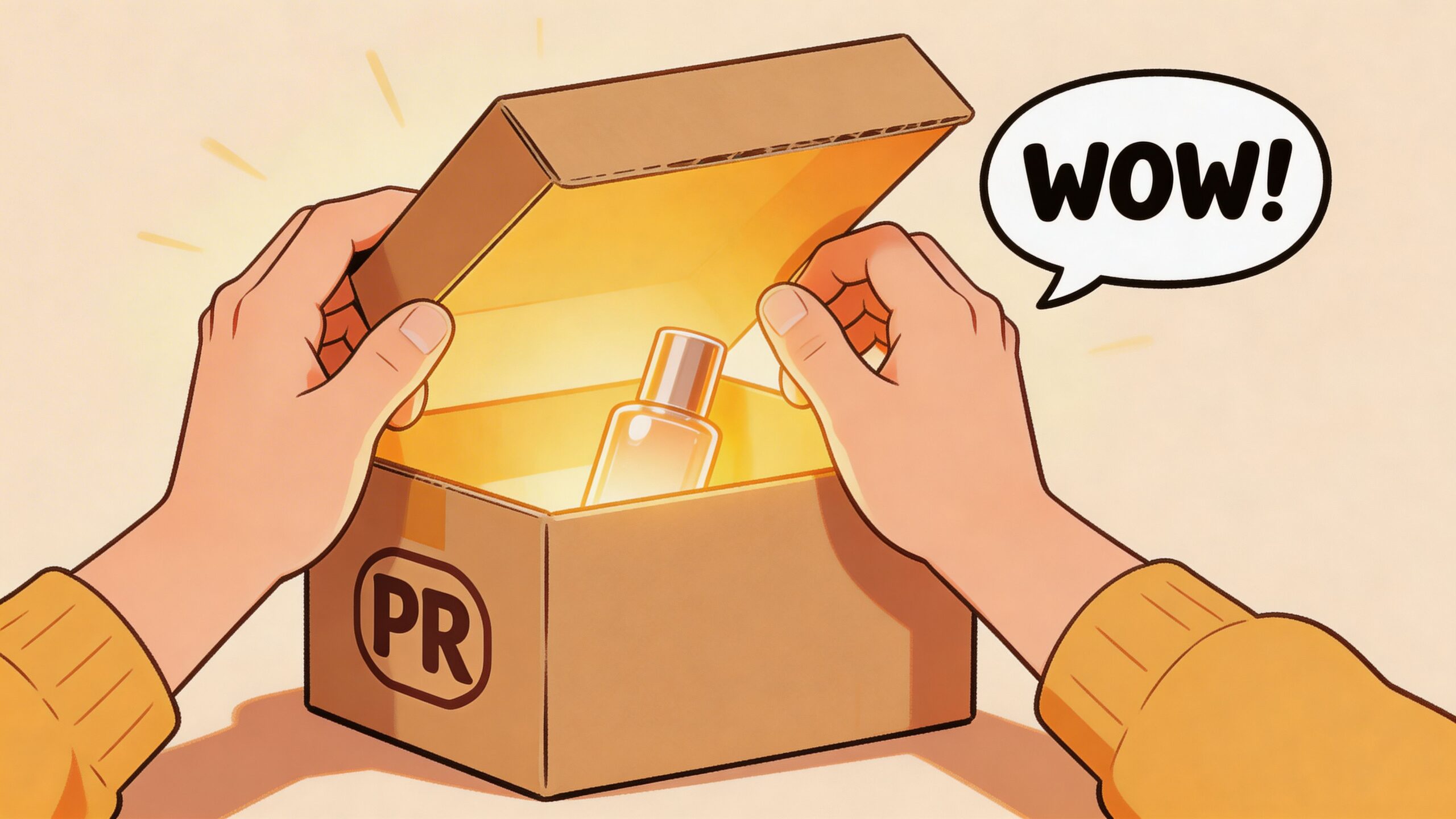
The unboxing moment matters because it combines product, packaging, and reaction in one piece of content. It can feel spontaneous even when the brand has clearly thought through every detail. That blend is hard for a standard ad to replicate.
Why unboxing still works
Unboxing content gives creators material to talk about without forcing a script. They can show texture, reveal, surprise, and context in a natural sequence.
Brand teams often get this wrong in one of two ways:
- They send too little: The package feels generic, with no story or reason to share it.
- They send too much: The box becomes a prop budget with no clear product focus.
A strong PR package does one job well. It makes the creator want to open it, understand it, and talk about it in their own voice.
That is why the question "what does pr package stand for" is only the starting point. The better question is what the package is supposed to produce once it lands.
What a PR Package Stands For
At the basic level, PR package means public relations package. In practice, brand teams also use nearby terms like press package, media mailer, gifting box, and promotional package.
They overlap, but they are not always identical.
A press package often leans more editorial. It may include brand information, images, product details, and materials designed for journalists or editors. A promotional package can be broader and more sales-driven. A PR package usually sits in the middle. It is designed to spark attention, conversation, and earned coverage.
Think relationship, not transaction
The fastest way to understand a PR package is this. It is not a job offer. It is a conversation starter.
A paid partnership says, “Here is the deliverable.” A PR package says, “Here is something relevant and thoughtful. If it fits your audience, we would love to see how you use it.”
That difference changes how brands should behave.
| Approach | What it signals | Likely outcome |
|---|---|---|
| Transaction-first gifting | “Post this for us” | Resistance, low enthusiasm, or no post |
| Relationship-first gifting | “We picked this for you because it fits” | Better chance of authentic coverage |
| Editorial support without pressure | “Here are the details if you want them” | Easier content creation and cleaner storytelling |
What brands often misunderstand
Many teams assume sending product is the strategy. It is not.
The strategy is deciding:
- Who gets the package
- Why they are receiving it
- What story the package supports
- What signals success after delivery
If you skip those questions, the package becomes expensive inventory movement.
If you answer them well, the package can open creator relationships, seed launches, support earned media, and surface user-generated content you can build on later. That is why the phrase matters. Public relations is the core idea. The package is just the vehicle.
The best PR packages earn attention. They do not try to force it.
Anatomy of a High-Impact PR Package
The difference between a box that gets posted and a box that gets ignored usually comes down to curation. Product alone is rarely enough.
Personalization is the strongest lever. Personalized packages generate 4x more unboxing videos and social shares, according to Boston University PRLab’s review of PR package effectiveness. The same source highlights Fenty Beauty’s launch approach. In 2017, the brand sent 2,000+ personalized PR packages, generating 90 million Instagram views and $72 million in first-month sales through the campaign discussed in this analysis of personalized PR package performance.
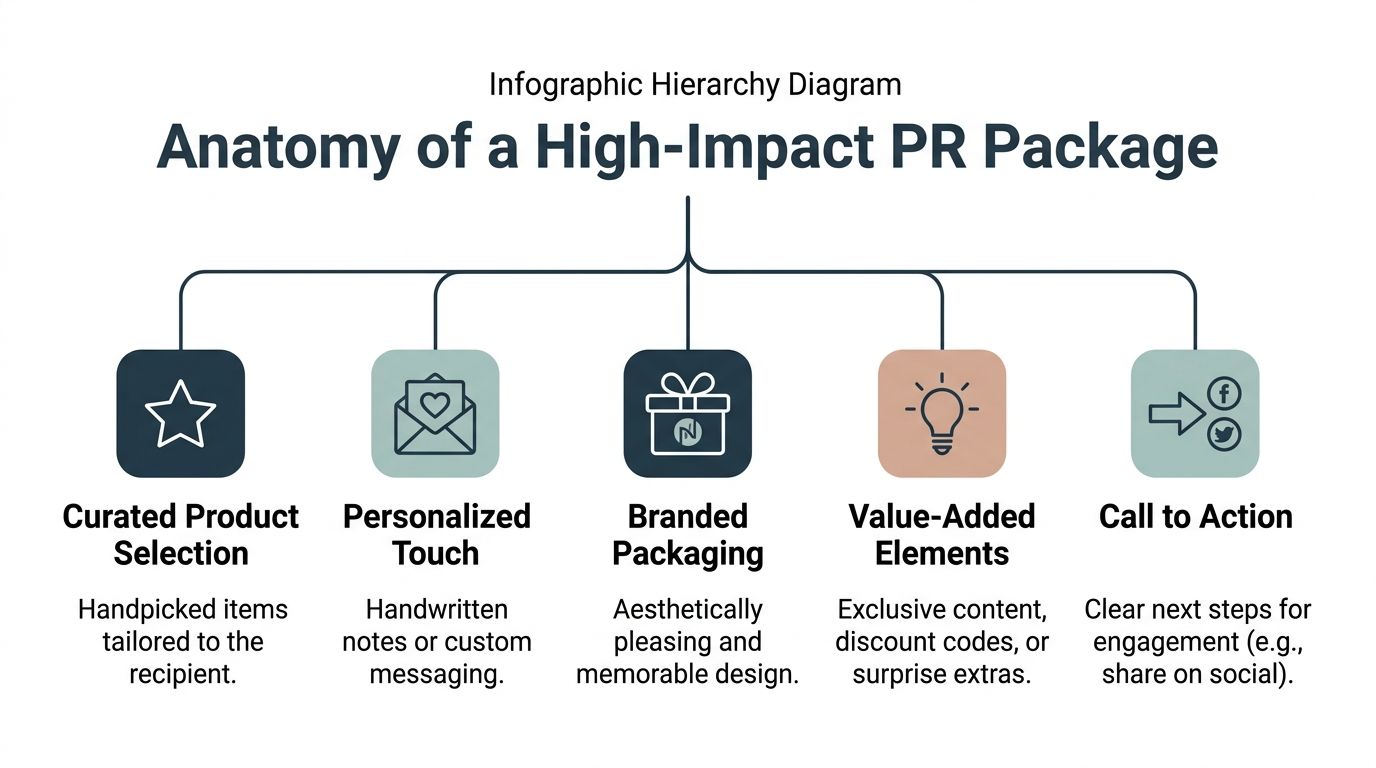
The five parts that drive results
Curated product selection
Start with relevance. Send the product variant, shade, size, flavor, or bundle that fits the recipient.
A beauty creator should not need to explain why the shade is wrong. A fitness creator should not receive a lifestyle assortment with no use case. Relevance is the first sign that the brand paid attention.
Personalized touch
A note matters when it proves the package was chosen for a specific person.
This does not mean fake intimacy. It means practical specificity. Mention the creator’s niche, why the item fits, or what launch angle may interest their audience.
Branded packaging
Packaging should be visually coherent and easy to open on camera. It should support the product, not overwhelm it.
For teams looking at physical presentation ideas outside traditional influencer mailers, resources like these corporate gift baskets can be useful for studying how curation, arrangement, and presentation shape perceived value.
Value-added elements
Value-added elements make many strong packages memorable. Add-ons can include:
- Exclusive context: Product story, founder insight, or launch angle
- Useful assets: Lookbook, ingredient card, or styling guide
- Surprise item: A thoughtful extra that supports the main product rather than distracting from it
Clear call to action
The call to action should be light, not demanding. Give creators a simple path if they want to share.
Examples include:
- A campaign hashtag
- A QR code to product details
- A short prompt on what is new or limited
What does not work
Overdesigned boxes often miss the point. So do generic inserts copied across dozens of recipients.
The creator should immediately understand three things:
- what the product is,
- why it was sent to them,
- and what makes it worth mentioning.
If any of that is fuzzy, the package creates friction instead of momentum.
PR Package Strategies That Drive Results
A good PR package is never just a box. It is a delivery mechanism for a specific campaign goal.
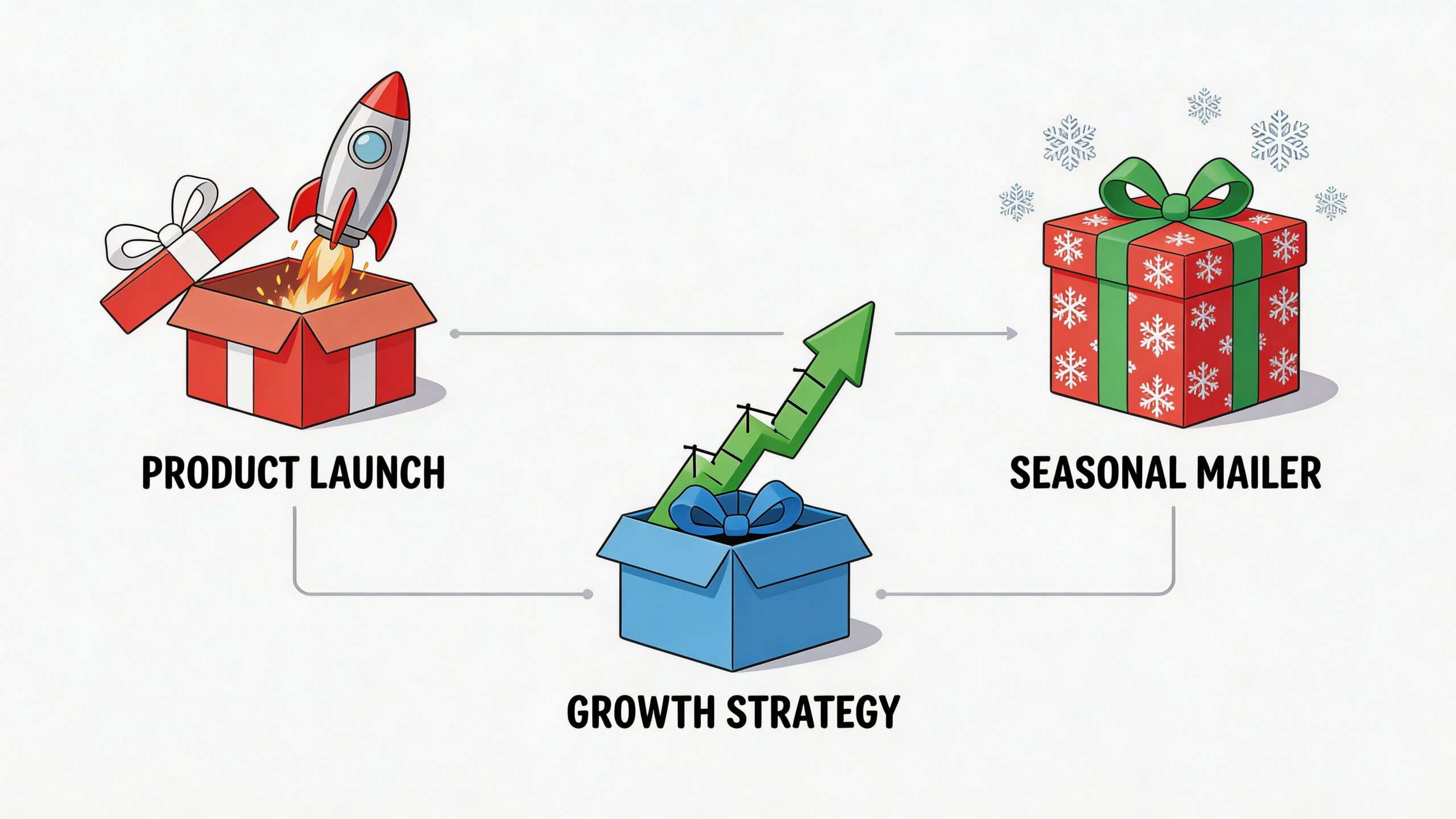
The strongest brand teams choose the format based on timing, audience, and the kind of coverage they want to generate. Physical PR packages curated to influencer preferences can drive 2-4x organic reach amplification, and benchmarks show a $5-15 ROI per $100 package spend. The same guidance notes that brands can target micro-influencers under 50k followers, who deliver up to 6x higher engagement than macro-influencers, in this guide to PR package targeting and ROI benchmarks.
Product launch seeding
This is the classic use case. A new item is about to hit the market, and the brand wants organic posts to appear around launch week.
This works best when the package gives the creator enough context to explain why the launch matters. Beauty brands do this well because creators can test, swatch, compare, and react quickly.
Seasonal and cultural mailers
Holiday kits, summer bundles, back-to-school edits, and event-based drops can all work. The trap is forcing a seasonal theme that overtakes the product.
A food or beverage brand has to think especially hard about visual consistency here. Packaging is often part of the story itself, which is why brand teams sometimes review references like this breakdown of food packaging branding before building seasonal mailers.
Tiered influencer gifting
Not every creator should receive the same package.
A practical model looks like this:
| Recipient type | Package style | Reason |
|---|---|---|
| Micro creators | Highly personalized core kit | Strong fit and stronger engagement potential |
| Mid-tier creators | Product plus story assets | Balance of scale and authenticity |
| Press and editors | Cleaner informational presentation | Faster editorial understanding |
If your team is trying to strengthen creator fit before shipping, this article on authentic influencer collaborations is useful because it reinforces the same operational point. Relevance beats volume.
Digital variants for certain categories
Physical mailers get most of the attention, but digital PR packages can be more practical in categories like gaming, software, and entertainment. A game studio may send early-access keys, trailers, screenshots, and creator guidance instead of a physical box.
This is worth seeing in action from a campaign mindset perspective.
The key trade-off is simple. Physical packages create more tactile, camera-friendly moments. Digital packages remove shipping friction and help creators publish faster. The best choice depends on what your audience needs to see and what the creator needs to make content easily.
How to Measure the ROI of Your PR Package Campaigns
Most PR package advice stops at assembly. That is the easy part.
The hard part is proving the campaign worked.
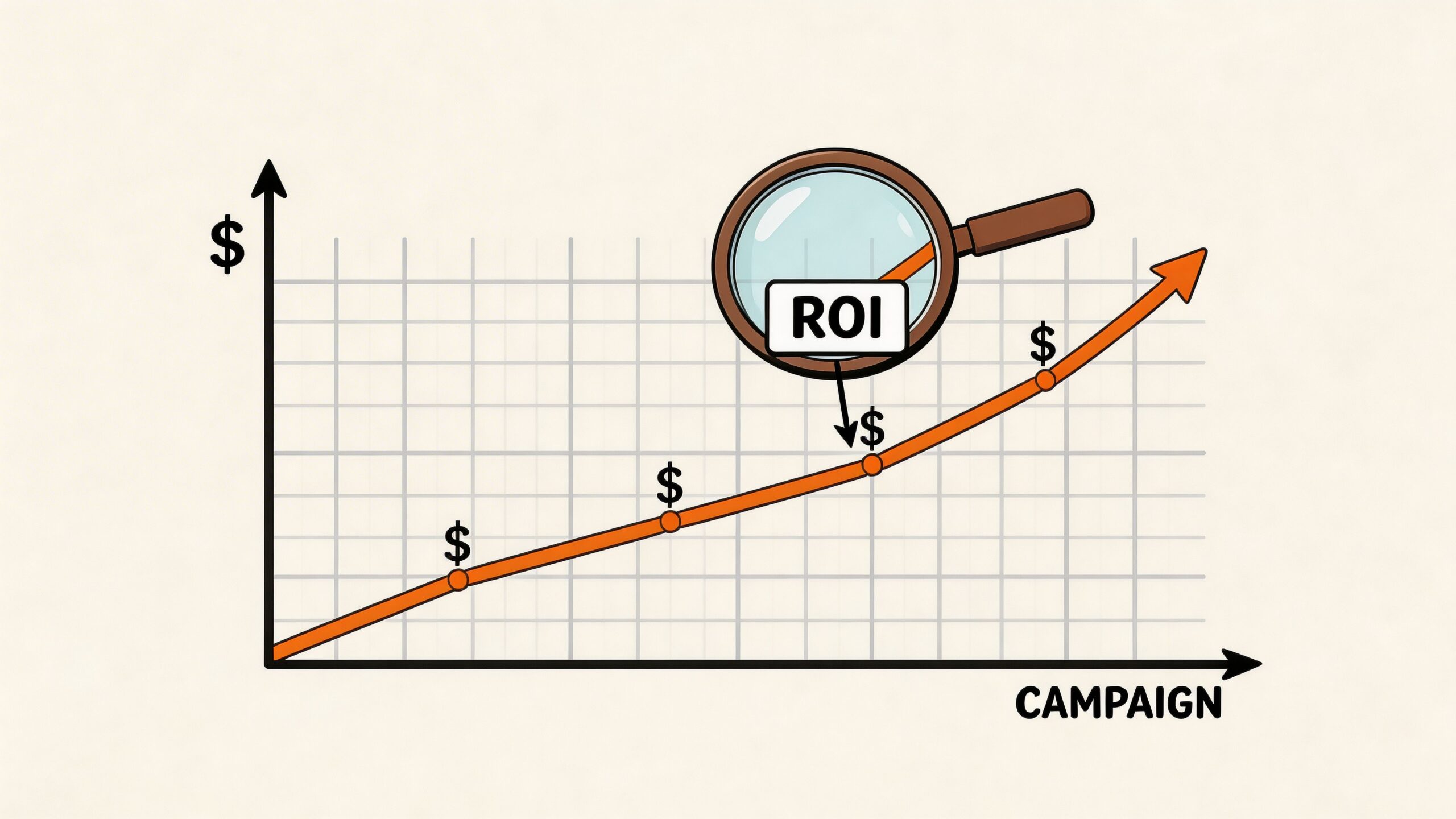
Measurement is the gap that trips up a lot of brands. A 2025 report found that PR seeding can yield 5.2x higher Earned Media Value than paid posts, but 62% of brands lack the tools to track it. That tracking gap is one reason many SMBs stop investing in influencer gifting, according to this review of PR package measurement challenges.
The KPIs that matter
Do not judge a gifting campaign on posts alone. A package can create value in multiple places.
Track signals like:
Earned Media Value
This helps estimate the value of organic exposure generated by creator content.Content volume and quality
Count mentions, stories, reels, reviews, and repostable assets. Then assess whether the content is usable.Traffic and clicks
Use trackable links, creator codes, landing pages, or tagged QR paths when relevant.Relationship progression
Some packages do not convert immediately, but they open the door to later paid work, affiliate partnerships, or ambassador programs.
What good measurement looks like
A smart workflow connects shipment, creator, content, and outcome in one place. At minimum, your team should be able to answer:
- Which recipients received the package
- Which recipients posted
- What content they created
- Whether that content drove traffic, conversions, or usable media assets
Without that chain, gifting remains anecdotal.
If you cannot connect a package to coverage, clicks, or creator progression, you are not running a PR program. You are mailing products and hoping for the best.
Avoid vanity reporting
A beautiful recap deck can hide weak execution.
Views are useful, but only if they connect to a larger business question. Did the package support launch awareness? Did it generate creator content the paid team can reuse? Did it lead to stronger partnerships?
For teams building a more rigorous reporting model, this guide to measuring influencer marketing ROI is a good operational reference because it pushes beyond soft engagement metrics and into attributable performance.
The practical shift is this. Treat each package as a trackable campaign unit, not as a gift. Once you do that, budget decisions become easier.
From Gift Box to Growth Engine
So, what does pr package stand for?
It stands for public relations package, but the more useful answer is this. It stands for an earned attention strategy that only works when the packaging, recipient choice, message, and reporting all line up.
Brand teams get better results when they stop treating PR gifting like a one-off creative exercise. The box is not the campaign. It is the opening move. The campaign is the system around it.
That system includes better creator selection, stronger personalization, simpler content prompts, and disciplined measurement. Teams that combine creator gifting with broader content workflows tend to get more out of every asset. In this context, a practical playbook like using UGC and influencer content together becomes valuable. It helps turn one unboxing moment into a wider content engine.
Frequently Asked Questions About PR Packages
Do influencers have to post if they receive a PR package
No. A PR package is generally sent without a contractual posting obligation. If you want guaranteed deliverables, that becomes a paid partnership and should be handled as such.
How much should a brand spend on a PR package
Budget depends on product value, shipping cost, packaging needs, and recipient tier. The mistake is not spending too little or too much by itself. The mistake is spending without clear recipient criteria and success metrics.
Should every PR package be highly customized
No. Full customization for every recipient can become operationally messy. Most brands do better with a flexible core kit plus selected personalization for the right creators.
What should you include besides the product
Include only what helps the recipient understand and share the product. A short note, a clear product explainer, and a light call to action usually do more work than bulky filler items.
How do you get influencer mailing information
Ask directly through professional outreach, creator forms, talent managers, or existing relationship channels. Do not scrape private information or handle shipping details casually. Treat data privacy and consent like part of campaign operations.
Do creators need to disclose PR gifts
In many cases, yes. Disclosure rules vary by market, and creators should follow local advertising and consumer protection guidance. Brands should make expectations clear and encourage proper disclosure when products are gifted.
If you want to move from ad hoc gifting to a system you can scale, explore REACH. It helps brands, agencies, and creators manage influencer discovery, outreach, campaign workflows, performance tracking, payments, and reporting in one place. That makes it easier to turn a PR package from a hopeful send into a measurable campaign.