 Skip to content

Want to land sponsorships on Instagram? It all starts with building a professional presence that makes brands see you as a smart investment. This means getting crystal clear on your niche, writing a bio that grabs attention, and curating a high-quality, consistent feed that shows you mean business.
Build a Brand That Sponsors Want to Hire
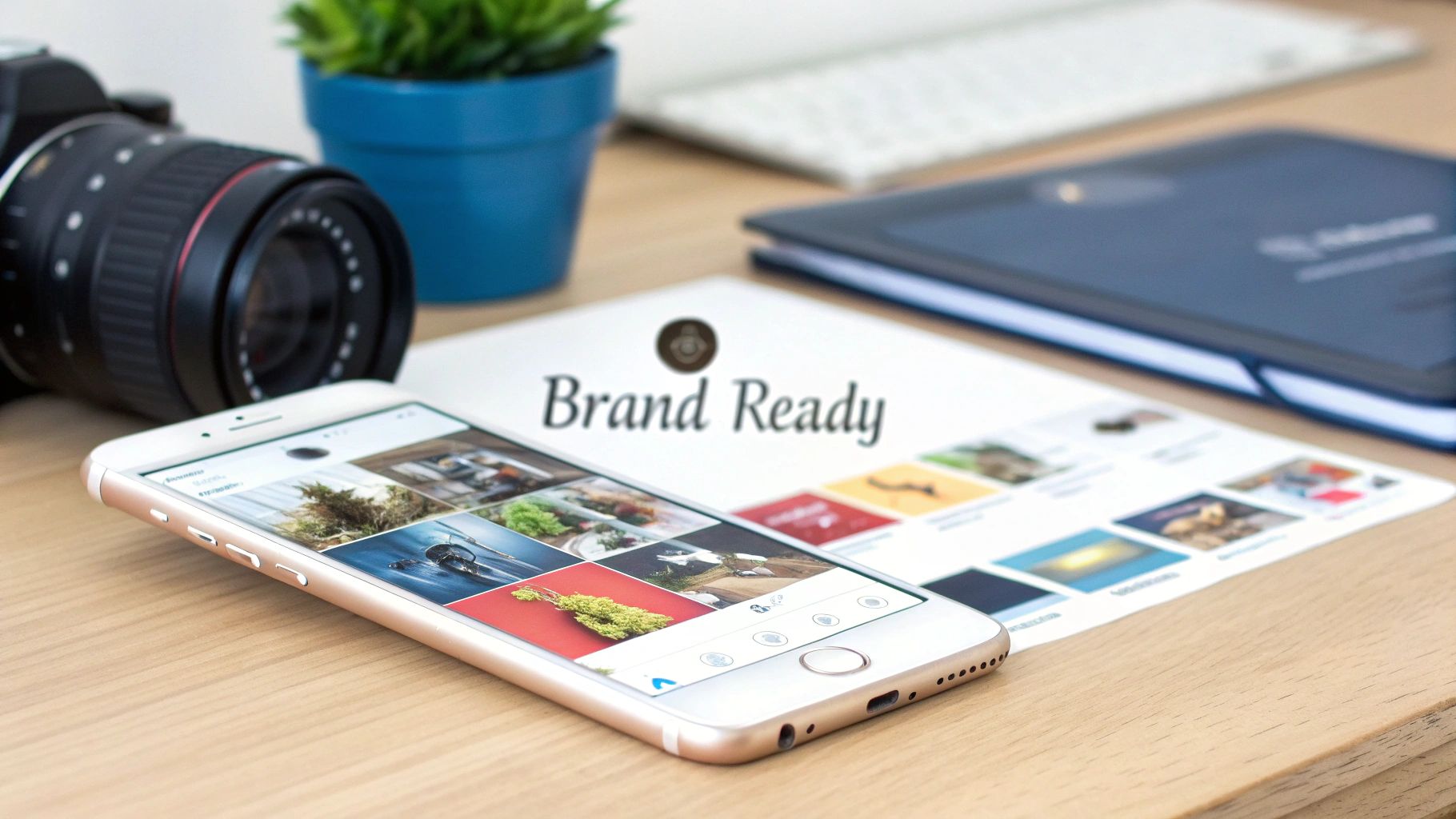
Before you even think about pitching a brand, you need to see your Instagram profile as your digital resume. Put yourself in a sponsor's shoes for a second. They’re looking for reliable, professional partners who can genuinely connect with their ideal customers.
First things first: switch to a Creator or Business account. This is non-negotiable. It unlocks the backend analytics you absolutely need—like audience demographics and post performance—which is the exact data sponsors will want to see.
Define Your Marketable Niche
A tight, specific niche is what makes you memorable and valuable. Don't just be another "lifestyle" creator. Get specific. Are you a vegan home cook in Austin? Or maybe a budget-friendly travel hacker exploring Southeast Asia? The more dialed-in your niche, the easier it is for the right brands to see you as a perfect fit.
This focus also helps you build a genuinely engaged community, which is way more attractive to sponsors than a huge following of passive scrollers. The influencer market is shifting, with brands now prioritizing creators who have real influence. In fact, micro and nano influencers now make up about 75.9% of the market—proof that high engagement often beats a massive follower count every time.
Your bio is your 30-second elevator pitch. It needs to instantly tell visitors who you are, what you're about, and who you're for. Make sure to sprinkle in keywords for your niche and include a clear way for brands to get in touch.
Before you start reaching out, give your profile a quick audit to make sure it's truly ready for sponsors.
Your Sponsorship Readiness Checklist
Use this quick checklist to see if your profile is ready for prime time.
| Element | What to Check | Why It Matters for Sponsors |
|---|---|---|
| Account Type | Is it a Creator or Business account? | Sponsors need to see your analytics (reach, impressions, audience data), which are only available with these account types. |
| Profile Photo | Is it a clear, high-quality headshot or logo? | A professional photo builds trust and makes your brand look legitimate. |
| Bio & Niche | Does your bio clearly state your niche in 1-2 sentences? | Brands can tell at a glance if you're a potential fit for their target audience. No guesswork needed. |
| Contact Info | Do you have a professional email listed in your bio or contact buttons? | This shows you're open for business and makes it incredibly easy for brands to reach out directly. |
| Content Quality | Are your photos/videos high-resolution and well-lit? | High-quality visuals signal professionalism and show that you care about the content you produce. |
| Feed Consistency | Do your last 9-12 posts tell a cohesive story? | Sponsors look for a consistent aesthetic and theme to ensure your vibe aligns with their brand's. |
Once you've checked these boxes, you’ve built a strong foundation. This makes the process of actually securing those sponsorships so much smoother.
If you want to dig deeper, you can find more tips in our guide on how to build a killer Instagram profile.
Create Content That Brands Can't Ignore
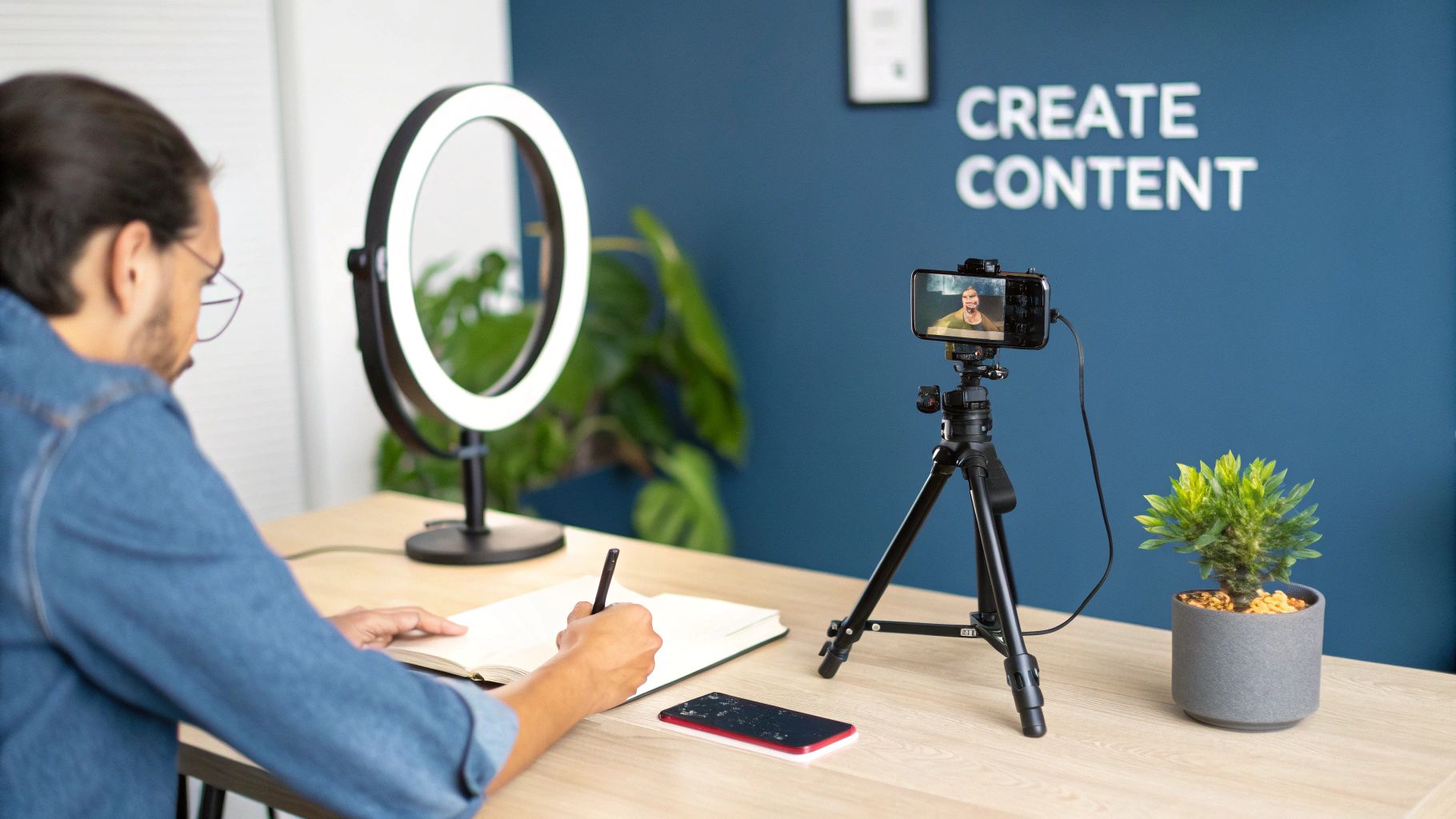
When a brand sponsors you, they aren't just buying a single post. They're investing in your unique ability to connect with an audience in a way that feels real. Your content is your resume, showing them exactly what you can do.
Think of it from a brand manager's perspective. They want to see a creator who is both professional and reliable. That means posting consistently without letting the quality slip. A good target to shoot for is 3-5 high-value posts per week. Try mixing it up with Reels, carousels, and striking static images to keep your feed fresh and dynamic.
Prove Your Worth with Real Engagement
Here's something a lot of creators get wrong: your content needs to do more than just exist—it needs to spark genuine interaction. A picture of a product is just an ad. But a story showing how that product solves a real problem or makes your life better? That’s what gets people talking.
Interactive formats are gold here. For instance, learning how to livestream on Instagram lets you connect directly with your followers in real-time, which is incredibly appealing to potential sponsors.
Key Takeaway: The sweet spot is making sponsored content feel less like an ad and more like a genuine recommendation from a friend. When you nail that, it’s a win for the brand, and it keeps things authentic for your audience.
At the end of the day, brands need to see that your followers actually listen to what you have to say. Solid analytics are your best friend here. A healthy engagement rate on Instagram is often way more persuasive than just having a huge follower count. It’s the proof in the pudding.
Find and Vet Your Ideal Brand Partners
Getting the right sponsorship is all about finding a genuine match. Don't just chase the biggest names out there; that’s a rookie mistake and a huge waste of time if they don't fit your niche.
Start by paying attention to what your community is already talking about. What companies do your most engaged followers already love and tag? This is your goldmine—it points you directly to brands that are a natural fit for your audience.
Another smart move? Look at the competitors of brands you already love. Maybe a big-name company feels out of reach, but a smaller, scrappier competitor might be actively looking for creators just like you to help them grow. Make a list and start following them to get a feel for their vibe.
Find Brands That Are Ready to Invest
The easiest way to find potential sponsors is to look for brands that are already spending money on creators. This tells you two crucial things: they have a budget, and they see the value in what you do. Keep an eye out for posts with the "Paid Partnership" label or hashtags like #ad or #[brand]partner.
Here are a few practical ways to do this:
- Watch creators in your space: See who is sponsoring influencers similar to you. This is a clear sign they’re interested in your niche.
- Explore influencer platforms: Marketplaces are designed to connect creators with brands looking for collaborations.
- Go straight to the source: Check the Instagram pages of brands you admire. Many announce ambassador programs right on their profiles.
Before you even think about sending a pitch, do a deep dive into the brand's values. A partnership that feels forced will stick out like a sore thumb and can seriously damage the trust you’ve built with your audience—and that trust is everything.
The opportunity here is massive. Brands are moving serious money away from traditional ads and pouring it into creator-led content. In the United States alone, influencer sponsorship spending is expected to reach $10.52 billion.
This proves companies aren't just open to this—they're actively looking for authentic voices like yours. You can learn more about these influencer marketing trends and see just how big this market is getting.
Craft a Pitch That Gets a Response
Think of your first message to a brand—whether it's a DM or an email—as your one and only audition. A generic, copy-and-paste pitch is the fastest way to get your message deleted. If you want to get a real response, you have to show them you've done your homework.
So, how do you stand out? Start by getting personal. Hunt down the marketing manager's name on LinkedIn and use it. Mention a specific campaign they recently ran that you loved, or talk about why you're a genuine fan of their products. This small touch proves you’re not just blasting a template to a hundred different companies. It immediately shows you're serious.
Showcase Your Value with a Media Kit
This is where you make your professional case. Your media kit is your influencer resume, and it’s non-negotiable if you want brands to take you seriously. Don't make them dig around for your stats; lay everything out for them in a clean, professional document. If you're starting from scratch, you can find great tools to help you create a compelling media kit that looks polished.
Here’s a quick rundown of what every solid media kit needs to include. Think of it as your highlight reel, designed to give a brand manager everything they need at a glance.
Essential Media Kit Components
| Component | Content to Include | Purpose |
|---|---|---|
| Key Analytics | Your engagement rate, average reach, impressions, and follower growth. | Provides hard data to prove your account's performance and impact. |
| Audience Demographics | Key follower data like age, gender, top locations, and interests. | Shows brands if your audience aligns with their target customer. |
| Past Collaborations | Links, screenshots, and results from previous brand partnerships. | Acts as social proof and showcases your experience and quality of work. |
| Services & Rates | A clear menu of what you offer (e.g., a post, a Story series) and your starting prices. | Sets clear expectations and positions you as a professional. |
Including these elements makes it easy for a brand to say "yes" because you've already answered all their initial questions.
Knowing your worth is key. Your rates should be based on your value and performance. As a benchmark, nano-influencers with killer engagement can often charge $10 to $100 per post, while micro-influencers might pull in $100 to $500. Having these numbers in mind helps you price your work with confidence.
Finally, don't be afraid to send a follow-up. A week after your first email, a quick, polite check-in can work wonders. It just might be the nudge a busy marketing manager needs. If you're looking for some solid examples to get you started, check out these helpful outreach templates.
https://reach-influencers.com/influencer-outreach-email-templates/
Time to Talk Business: Nailing the Negotiation

Landing the pitch feels great, but now the real work begins. You're not just a creator; you're a business owner. It's time to negotiate your terms and manage the partnership professionally.
Don't undersell yourself. When it's time to talk money, state your rates with confidence. You’ve done the work to build an engaged audience, so base your pricing on solid data: your engagement rates, audience demographics, and exactly what you'll be delivering for the brand.
Get Crystal Clear on Deliverables
Before you even think about shooting content, you need to define exactly what the brand is getting. This goes way beyond just a "couple of posts." Get granular and iron out the details.
Your agreement should clearly outline:
- Content Mix: The specific number of in-feed posts, Reels, and individual Story slides.
- Brand Messaging: Are there certain phrases, hashtags, or calls-to-action that must be included?
- The Approval Flow: How will the brand review content? How many rounds of edits are you offering before the content is finalized?
Get It In Writing—Always
I can't stress this enough: always, always get a contract. A formal, signed agreement is your best friend. It protects you, protects the brand, and prevents any "he said, she said" drama later on.
Make sure the contract clearly states payment terms, deadlines, and—this is a big one—content usage rights. This section spells out how the brand can use your photos and videos after your campaign is over. Can they use it on their website? In paid ads? For how long? Don't leave this to chance.
Crucial Tip: A handshake or an email confirmation is not a contract. Never start creating content until you have a legally binding agreement signed by both parties.
Once the campaign wraps up, send the brand a simple report. Show them the key stats like reach, impressions, and engagement. This small step shows you’re a pro, proves your worth, and makes them far more likely to hire you again.
Still Have Questions About Instagram Sponsorships?
You're not alone. When you're just starting to figure out sponsorships, a few common questions always seem to pop up. Let's clear the air so you can move forward with confidence.
What's the Magic Number of Followers for a Sponsorship?
Honestly, there isn't one. The old days of chasing massive follower counts are over. Today, brands are laser-focused on engagement, not just vanity metrics.
That’s why nano-influencers, creators with 1,000 to 10,000 followers, are landing so many deals. Their communities are often tight-knit, super engaged, and incredibly valuable to brands trying to reach a specific niche. So, stop worrying about the number and start focusing on building a real community.
Should I Work for Free Products or Hold Out for Cash?
This really depends on where you are in your career. When you're new to the game, accepting a product-only deal can be a smart move. Think of it as building your portfolio—it gives you experience and content to show other brands what you can do.
But don't get stuck there. Once you have a few collaborations under your belt, it's time to get paid for your creative work and the access you provide to your audience. If a brand has a budget for marketing (and they almost always do), you should have a piece of it.
A Quick Word on Rejection: Hearing "no" is just part of the pitching process. Don't let it get you down. Sometimes the timing is off, or their budget for the quarter is already spent. A "no" right now doesn't mean "no forever."
Ready to stop guessing and start connecting with brands that get it? REACH is built to make finding the right sponsorship simple. Find your next brand deal on REACH.